Business
Maserati unveils updated lineup as Stellantis plans luxury reset
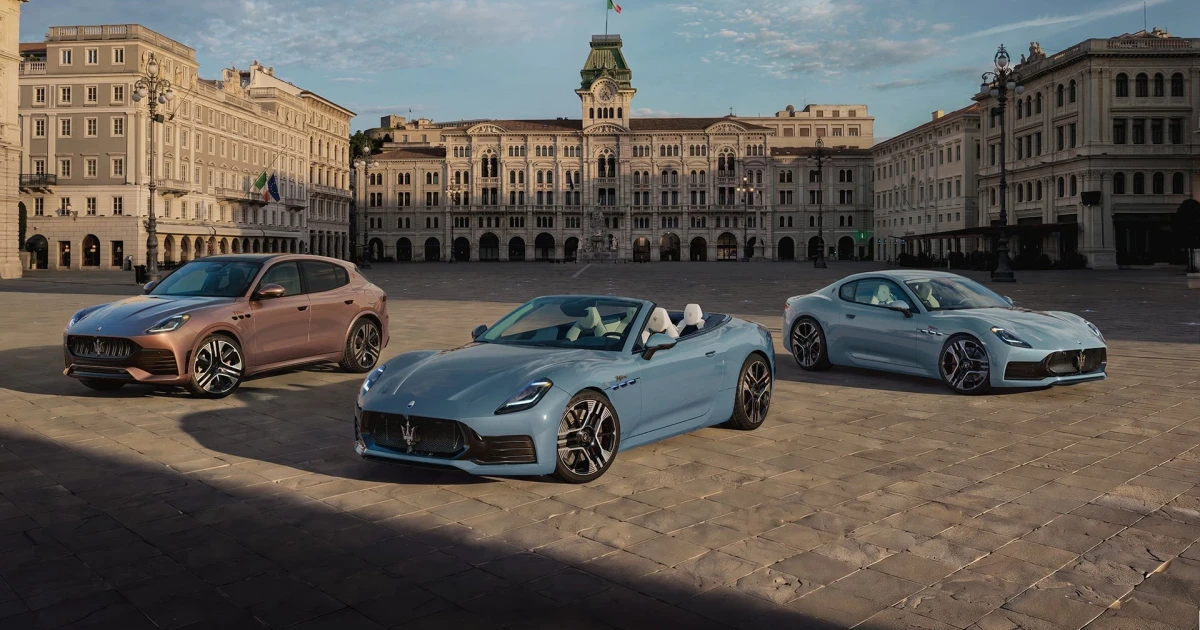
Maserati used a modest product refresh to put a much bigger question back on the table: can Stellantis still make the Trident matter in a luxury market now shaped by electrification, thinner loyalty and brutal economics?
The company unveiled updated versions of the GranTurismo, GranCabrio and Grecale on June 18, just as Stellantis prepares a deeper reset for the brand at a capital markets day in December 2026 in Modena. Stellantis said in May that Maserati will gain two new E-segment vehicles, with a more detailed roadmap to follow in December. Antonio Filosa has also made clear that Maserati is not for sale, even as the brand has drawn outside interest, including from BYD.
The reason Stellantis is reaching for a longer-term fix is simple: Maserati’s numbers have deteriorated sharply. Deliveries fell to 11,300 vehicles in 2024 from 26,600 in 2023, while the adjusted operating loss widened to €260 million. In 2025, deliveries slipped again to fewer than 8,000 units, and the adjusted operating loss was still €198 million. That is the backdrop for a brand repositioning that has to do more than freshen bodywork and powertrains.
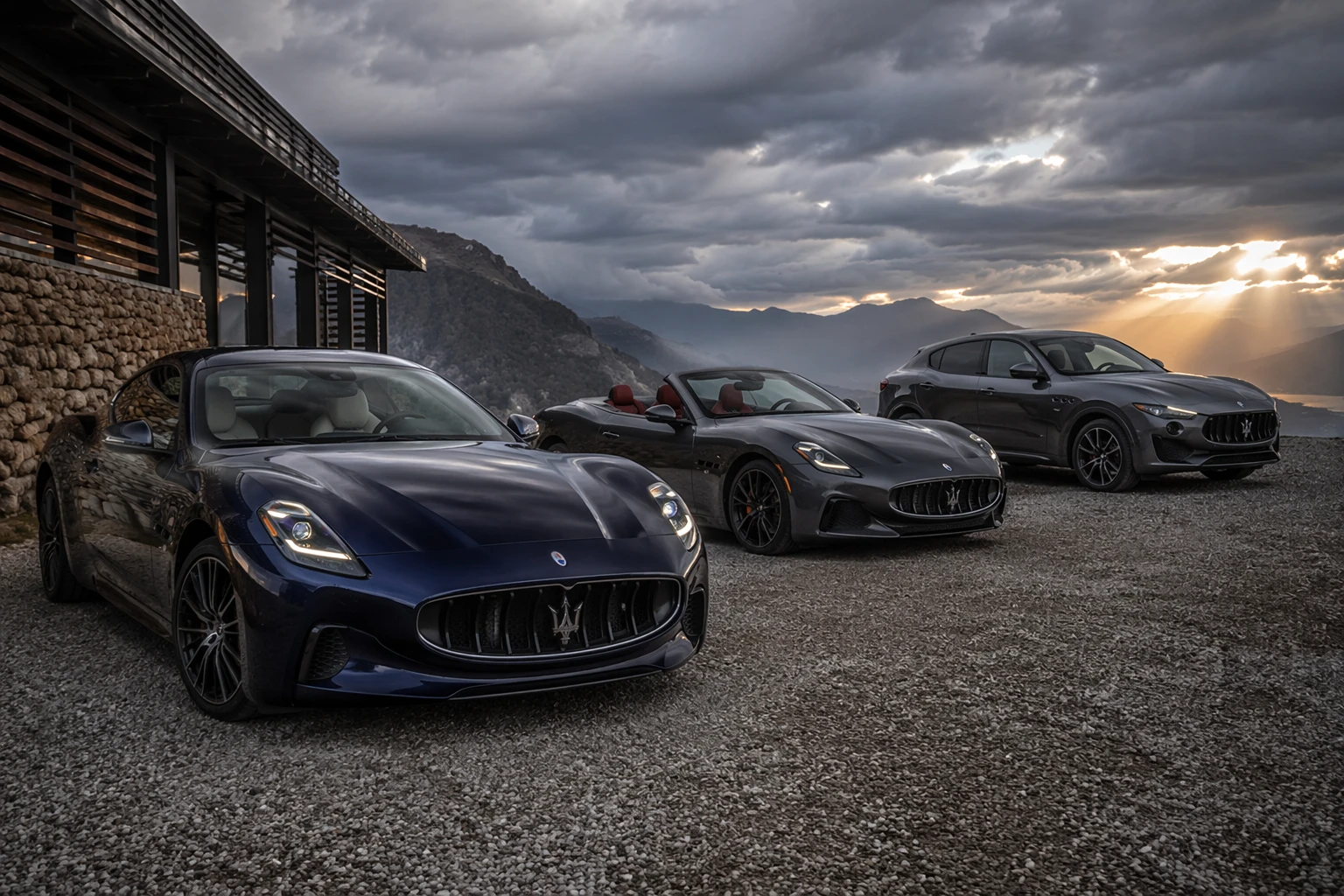
The updates themselves are meaningful, if not transformative. Stellantis said the GranTurismo and GranCabrio Trofeo now use a 590-horsepower V6 Nettuno engine, while the Grecale gains a 390-horsepower Nettuno V6 option across petrol versions. The GranTurismo Folgore’s range rises to as much as 540 kilometers thanks to an AWD-disconnect system. Maserati still spans petrol, hybrid and fully electric models, but the emphasis is increasingly on giving each badge a clearer technical role rather than simply multiplying variants.
That is where the strategic test gets harder. Santo Ficili has said Maserati needs excellence in electronic architecture and in the supply of specific parts, signaling that the brand’s problem is not only styling or badge prestige, but the industrial backbone behind modern luxury cars. Stellantis also ruled out a partnership with Jaguar Land Rover and Tata Motors, narrowing the list of obvious allies as it searches for technology and development support.
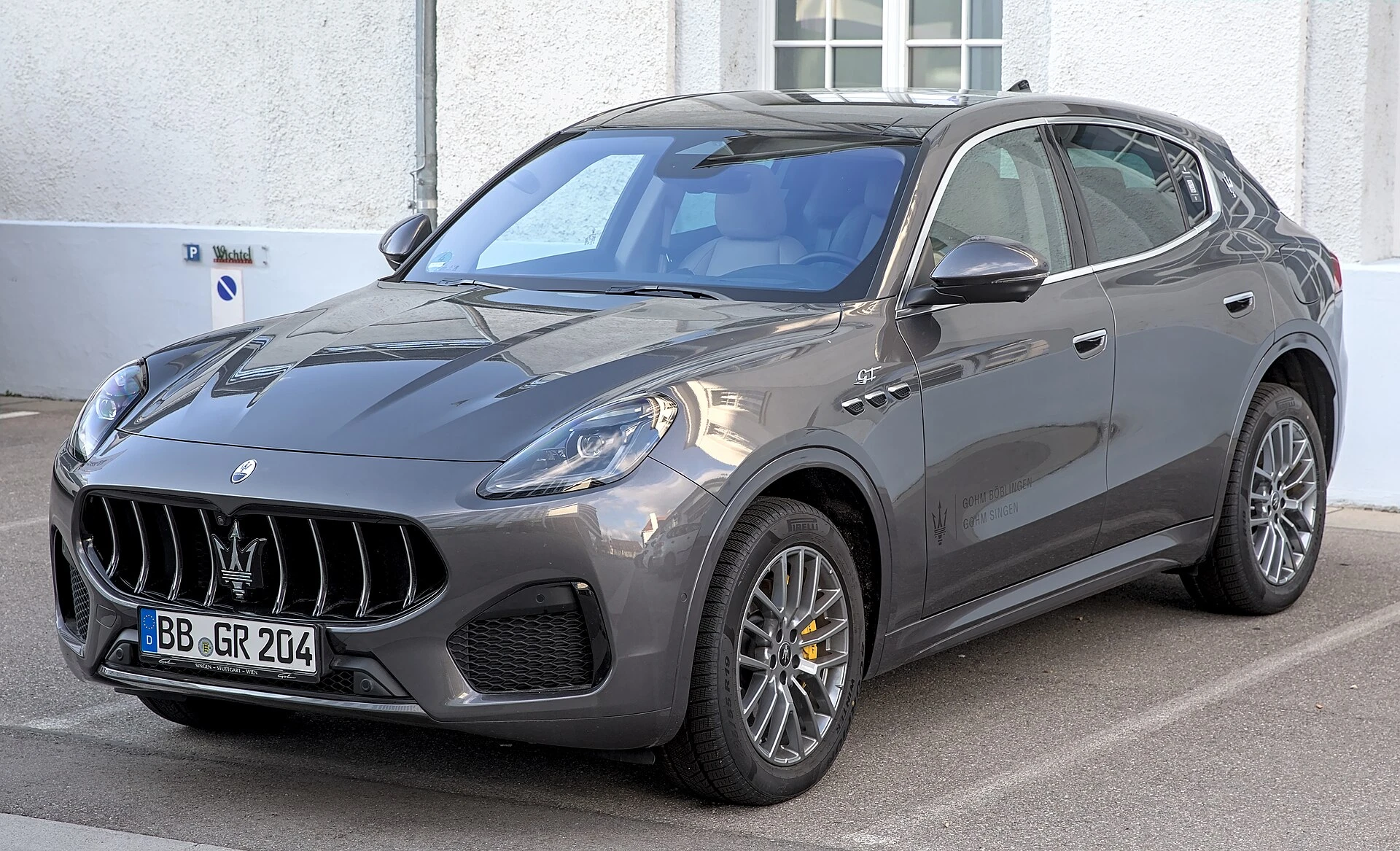
Maserati enters this reset in its centenary year. The Trident logo traces back to 1926 and the Tipo 26’s run at the Targa Florio, a reminder that the brand still trades heavily on history. The second-generation GranTurismo arrived in October 2022 and the Grecale entered production in March 2022, which means the latest changes are a mid-cycle recalibration, not a full reinvention. That leaves Stellantis with the same central challenge: prove Maserati can be priced, positioned and engineered as a true luxury contender before heritage turns into a liability.