Lifestyle
Maxxing Trend Blurs Line Between Self-Improvement and Burnout
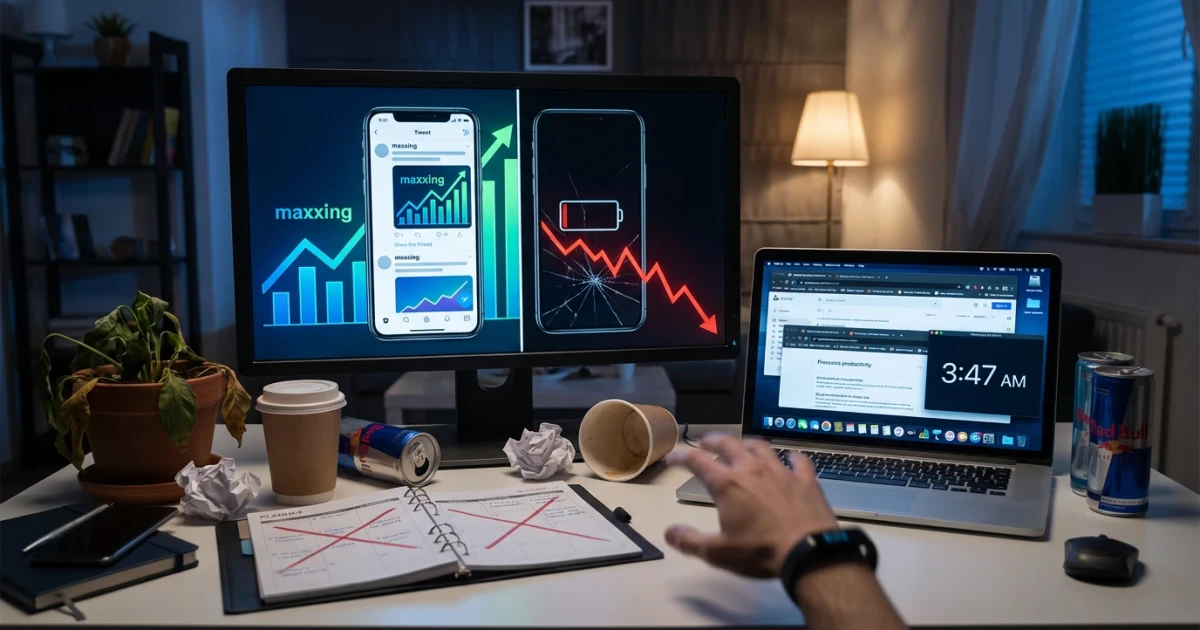
The social media phenomenon known as maxxing has rapidly taken hold among young adults and teens, promising a path to peak performance through relentless self-optimization. While many embrace the trend for its motivational power, others and mental health experts caution that the relentless pursuit of self-improvement risks tipping into burnout and disconnection.
What Is Maxxing?
Originating in online fitness and productivity communities, maxxing refers to the idea of pushing oneself to maximize every facet of life—be it physical fitness, academic achievement, career advancement, or personal branding. On platforms like TikTok and Instagram, influencers share daily routines packed with workouts, time-blocked schedules, and self-tracking apps, encouraging followers to optimize their sleep, diet, and even leisure time.
This extreme approach to self-improvement is part of a broader movement toward quantified self and well-being technologies. Wearable devices, habit trackers, and performance analytics are now embedded in the daily lives of millions, offering constant feedback and goal-setting tools. As self-optimization app usage continues to rise, the line between healthy ambition and obsession can blur.
Motivations and Social Influence
Türkiye Today notes that for many, maxxing is empowering—a way to take control in an uncertain world and showcase progress. Social media algorithms amplify this by rewarding transformation stories and #grindset content, making maxxing appear both aspirational and achievable. The pressure to display continuous improvement, however, can create a competitive atmosphere where rest or perceived mediocrity is stigmatized.
According to the Pew Research Center, more than 80% of teens report feeling pressure to succeed academically, athletically, or socially, often exacerbated by online comparisons. The constant connectivity and visibility of achievements on social media intensify this pressure, making the pursuit of optimization a public—and sometimes relentless—endeavor.
Well-Being and the Burnout Backlash
While the maxxing trend offers tools and community support for personal growth, health professionals warn of potential downsides. The U.S. Surgeon General’s Advisory on social media and youth mental health highlights rising rates of anxiety, depression, and burnout linked to digital self-presentation and performance pressure. Researchers in a peer-reviewed study found a correlation between high social media use and increased feelings of social isolation, particularly among young adults.
- National well-being data from the UK Office for National Statistics show that life satisfaction scores have stagnated or declined as digital time use has increased.
- On average, teens now spend over seven hours daily on screens, with a growing share devoted to self-tracking or productivity apps, according to Our World in Data.
- Statista reports that in Germany, more than 40% of young adults use self-optimization apps weekly, with many citing increased stress as a side effect.
Türkiye Today underscores the paradox: while maxxing can yield short-term boosts in motivation and achievement, the all-or-nothing mentality may erode long-term well-being. Some users report cycles of exhaustion, guilt over missed goals, and a sense of never being "enough," echoing expert concerns about the psychological toll of perpetual self-improvement.
Navigating a Balanced Path Forward
As the conversation around maxxing evolves, mental health advocates and researchers call for a more nuanced approach to self-optimization. Emphasizing flexibility, the value of downtime, and social connections may help mitigate the risks of burnout. Parents, educators, and platforms themselves play a role in modeling healthier behaviors—such as celebrating rest, imperfection, and intrinsic motivation rather than constant achievement.
Looking ahead, the challenge for individuals and society will be to harness the benefits of self-improvement technologies without succumbing to their excesses. As digital culture continues to shape youth identity and aspirations, finding balance may prove the ultimate optimization goal.