World
Maya astronomer-mathematician Sak Tahn Waax identified in Guatemala inscription
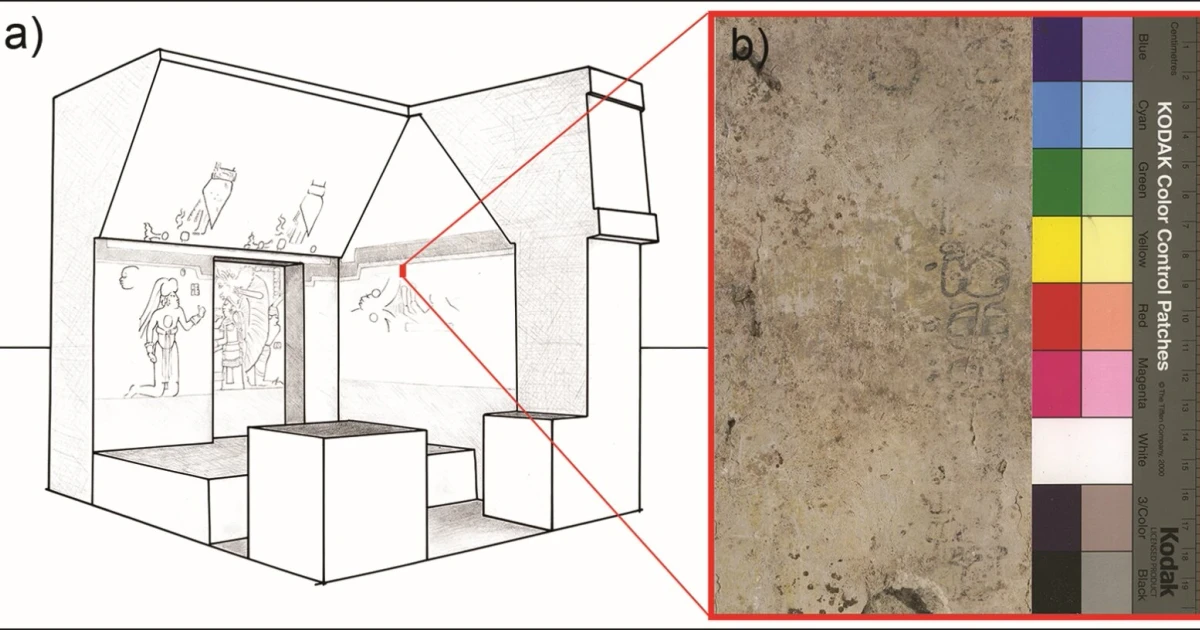
An inscription in Structure 10K-2 at Xultun has identified Sak Tahn Waax, translated as White-chested Fox, as the first known Maya astronomer-mathematician named in the record. The finding turned up in an 11-glyph sequence, and the final two glyphs provided the key that unlocked the reading. The associated text includes equations linked to the movements of Venus and Mars, placing a personal name beside the mathematical and astronomical work that once appeared anonymous.
The inscription begins with a phrase meaning so says, a detail that suggests the text may have been signed or attributed to Sak Tahn Waax. That matters because Maya astronomy and mathematics were not peripheral arts. They stood at the center of Classic Maya society from about 250 to 900 CE, shaping calendars, rituals and even royal inaugurations. Naming the person attached to the Xultun tables gives that intellectual tradition a human author, not just a set of surviving symbols.
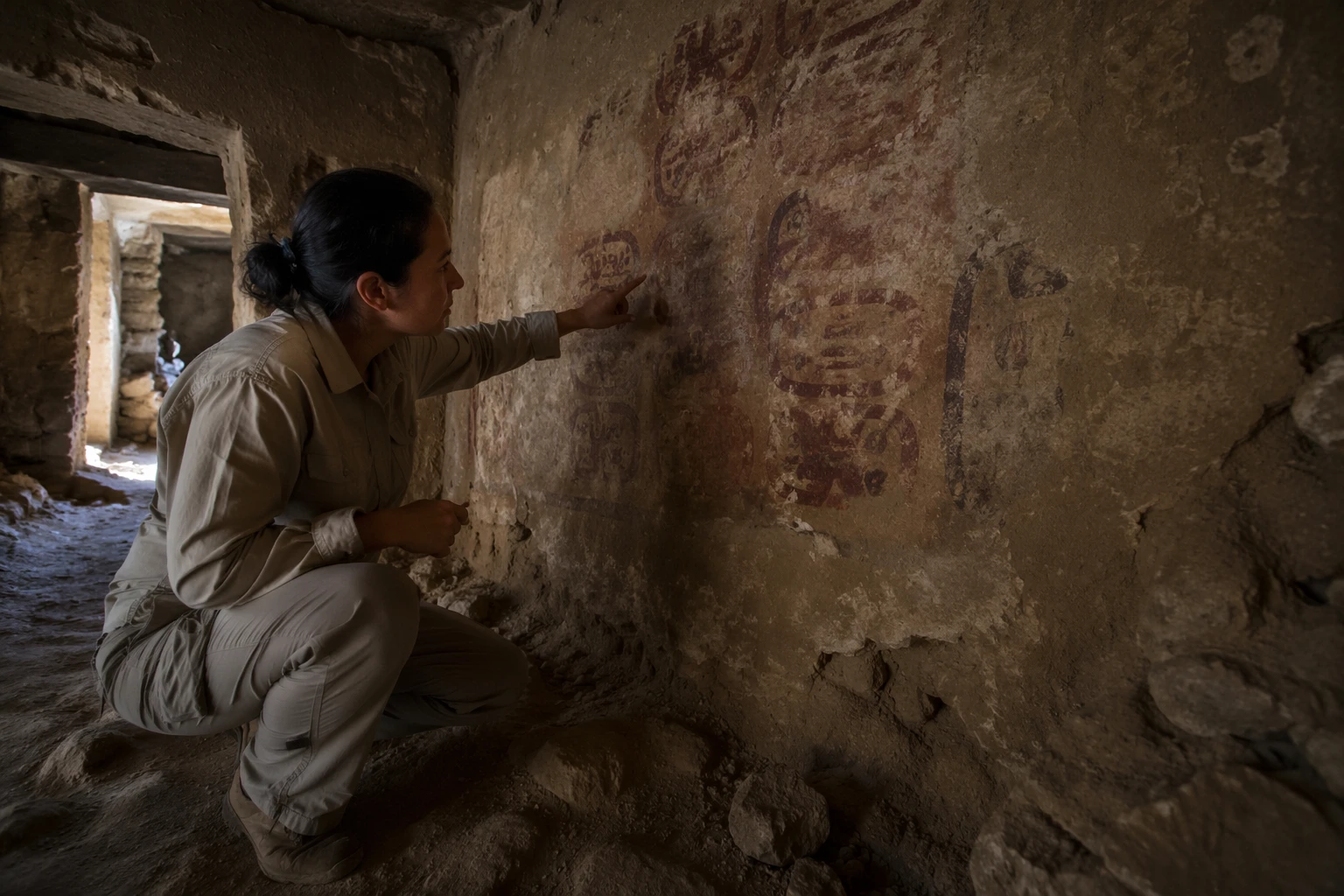
The name emerged from drawings and microtexts at the San Bartolo-Xultun archaeological site, where more than 50 faint mathematical texts were painted and etched on a wall in the hidden room at Xultun in Guatemala. The room with the astronomical tables was excavated in 2010 and 2011, but the site itself has a much longer research history. Xultun was first reported in 1915, mapped again in the 1920s and 1970s, and then entered systematic excavation in 2008.
San Bartolo and Xultun have already produced some of the oldest known Maya astronomical and calendrical evidence. San Bartolo yielded the earliest securely dated Maya calendar notation, assigned to between 300 and 200 BCE, and a later study identified a 260-day calendar date record reading 7 Deer. The Xultun murals and tables extend that record into the early 9th century CE, showing that the same broader region preserved both early calendar knowledge and later, highly specialized numerical astronomy.
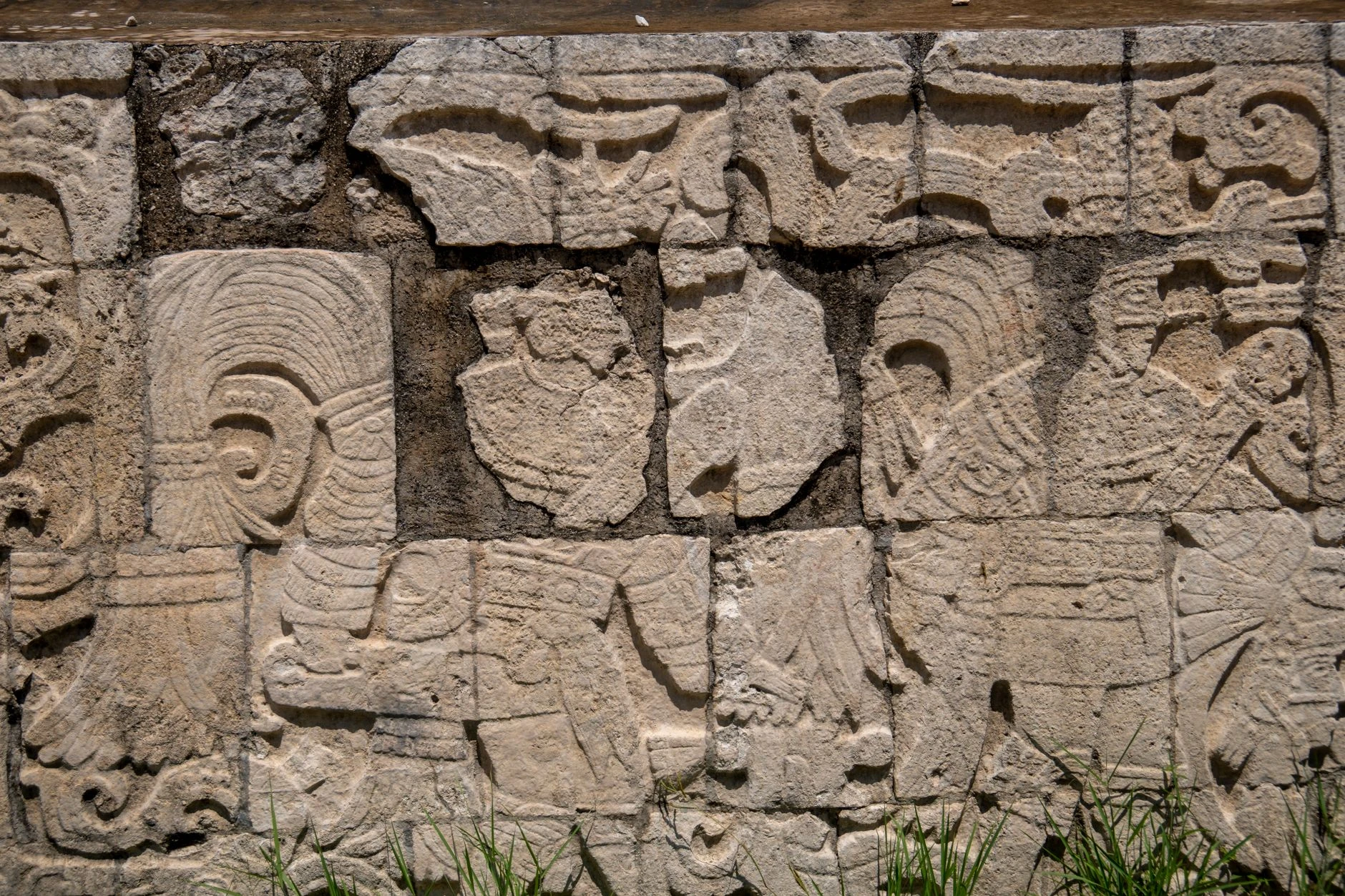
For scholars of the ancient Americas, the importance of Sak Tahn Waax is not novelty alone. It is the rare recovery of credited intellectual authorship in a civilization whose scientific achievements are usually preserved without names. In this case, the wall at Xultun does more than record Venus and Mars. It restores an individual maker to the history of Maya science.
Sources
- [1]cbsnews.com
- [2]nationalgeographic.com
- [3]science.org
- [4]cambridge.org