World
Maya wall text names ancient astronomer behind rare formula
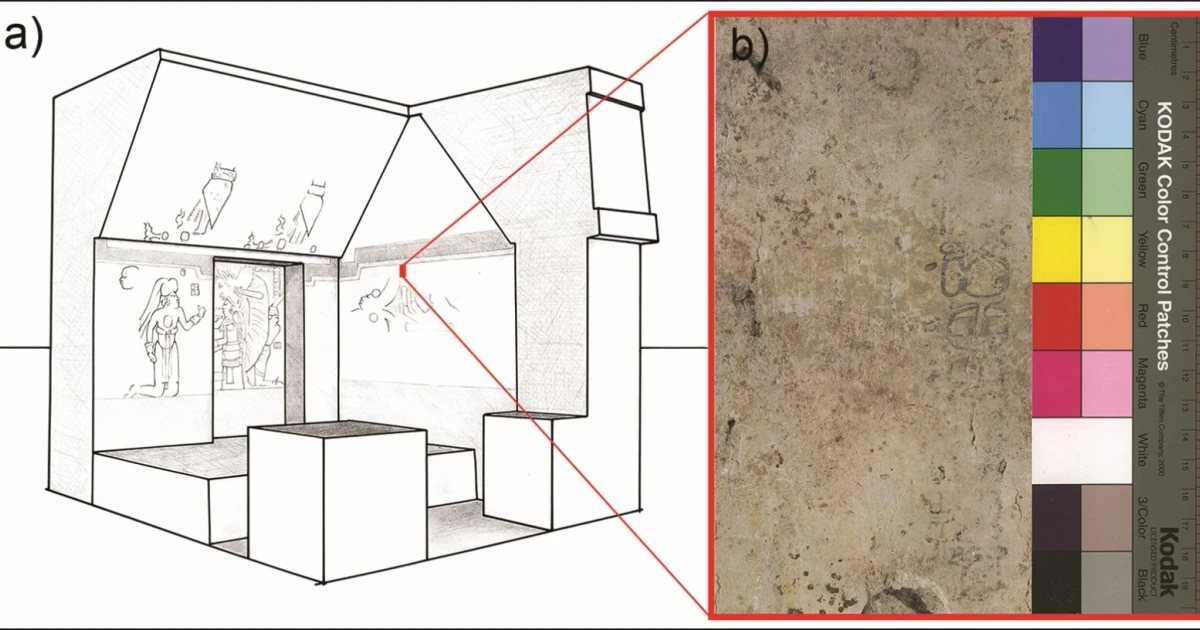
A wall text in a Maya structure at Xultun, Guatemala, has done something rare in the history of ancient science: it names the mathematician behind the formula. The newly reconstructed microtext ends with Sak Tahn Waax, translated as White-chested Fox, and the study says this is the only known example of a Classic Maya mathematician directly credited for his work.
Franco D. Rossi of the Massachusetts Institute of Technology, David Stuart of the University of Texas at Austin and Heather Hurst of Skidmore College identified the inscription in Structure 10K-2, a small masonry-vaulted residential building in the Petén region. They place the text in the early ninth century CE, within the Classic period that ran from about 250 to 900 CE, and describe the formula as part of a broader body of calendrical and astronomical writing painted on interior walls.
The new attribution matters because Maya mathematical and astronomical expertise has long been visible in surviving codices, monuments and calendar systems, while the people doing the work usually remained anonymous. Here, the wall text links a formula to a named scholar, showing that Maya intellectual life included individual authorship as well as collective tradition. The study frames the text as evidence that scholars could be credited not just for carving monuments or painting figures, but for producing specialized scientific knowledge.
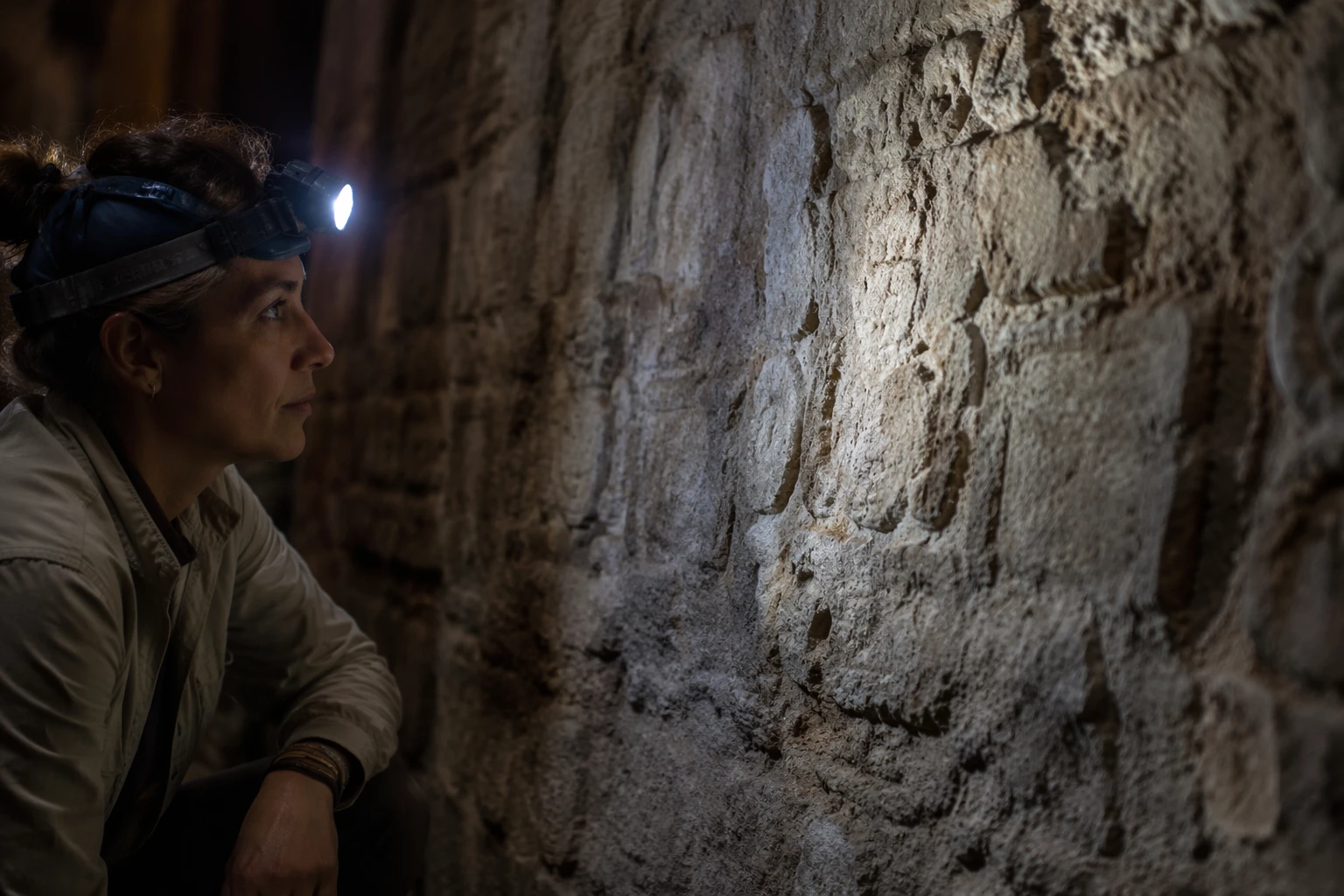
Xultun had already become important in 2010 and 2011, when archaeologists uncovered painted walls and hieroglyphs in the same structure. A 2012 Science study identified four-part calendrical notations there, including a lunar table, a ring number, a Long Count date and a multiplication table. Researchers later argued that the wall writing functioned less like a finished manuscript than an astronomer’s notebook, tied to eclipse-warning cycles and predictive astronomy. The new formula adds another layer, suggesting Maya scholars were working with commensurations between human calendars and celestial cycles.
Guatemala’s Ministry of Culture announced the identification, and the name has also been tied to mural drawings from roughly 400 BC to 900 AD at the San Bartolo-Xultun archaeological complex near the Mexican border. The Antiquity paper, titled The identification and work of an eighth-century Maya mathematician, was received on 2 May 2024, revised on 11 December 2025 and accepted on 11 February 2026. Its central claim reaches beyond one wall at one site: advanced mathematical thinking in the ancient Americas was not faceless, and the record of Maya science is now anchored to a named knowledge-maker.
Sources
- [1]news.google.com
- [2]cambridge.org
- [3]science.org
- [4]nature.com
- [5]nationalgeographic.com