Science
McGill study says speech learning depends on sound and sensation

A McGill-led study published in the Proceedings of the National Academy of Sciences says speech learning depends more on sound and bodily sensation than on the brain’s classic movement centers. The paper, titled “Sensory basis of speech motor learning and memory,” was published in 2026 and uses altered auditory feedback to test how people acquire and retain new speech patterns.
The researchers, based at McGill University in Montreal and the Yale School of Medicine in New Haven, Connecticut, argue that memory for speech movements has a sensory basis. That puts auditory and somatosensory networks, the systems that process sound and physical feedback from the mouth and vocal tract, at the center of speech learning. For years, the default view has been that frontal motor areas, which control the lips, tongue and other vocal structures, drive the process.
McGill’s Motor Control Lab has long studied how the somatosensory system shapes both speech production and perception, and this paper extends that line of work. In the McGill University newsroom summary, the study is framed as showing that learning to speak a new language, or regaining speech after injury, depends more on brain areas that process sound and physical sensation than on the parts that govern motor control. The study’s authors include Nishant Rao, David Ostry, Sarah R. Baum, T. F. Manning and Robert Gendron.
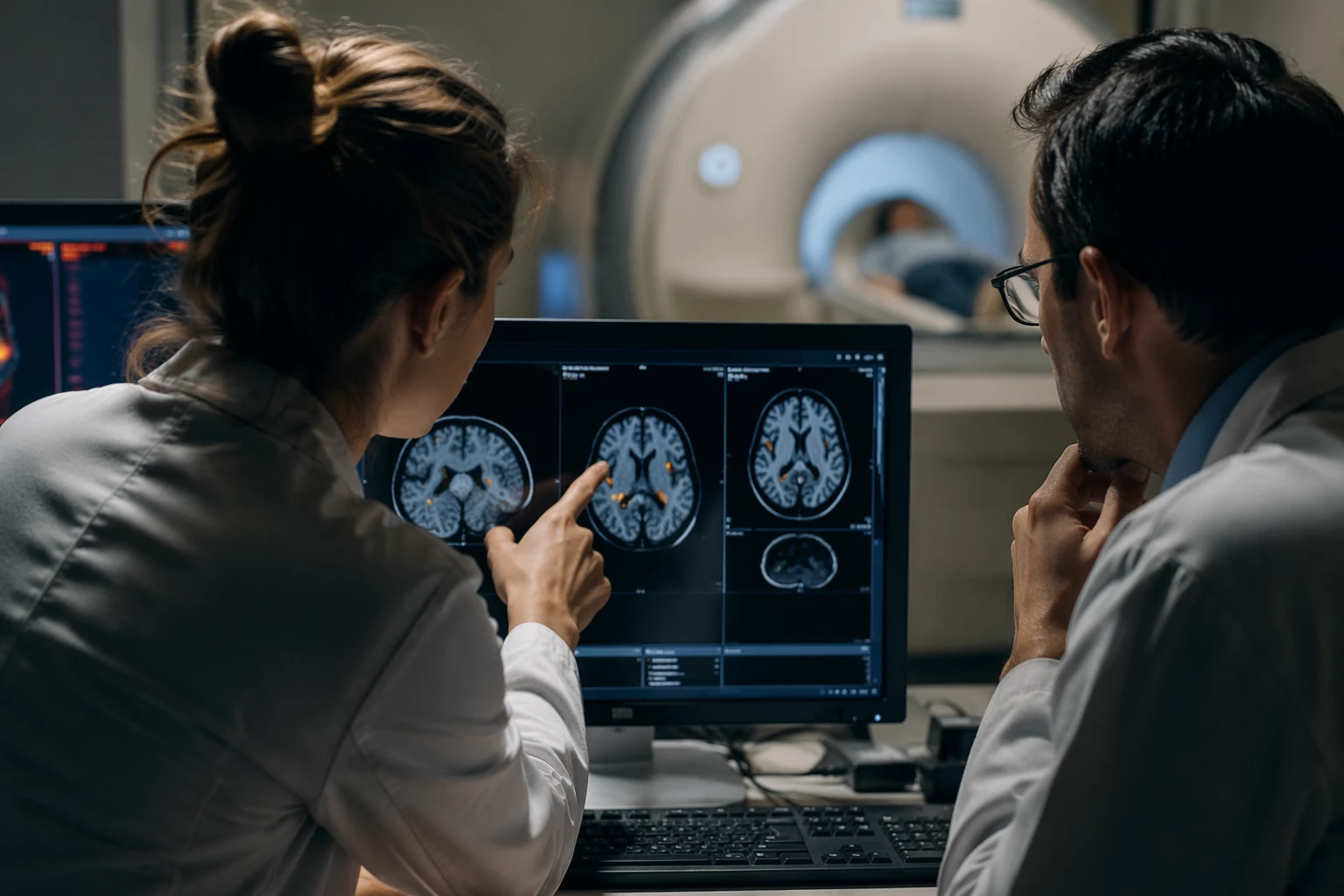
The new findings build on earlier work from the same research tradition. A 2009 PNAS study found that speech motor learning altered a speaker’s auditory map. A 2020 study found that somatic sensory memory predicted adaptation in altered auditory feedback tasks. Together, those results had already pushed the field toward a broader view of speech learning; the 2026 paper sharpens that argument by saying the memory trace itself is sensory.
The practical stakes are clearest in stroke and neurological rehabilitation. If auditory and somatosensory circuits are central to how people learn and remember speech, then therapy may need to do more than train articulation and muscle control. It may also need to retrain perception and sensation so patients can rebuild the sensory feedback loop that supports speech.

The research is still early, and it remains a lab-based model rather than a clinical treatment. Even so, it could influence future speech-recognition systems and brain-based communication tools by shifting attention from movement alone to the way the brain stores the feel and sound of speech.