Politics
McMorrow exits Michigan Senate race, leaving two-candidate Democratic field
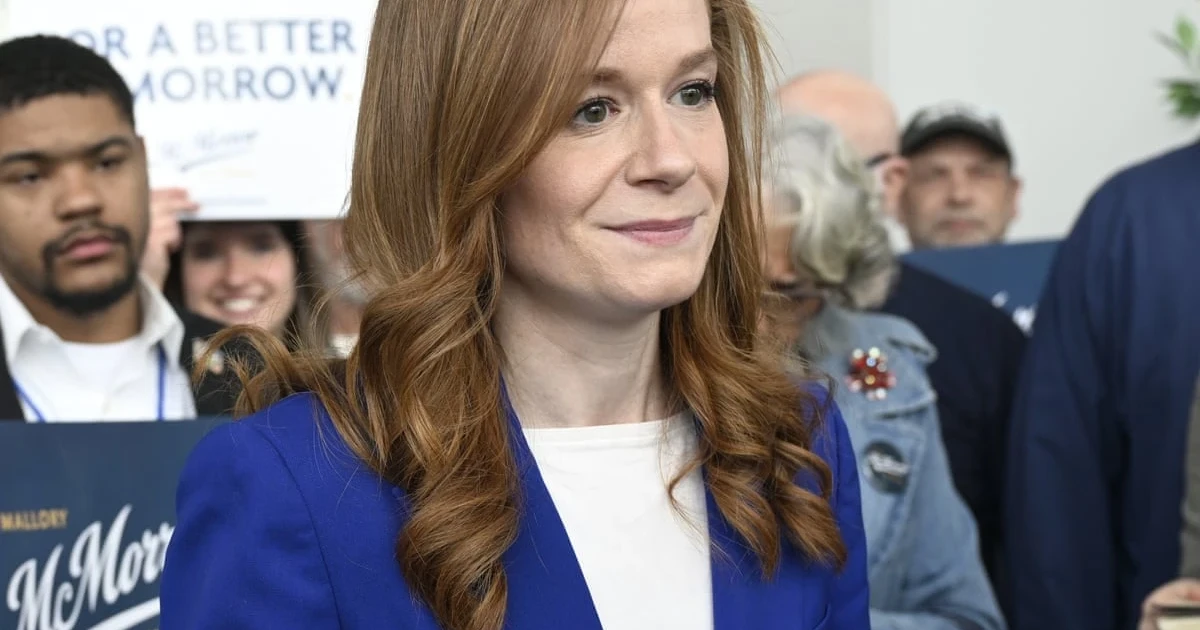
Mallory McMorrow suspended her Michigan Senate campaign on Sunday, leaving the Democratic primary to U.S. Rep. Haley Stevens and former Wayne County health chief Abdul El-Sayed just weeks before the August 4 vote. Her departure removes the candidate who had tried to occupy the space between the party’s two better-known lanes, and it instantly simplifies the field in a race Democrats cannot afford to mishandle.
McMorrow had cast herself as a middle-ground alternative to Stevens and El-Sayed, and she said her campaign was built with zero corporate PAC dollars. That positioning mattered in a state where Democrats are trying to hold together a broad coalition that can win in suburban Detroit, mobilize younger and more progressive voters, and still remain acceptable to swing voters in a general election that major forecasters rate as a toss-up. With McMorrow out, those voters are forced to choose between Stevens, a member of Congress with a more institutional profile, and El-Sayed, who has run as the sharper progressive choice.
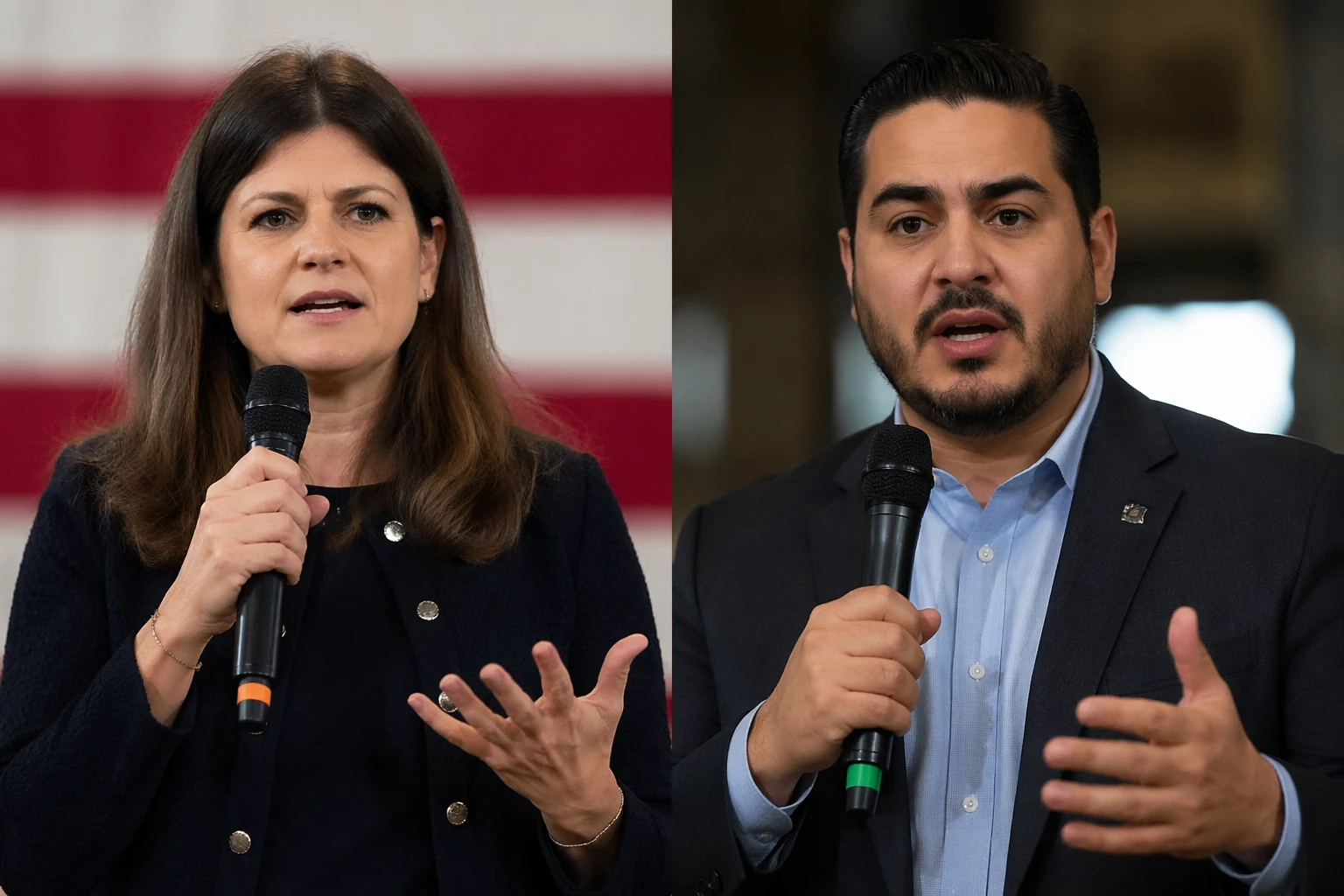
The immediate beneficiary depends on which lane matters most in the final stretch. Stevens and El-Sayed both gain by no longer splitting the same universe of anti-establishment or persuasion-minded Democratic voters with McMorrow, but the exit also appears to help Stevens most in the race for the party’s pragmatic wing. McMorrow’s closing argument had been built around being the bridge candidate, and once she stepped aside, that message disappeared from the ballot line and from the race’s center.
The broader stakes reach well beyond the primary. Michigan’s Senate seat is open because Sen. Gary Peters is retiring, and the state is one of Democrats’ most vulnerable battlegrounds in 2026. The primary on August 4 will decide who carries the party into a general election set for November 3, and the result will shape how Democrats present themselves to a statewide electorate that has repeatedly decided close races. McMorrow’s exit may tighten the primary contest, but the larger effect is on the general-election map, where party unity, turnout, and crossover appeal will matter more than the last intramural divide.
Sources
- [1]cbsnews.com
- [2]detroitnews.com
- [3]cookpolitical.com
- [4]ballotpedia.org
- [5]whitehouse.gov
- [6]cnbc.com