Health
Measles Case Confirmed at Arizona ICE Facility Sparks Public Health Concerns
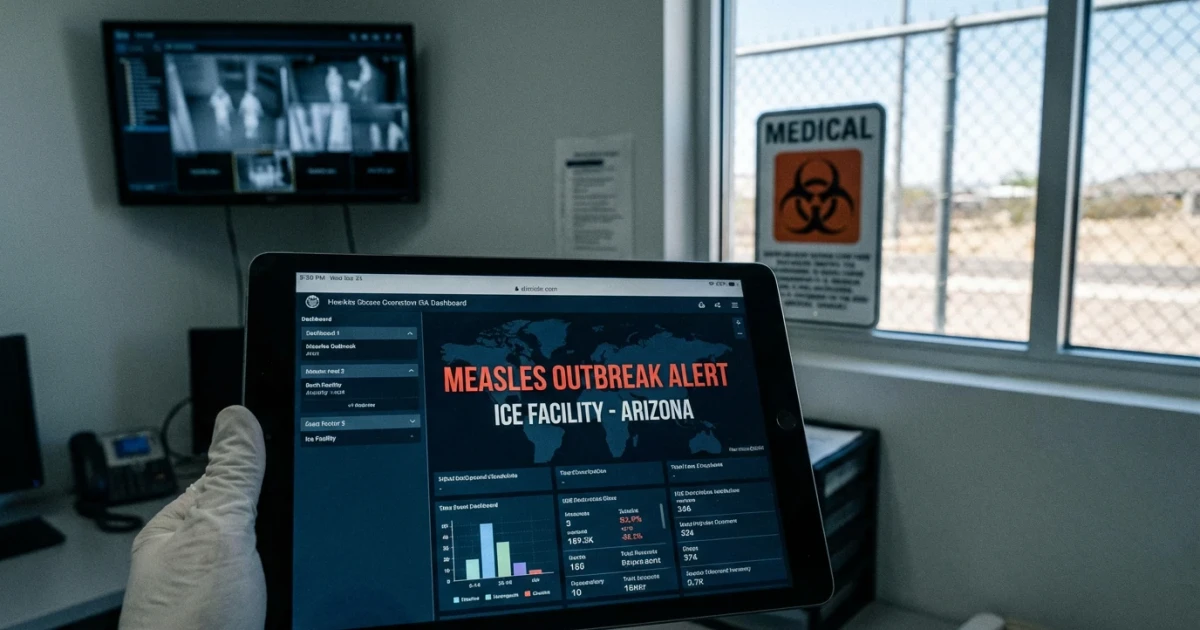
A confirmed case of measles has been reported at an Immigration and Customs Enforcement (ICE) facility in Arizona, according to CNN. The news has prompted renewed attention to the challenges of disease control in detention centers and the implications for both detainees and staff.
The Measles Outbreak: What We Know
Measles is a highly contagious viral disease known for its rapid transmission, especially in environments where individuals are in close contact. The confirmation of a case within an ICE facility raises immediate concerns about the potential spread among detainees, staff, and the broader community.
- Measles can be transmitted through the air via coughing and sneezing, and the virus can linger in the air for up to two hours after an infected person has left an area.
- Symptoms typically include high fever, cough, runny nose, red eyes, and a characteristic rash.
- Measles is preventable through vaccination, but outbreaks can still occur in populations with low immunization rates.
Public Health Implications
Detention facilities, such as those operated by ICE, are especially vulnerable to infectious disease outbreaks due to high population density and the challenges of enforcing strict isolation protocols. The confirmation of a measles case underscores the need for robust health screening and vaccination policies within these environments.
Public health officials typically recommend immediate isolation of infected individuals, vaccination campaigns for those at risk, and thorough contact tracing to prevent further spread. The effectiveness of these measures within the unique context of an ICE facility remains a critical concern.
Detainee and Staff Safety
The safety of both detainees and facility employees is paramount. Measles can lead to serious complications, particularly in vulnerable populations such as young children, pregnant women, and individuals with weakened immune systems. Ensuring that all staff and detainees are aware of symptoms and have access to medical evaluation is essential for managing this outbreak.
Looking Ahead: Preventing Future Outbreaks
This incident highlights the importance of preventive measures, such as maintaining high vaccination coverage and rapid response protocols in correctional and detention settings. Ongoing collaboration between ICE, public health departments, and medical providers will be necessary to contain the current case and prevent future occurrences.
As more information becomes available, this story will continue to develop, with significant implications for national public health strategies and the wellbeing of those housed in government-operated facilities.
Sources
- [1]CNN