Health
Measles Cases Emerge at Dilley Detention Center in Texas
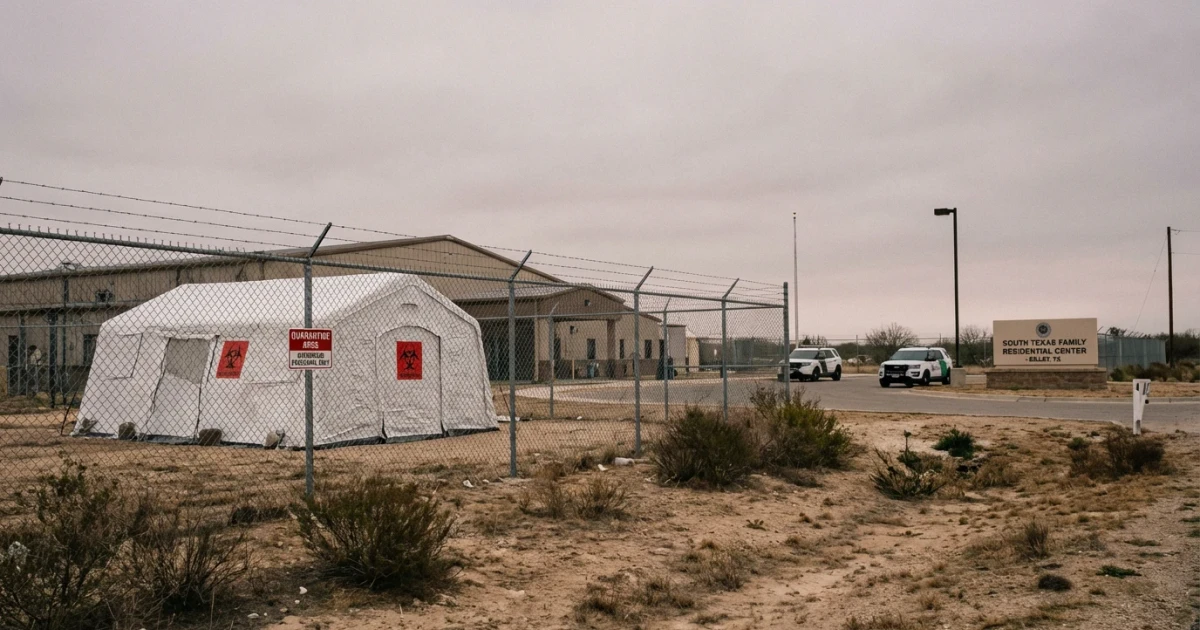
Two cases of measles have been confirmed at the Dilley Family Detention Center in Texas, drawing renewed attention to health conditions at one of the nation’s largest immigrant family detention facilities. The outbreak has prompted swift responses from state and federal officials, with Texas Rep. Tony Gonzales publicly defending the facility’s conditions amid scrutiny.
Outbreak Details and Facility Response
The Centers for Disease Control and Prevention lists measles as a highly contagious viral disease that can spread rapidly in congregate settings like detention centers. According to CBS News, the two confirmed cases at Dilley were detected during routine medical screening, and immediate containment protocols were implemented. Health officials have begun contact tracing and isolation measures to prevent further transmission among detainees and staff.
Facility Conditions Under Scrutiny
The Dilley center, operated under the oversight of U.S. Immigration and Customs Enforcement (ICE), houses immigrant families awaiting legal proceedings. Outbreaks in such facilities raise concerns about preparedness and health care standards. Rep. Tony Gonzales, in statements to the media, defended the center’s operations, emphasizing that health and safety protocols are in place to protect residents and staff. Gonzales argued that the facility has responded promptly and effectively to the outbreak, coordinating with public health authorities as required.
Public Health Perspective
Measles remains one of the most contagious diseases, with the potential for rapid spread in close quarters. The CDC explains that the virus can linger in the air for up to two hours after an infected person coughs or sneezes, making swift isolation and vaccination efforts critical in outbreak scenarios. While the number of cases at Dilley remains small, the situation underscores the challenges faced by detention facilities during infectious disease incidents.
Broader Implications and Ongoing Monitoring
- Measles cases remain rare in the U.S., but outbreaks in institutional settings can escalate quickly without proper containment.
- Health authorities recommend vaccination as the most effective prevention method, and detainee populations often include individuals from regions with lower immunization rates.
- Ongoing monitoring and transparent communication are essential to maintain public trust and prevent further spread.
As officials continue to monitor the situation, the Dilley facility’s response will be closely watched by public health advocates, lawmakers, and immigrant rights groups. The incident also highlights the importance of robust disease surveillance and rapid intervention in detention settings, particularly for diseases as contagious as measles.
Readers can review current measles outbreaks and Texas measles statistics for up-to-date information, and consult the CDC’s explainer for more on symptoms and prevention.