Health
Measles cases surge nationwide as officials race to trace contacts
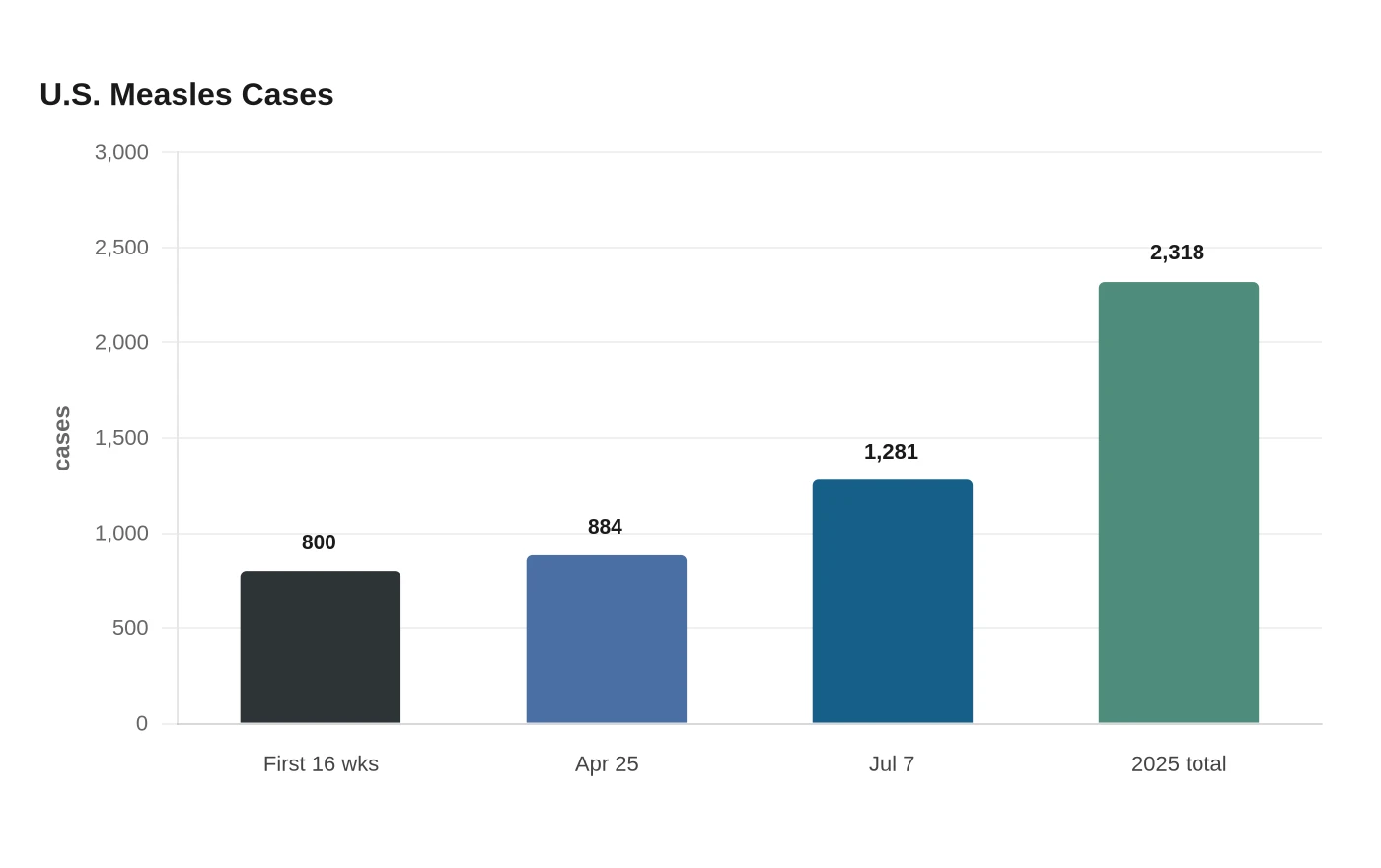
Later CDC-based reporting put the U.S. measles total for 2025 at 2,318 cases, a record that forced health officials back into the basics of outbreak control, finding cases quickly, tracing contacts and isolating patients before the virus spread further. The CDC had already counted 800 cases and 10 outbreaks in the first 16 weeks of the year, and by April 25 it had logged 884 confirmed cases across 29 states.
The pace of the rise drew international attention. The World Health Organization issued a 2025 disease outbreak notice on measles in the United States, and Johns Hopkins Bloomberg School of Public Health’s International Vaccine Access Center said the country had reached 1,281 cases by July 7, the highest total since measles was declared eliminated in 2000 and above the 1,274 cases recorded in 2019.
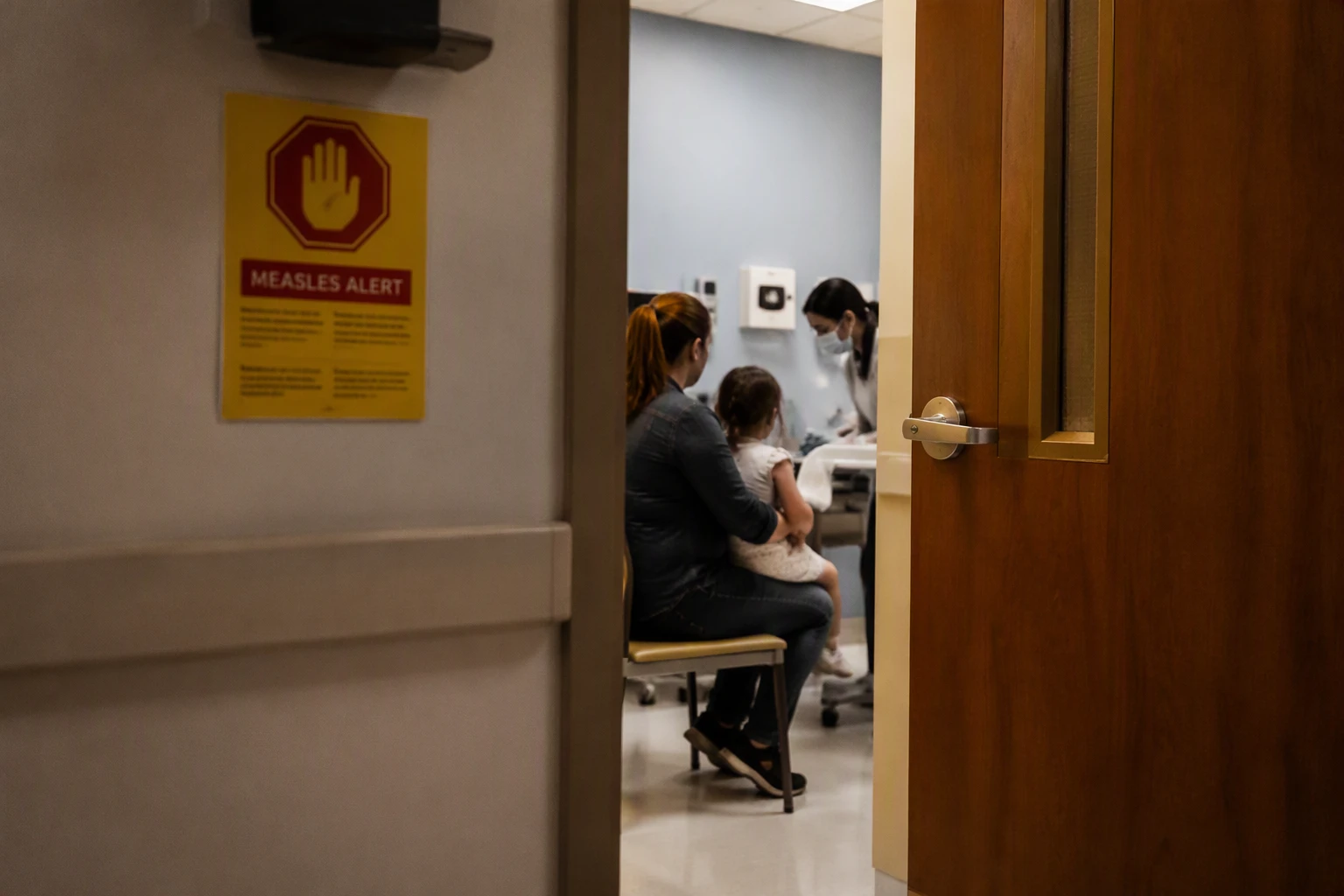
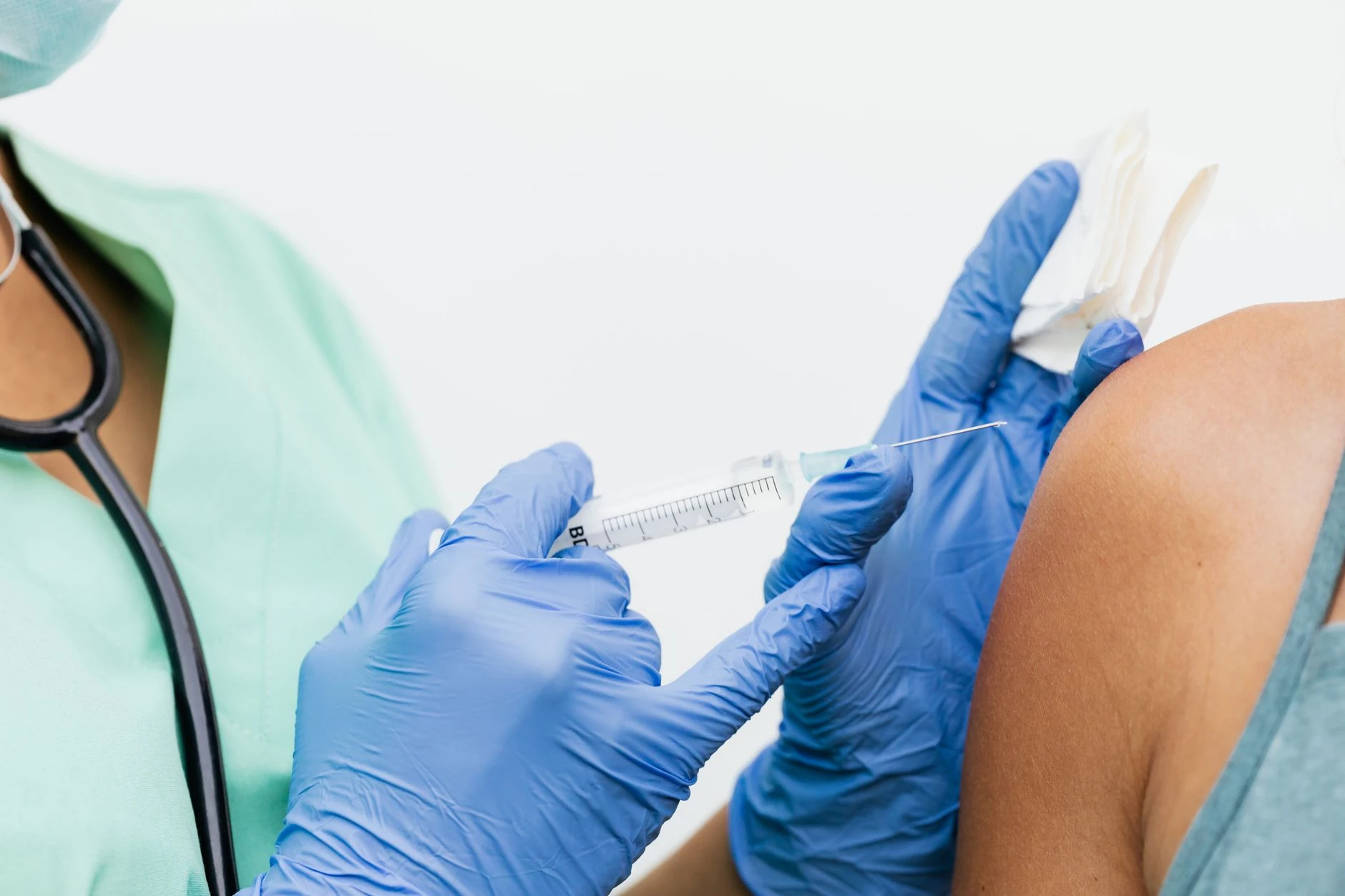
Pennsylvania became one of the clearest stress tests for local public health systems. At one point, state reporting put the outbreak at 72 cases, and later trackers showed 84 confirmed cases in Lancaster County and 6 in York County. Montgomery County officials warned that about 90% of close contacts who are not immune can get measles, which explains why health departments pushed vaccination, rapid case identification and exposure notifications as soon as a possible case surfaced.

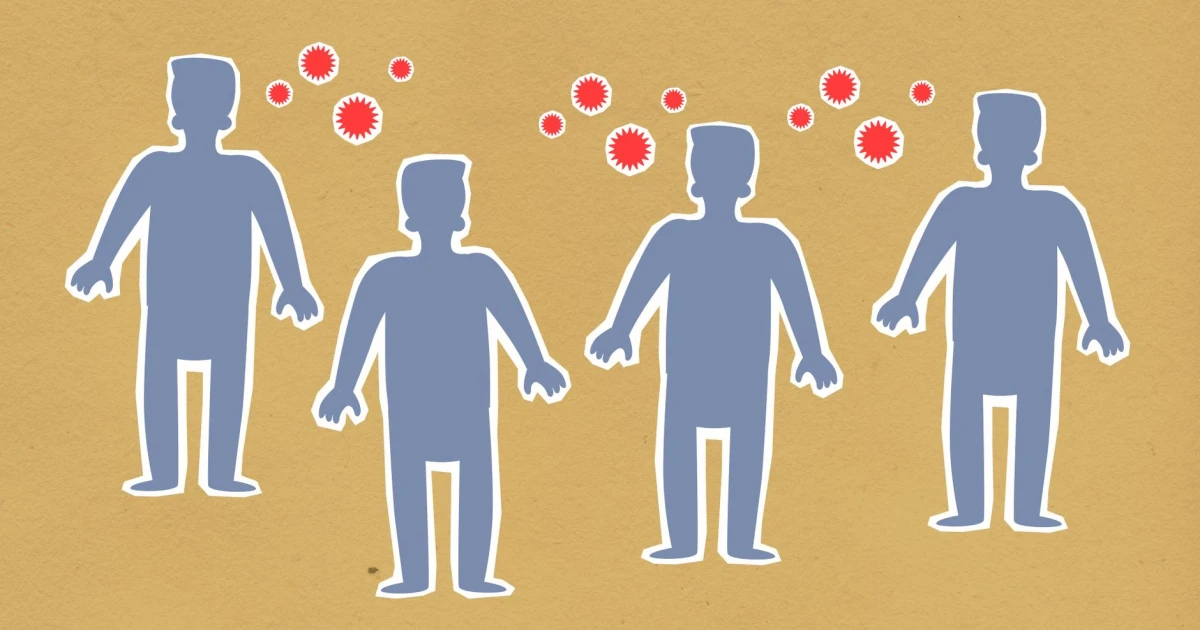
That urgency reflected how measles spreads, through coughing, sneezing or breathing in shared air. In practical terms, that put schools, hospitals and parents on the front line, especially in classrooms, emergency departments and pediatric waiting rooms where one missed case can create a long chain of exposures. The response also extended beyond Pennsylvania: a Public Health Communications Collaborative tracker later counted 4,361 confirmed U.S. measles cases from January 1, 2025 through June 11, 2026, reported by 48 states and jurisdictions.
The numbers underscored how much of the country’s outbreak posture rested on whether vaccination coverage and rapid-response capacity could keep pace with transmission. Measles was declared eliminated in the United States in 2000, but the 2025 surge showed how quickly that achievement could be strained when immunity gaps widened and public health teams had to chase contacts across states, counties and school systems.
Sources
- [1]news.google.com
- [2]aha.org
- [3]cdc.gov
- [4]publichealth.jhu.edu
- [5]publichealthcollaborative.org
- [6]who.int
- [7]dph.sc.gov
- [8]whyy.org
- [9]arcgis.com
- [10]pa.gov
- [11]montgomerycountypa.gov