Health
Measles Investigation Widens in D.C. After March for Life Exposure Warning
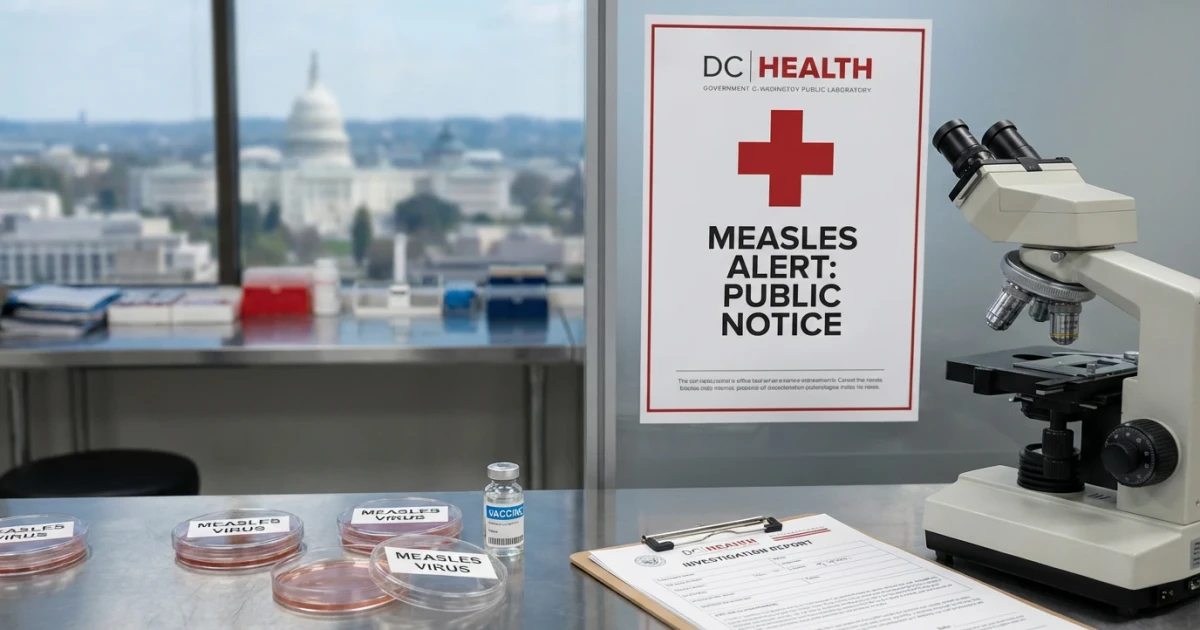
DC Health is investigating a rising number of measles cases in Washington, with officials warning that those who attended the recent March for Life rally may have been exposed to the highly contagious virus. The announcement has prompted a public health response focused on identifying exposure sites and urging community vigilance.
March for Life Rally Identified as Exposure Site
According to The Washington Post, city health officials have listed the March for Life rally—an annual event that draws thousands to downtown Washington—as a potential site where the public may have come into contact with someone infected with measles. This warning follows confirmation of new cases in the district, intensifying efforts to trace contacts and contain the spread.
DC Health, in its official advisory, is urging anyone who attended the rally or visited other identified locations during the relevant period to check their vaccination status and monitor for symptoms, which can include high fever, cough, runny nose, and a distinctive rash. The agency is also coordinating with local hospitals and clinics to ensure rapid identification and reporting of suspected cases.
Understanding the Risks and Response
Measles is known for its ability to spread quickly in crowded settings, and public health experts emphasize that even a single case can spark an outbreak in communities with pockets of unvaccinated individuals. According to the Centers for Disease Control and Prevention (CDC), the United States has seen a recent uptick in measles cases and outbreaks, with large gatherings identified as key transmission venues.
- Measles is highly infectious, with up to 90% of close contacts of a case becoming ill if unvaccinated.
- Symptoms typically appear 7 to 14 days after exposure.
- Complications can include pneumonia, encephalitis, and—rarely—death, especially among young children and immunocompromised individuals. More details are available on measles complications.
Vaccination Rates and Public Health Guidance
Health officials stress that vaccination remains the most effective protection against measles. The CDC's measles vaccination coverage data shows high national rates, but localized gaps persist and can fuel outbreaks. DC Health recommends that anyone uncertain about their immunity consult with their healthcare provider and consider receiving the measles-mumps-rubella (MMR) vaccine if necessary.
For those who may have been exposed, authorities advise:
- Monitoring for symptoms for at least 21 days after potential contact
- Staying home and contacting a healthcare provider before visiting a clinic if symptoms develop
- Confirming vaccination history, especially for children and vulnerable adults
Ongoing Investigation and Community Impact
The investigation is ongoing, with DC Health working alongside federal and regional partners to trace contacts and communicate with the public. As officials expand the list of possible exposure sites, they continue to highlight the importance of vaccination and rapid response to suspected cases. Large events like the March for Life can amplify the risk, and this incident underscores continued challenges in managing vaccine-preventable diseases.
For more on how measles outbreaks are tracked and managed, see the CDC's measles surveillance and outbreak investigation tools.
Looking Ahead, public health experts say the current situation serves as a reminder of the need for community-wide vigilance and up-to-date immunization. As DC Health continues its efforts, residents are urged to remain informed and take steps to protect themselves and those around them.