Health
Measles Outbreak Forces Lockdown at Texas ICE Detention Center, Raising Public Health Concerns
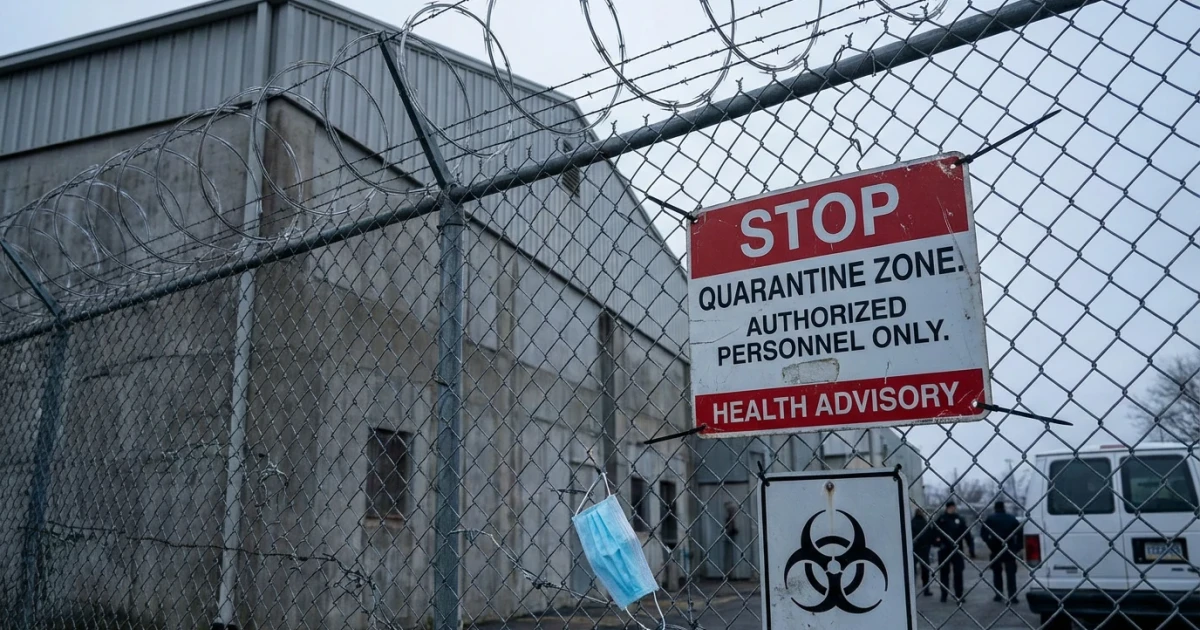
A measles outbreak at the Dilley family detention facility in Texas has led U.S. Immigration and Customs Enforcement (ICE) to halt all movement within the facility, underscoring renewed public health concerns over infectious disease control in federal detention centers.
ICE Responds with Lockdown Measures
ICE announced a suspension of "all movement" at the Dilley detention center after multiple cases of measles were confirmed among detainees. The agency’s swift action is designed to contain the spread of the highly contagious virus, which can easily pass among groups in close quarters such as detention facilities.
Understanding the Measles Threat
Measles is a highly contagious respiratory disease caused by a virus. According to the Centers for Disease Control and Prevention (CDC), the virus can live in the air for up to two hours and infects up to 90% of non-immune individuals exposed to it. Symptoms typically include a high fever, cough, runny nose, and a distinctive rash, but severe complications can occur, particularly in children and those with weakened immune systems.
- Measles transmission is especially rapid in closed environments
- The CDC recommends immediate isolation following confirmed cases
- Vaccination is the most effective prevention method
Background: The Dilley Family Detention Facility
The Dilley facility, located in south Texas, is one of the largest family detention centers in the United States. It houses migrant families awaiting immigration proceedings. Outbreaks in such environments present challenges due to frequent population shifts and limited space for isolation.
Public Health Implications and Response
This recent outbreak has reignited discussion around infectious disease management in federal facilities. Public health experts have long warned that overcrowded detention centers can act as amplifiers for contagious diseases, especially when vaccination rates are uncertain and medical resources are limited.
ICE’s decision to halt movement within the facility aligns with CDC protocols for outbreak containment. These measures generally include:
- Immediate isolation of confirmed and suspected cases
- Screening and vaccination of other detainees and staff
- Temporary suspension of detainee transfers or releases
Looking Ahead: Challenges in Detention Center Health Management
The measles outbreak at Dilley brings into focus the ongoing struggle to balance immigration enforcement with detainee health and safety. While ICE’s swift lockdown is intended to prevent wider transmission, the situation highlights the need for robust vaccination, screening, and rapid response protocols in detention settings.
As public health officials monitor the situation, the incident serves as a stark reminder of the vulnerabilities present in congregate environments and the importance of preventive health measures. Continued transparency and coordination between ICE, local health officials, and the CDC will be critical in containing this outbreak and preventing future incidents.
For Further Information
Conclusion: The ongoing response at the Dilley detention facility will be closely watched by public health officials, advocates, and policymakers as a test of the nation’s capacity to control infectious disease outbreaks in high-risk environments.
Sources
- [1]CBS News