Health
Measles Outbreak Hits Unvaccinated Children in the US
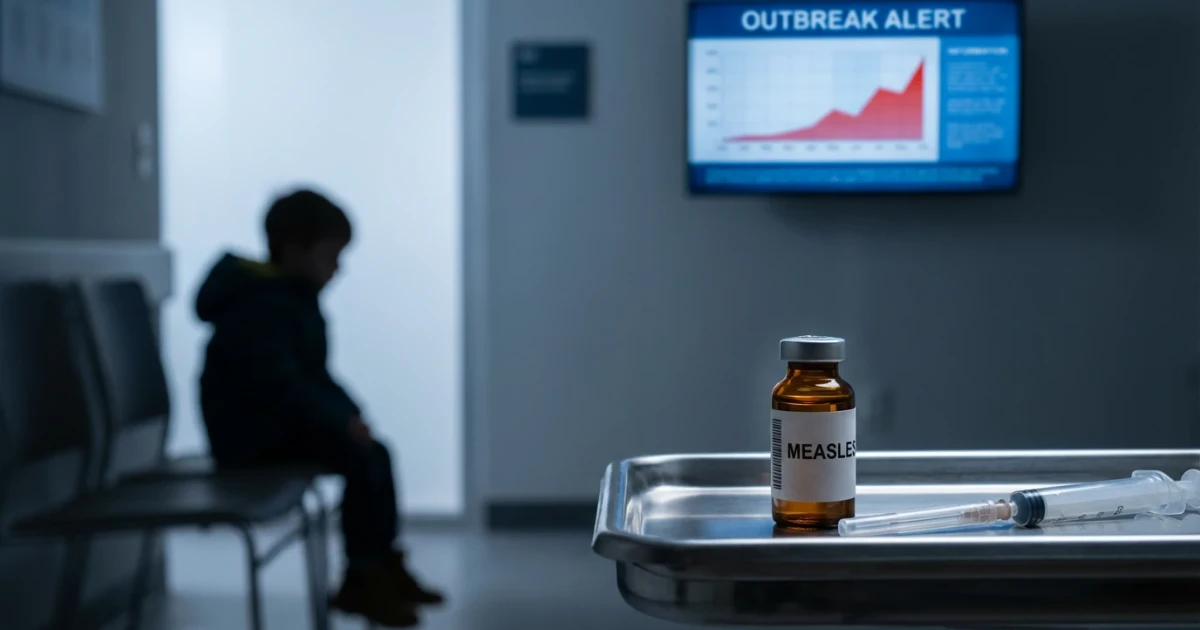
Measles is making a troubling return in parts of the United States, with a recent outbreak severely affecting children whose parents chose to forgo vaccination. The situation, highlighted by The New York Times, underscores the risks of declining immunization rates and reignites debate over parental responsibility, public health, and how communities respond to vaccine hesitancy.
Rising Measles Cases Linked to Falling Vaccination Rates
The most recent outbreak saw clusters of measles cases among unvaccinated children. According to the Centers for Disease Control and Prevention (CDC), measles cases in the US have increased in recent years, with outbreaks most likely to occur in communities with lower childhood vaccination rates. Data from the CDC's ChildVaxView program shows that while national MMR (measles, mumps, rubella) vaccine coverage remains high, some regions have seen significant declines due to vaccine hesitancy and misinformation.
- Measles is highly contagious—up to 90% of unvaccinated people exposed will become infected.
- Outbreaks often begin when the virus is brought into undervaccinated communities, leading to rapid transmission.
- The CDC recommends that children receive two doses of the MMR vaccine for optimal protection, as outlined in the official vaccination schedule.
Severe Impact on Unvaccinated Children
The New York Times reported on families who, attempting to shield their children from perceived risks of vaccines, instead exposed them to the serious and sometimes life-threatening dangers of measles. The article described how these children suffered high fevers, rashes, and, in some cases, complications requiring hospitalization. The CDC warns that measles complications can include ear infections, pneumonia, encephalitis (swelling of the brain), and death, especially in young children.
Despite these risks, some parents remain hesitant, citing concerns about vaccine safety. However, extensive research, including CDC data on MMR vaccine safety, confirms that serious side effects are extremely rare, and the benefits of vaccination far outweigh the risks.
Debate Over Parental Responsibility and Public Response
The outbreak has reignited debate about how to address vaccine hesitancy. The New York Times opinion section argued against shaming parents, emphasizing that stigma often backfires and can deepen mistrust. Instead, experts recommend focusing on education, transparent communication, and community engagement to address concerns and misinformation.
According to a systematic review of measles outbreaks in unvaccinated populations, consistent access to accurate information and healthcare provider guidance are key to improving vaccination rates. Public health officials stress the importance of maintaining high community immunity to protect the most vulnerable, including infants and those who cannot be vaccinated for medical reasons.
Global and National Implications
The World Health Organization's global immunization data shows that measles remains a leading cause of vaccine-preventable deaths worldwide, but the US had previously all but eliminated the disease through widespread vaccination. The recent resurgence is a stark reminder that progress can be quickly undone when immunization rates fall below the threshold needed for herd immunity.
Looking Forward
As communities grapple with the fallout of this outbreak, public health officials and educators are redoubling efforts to communicate the safety and necessity of vaccines. While there is widespread agreement on the importance of increasing vaccination rates, experts caution that building trust—not blame—will be essential to protecting children and preventing future outbreaks.