US News
Mediators Push for U.S.-Iran Meeting Amid Conflict
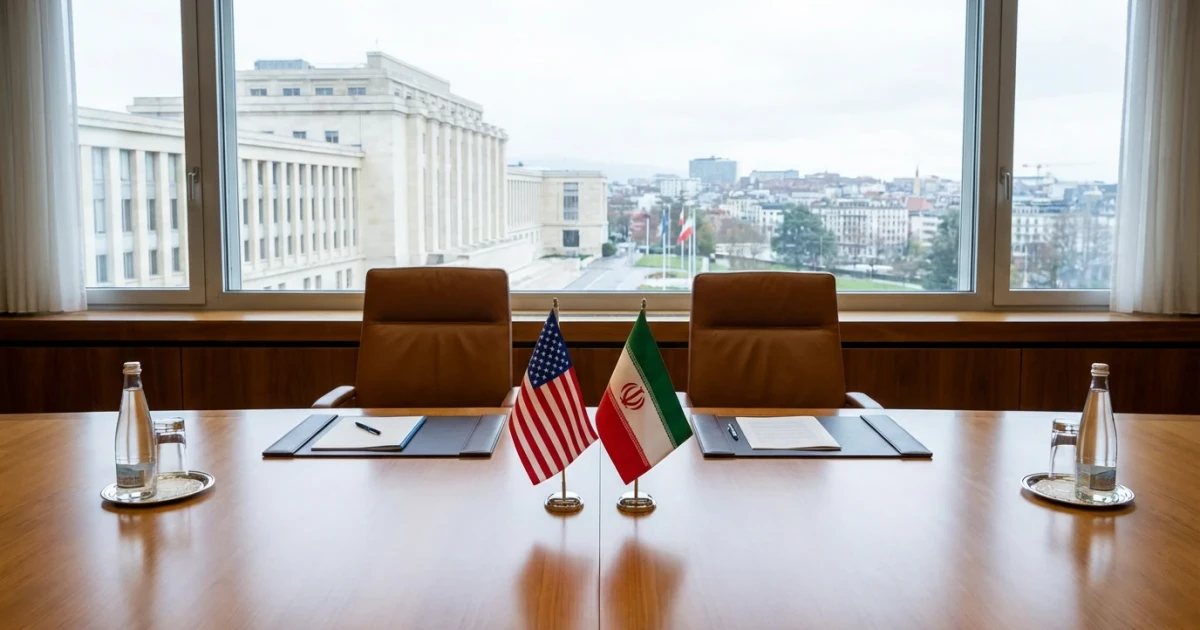
International mediators are stepping up efforts to bring the United States and Iran to the negotiating table this week, seeking to de-escalate tensions and prevent further conflict escalation. According to the Wall Street Journal, diplomats are aiming for a high-level U.S.-Iran meeting by Thursday, with Pakistan playing a key role in relaying American demands to Tehran.
Diplomatic Push for Direct Talks
As the conflict between the U.S. and Iran continues to command global attention, reports indicate that international mediators are intensifying their efforts for a diplomatic breakthrough. The Wall Street Journal highlighted ongoing negotiations, with Thursday set as a tentative date for a possible meeting between U.S. and Iranian officials. The timing is seen as critical, as both sides face mounting pressures at home and abroad to avoid further escalation.
Pakistan’s Role as Intermediary
Pakistan has emerged as a significant intermediary, leveraging its diplomatic relationships with both Washington and Tehran. As reported by multiple outlets, Pakistani officials have relayed U.S. demands to Iranian leadership, acting as a communication bridge during a period of intense distrust. This shuttle diplomacy underlines the importance of third-party actors in breaking deadlocks between adversarial nations.
Key Issues on the Table
While official details remain scarce, several core issues are believed to be driving negotiations:
- Regional security concerns, including ongoing hostilities and the risk of escalation
- Iran’s nuclear program, which has been subject to years of international scrutiny and intermittent negotiations (background on Iran's nuclear activities)
- Sanctions relief and economic pressures on Iran, which remain central to Tehran’s demands
- The status of UN sanctions and international arms embargoes
Past attempts at direct dialogue have often stalled over these very topics, but the current urgency has prompted renewed diplomatic engagement.
International Reactions and Stakes
Global powers are closely watching the mediation process. The stakes are high: a failure to achieve even a preliminary agreement could further destabilize the region, while successful talks could open the door to broader negotiations on nuclear and security issues. Experts tracking the balance of military capabilities in the region note that both sides have incentives to avoid open warfare, but mistrust and competing interests complicate the path to resolution.
Outlook
The coming days will be crucial as mediators attempt to convene U.S. and Iranian officials for direct talks. While the prospects for a breakthrough remain uncertain, the active involvement of countries like Pakistan and persistent diplomatic pressure have created a fleeting window of opportunity. Observers note that even a limited agreement could help calm tensions and lay groundwork for more substantive negotiations in the future.