Politics
Medicaid and SNAP cuts could reshape Nevada governor race
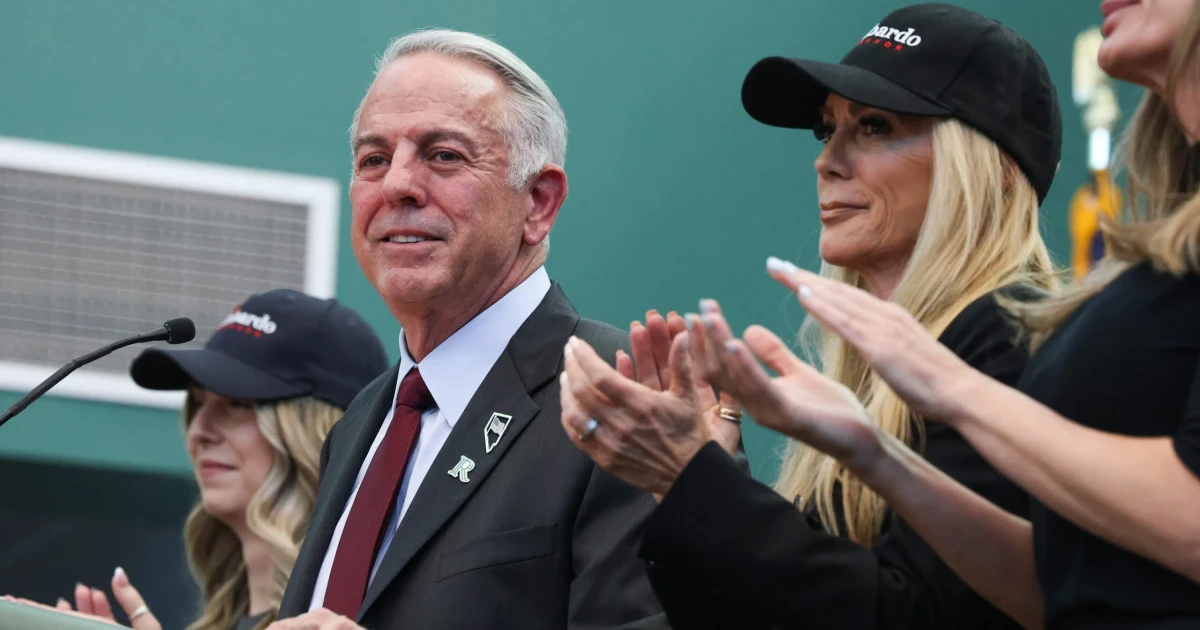
Nevada’s governor race is shaping up as a referendum on whether families can still afford to get covered, get care and get by. For Republican Gov. Joe Lombardo, Medicaid and SNAP are not separate policy fights but one political test: whether federal cuts and rising coverage losses will land hard enough in a state built on low-wage service work to shake off party loyalty.
The stakes are especially sharp in Nevada, where tourism, hospitality and gaming dominate the labor market and nearly 300,000 residents are self-employed, independent contractors or freelancers without employer-sponsored health insurance. The state’s ACA marketplace enrollment fell 5.5% this year after a record 110,000 people signed up for 2025, and Nevada’s uninsured rate reached 11.4% in 2024, the fourth-highest in the nation. A state Medicaid official told lawmakers in May that about 70,000 Nevadans could lose Medicaid coverage under the new rules, while around 28,000 people lost access to SNAP that same month.
That pressure lands in a state where health coverage already carries unusual political weight. An American Cancer Society Cancer Action Network poll released Aug. 27, 2024 found that 85% of Nevada voters said a candidate’s position on affordable, comprehensive health coverage was a vote-determining factor. That helps explain why Lombardo moved early, releasing a Medicaid priorities letter on Feb. 26, 2025, as budget reconciliation talks took shape, then responding on Oct. 24, 2025 to Nevada congressional Democrats’ call for temporary state SNAP funding.

The SNAP picture is just as stark. In October 2025, Nevada said about 495,000 people were receiving USDA SNAP benefits and about $90 million in benefits was issued each month. The state said 70% of SNAP households reported some type of income and 28% reported earned income, underscoring how many working households still depend on the program. Nevada also warned that if a federal shutdown extended beyond Oct. 31, federal funding would be insufficient to cover November benefits.
Even Nevada’s own coverage backstop is strained. The state’s new public option plans, launched last fall, drew more than 10,000 enrollees in the first open-enrollment period, less than a third of what officials projected. The program is only the third state public option, after Washington and Colorado, and researchers say it is unlikely to offset federal subsidy cuts on its own. With more than 640,000 Nevadans already relying on Medicaid after the state’s 2014 expansion, the governor’s reelection math now runs through household budgets as much as party registration.
Sources
- [1]cbsnews.com
- [2]kffhealthnews.org
- [3]fightcancer.org
- [4]gov.nv.gov
- [5]usafacts.org
- [6]kff.org
- [7]thenevadaindependent.com