Science
Medical Episode in Space Highlights Astronaut Health Risks
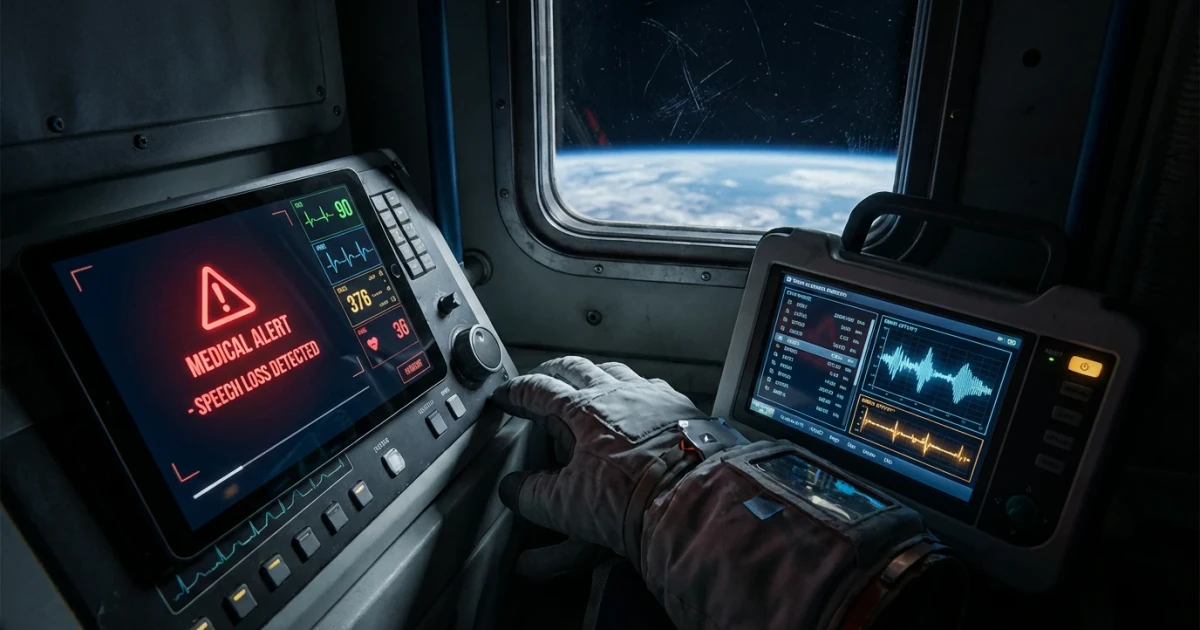
A recent medical incident involving a NASA astronaut who abruptly lost the ability to speak during a mission has renewed focus on the health risks astronauts face in space and the challenges of managing medical emergencies far from Earth.
Mystery Medical Episode Raises Alarms
The event, first reported by Live Science, involved a NASA astronaut who experienced a sudden and unexplained inability to speak while aboard the International Space Station (ISS). The episode was described as a "mystery medical event" because the root cause was not immediately apparent, and the astronaut’s speech loss was both acute and unexpected. The incident did not result in lasting harm, but it has sparked renewed discussion among space medicine experts and mission planners about the unique health hazards of long-duration spaceflight.
Understanding Medical Risks for Astronauts
Medical emergencies in space present a unique challenge due to the remote and resource-limited environment. According to peer-reviewed studies, astronauts are at increased risk for a variety of neurological events, including speech disturbances, visual changes, and cognitive impairment, due to factors such as microgravity, radiation exposure, and isolation. The NASA Human Research Program has long documented the risks of altered neurophysiology in space, highlighting the need for improved monitoring and emergency protocols.
- Space missions expose crew to microgravity-induced physiological changes that can impact the brain and nervous system.
- Medical emergencies in orbit are rare but have included cardiac arrhythmias, infections, and neurological events, as seen in NASA’s health records.
- Communication delays—especially on missions beyond low Earth orbit—can complicate remote diagnosis and treatment.
Challenges of Diagnosing and Treating Space Medical Events
Health professionals on the ground are typically able to consult with astronauts in real time aboard the ISS, but as missions venture further into space, these communications may be delayed by minutes or even hours. This raises concerns about the crew’s ability to handle sudden health crises, particularly neurological episodes that may impair speech, movement, or cognition. The latest research reveals that spaceflight-induced neurocognitive changes are still not fully understood, underscoring the unpredictability of medical emergencies in space settings.
Organizations such as NASA and the European Space Agency (ESA) are conducting ongoing studies to better understand and mitigate these risks. Their research covers everything from improved onboard medical kits to autonomous diagnostic tools and telemedicine protocols.
Preparing for the Next Generation of Space Exploration
As human spaceflight ambitions expand to include extended missions to the Moon and Mars, the medical risks grow more complex. The NASA Human Research Program is prioritizing research into neural and cognitive health, while recent reviews recommend new approaches to in-flight medical training and emergency response planning. Solutions under consideration include advanced monitoring devices, artificial intelligence-driven diagnostics, and improved pharmaceutical supplies for deep space missions.
Key Takeaways
- The astronaut’s temporary loss of speech highlights how spaceflight poses unique neurological risks.
- Effective medical response in space remains a critical challenge, especially as missions venture further from Earth.
- Ongoing research aims to reduce uncertainties and improve astronaut safety through better risk assessment, technology, and training.
While the affected astronaut has reportedly recovered, the incident serves as a cautionary tale for agencies planning deep space missions. Continued investment in medical research and emergency preparedness will be essential to safeguard the health of future space crews as humanity pushes further into the cosmos.