Sports
Medical examiner rules Brandon Clarke died of accidental overdose

The Los Angeles County Department of Medical Examiner ruled Brandon Clarke’s death accidental, saying the Memphis Grizzlies forward died in May from the effects of heroin and cocaine. Clarke was 29.
Clarke was found dead on May 11 inside a home in the San Fernando Valley, near Los Angeles. Early reports had said the death was being investigated as a possible overdose and that drug paraphernalia was found at the scene before the medical examiner issued a final ruling.
Clarke spent his entire NBA career with the Memphis Grizzlies after being selected in the 2019 NBA Draft out of Gonzaga. At Gonzaga, he emerged as a standout and built a reputation for shot-blocking and high-flying play that carried over into the NBA.
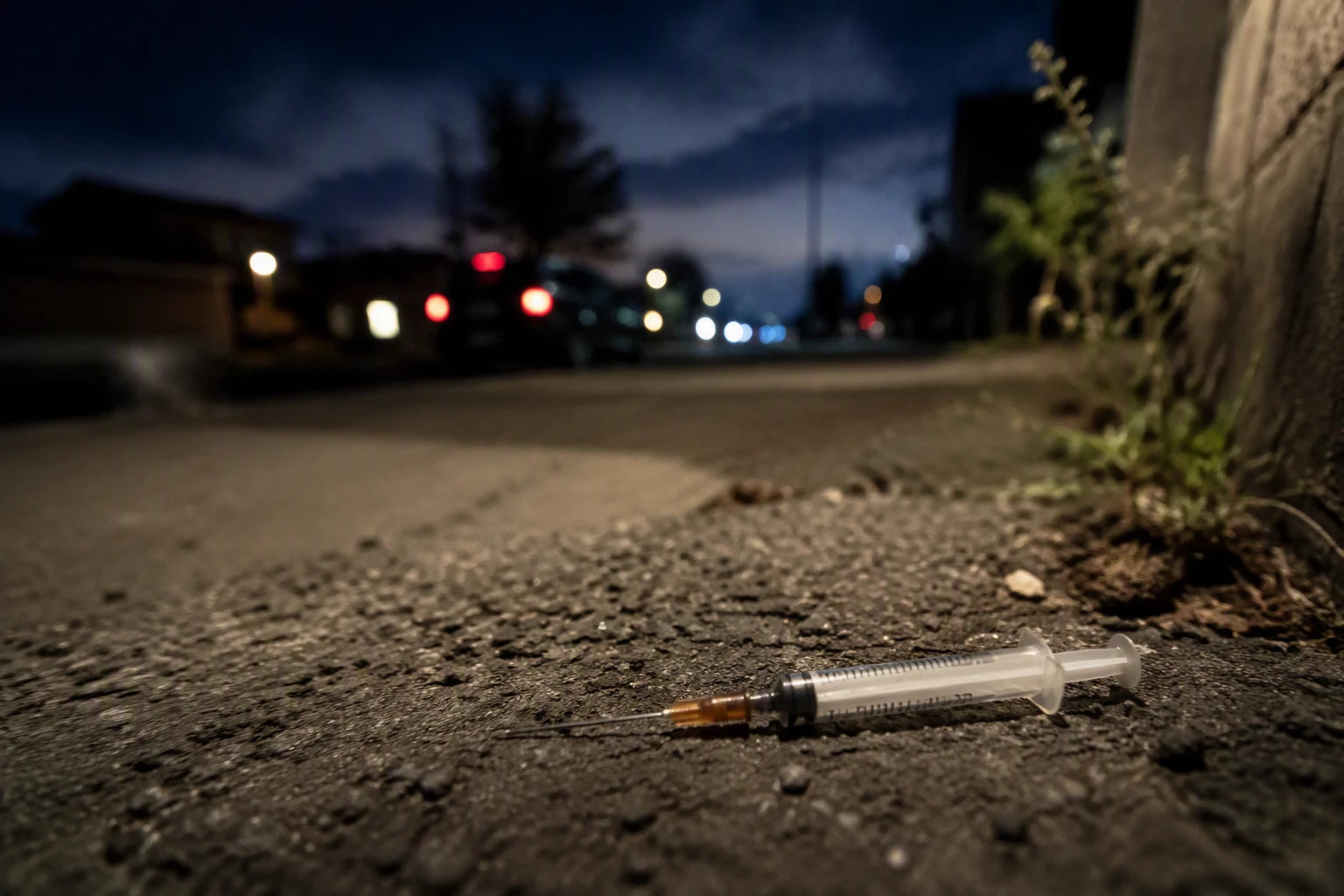
The ruling closes the formal question of cause and manner of death, but the circumstances around Clarke’s case point to a persistent public-health problem inside elite sports: substance use can remain hidden until it becomes a crisis. Reporting around Clarke described him as a beloved teammate with a warm, kind spirit, and the Grizzlies said they were heartbroken by his tragic loss. Another report said he had recently established his own foundation and was committed to pouring into kids, a detail that made his death hit harder inside the basketball community.
The NBA and the National Basketball Players Association have built support structures meant to catch players before a crisis reaches this point. NBA Mind Health says it supports the mental well-being of the NBA, WNBA, G League, Basketball Africa League and 2K League player, coach and referee communities, and its network includes licensed mental health providers, mental performance consultants and psychiatrists. The NBPA also maintains Player Health & Wellbeing resources, including NBPA-vetted concierge medical services at teampd@nbpa.com and private, confidential wellbeing services at playerwellbeing@nbpa.com.

Those systems matter because stigma still shapes whether athletes seek help early, especially for substance use. Clarke’s death shows how addiction risk can cut through status, visibility and access, and why leagues and unions are judged not only by the programs they announce, but by whether those programs are easy to use, confidential and trusted enough to reach players before a loss becomes permanent.
Sources
- [1]cbsnews.com
- [2]nbcnews.com
- [3]apnews.com
- [4]krem.com
- [5]nytimes.com
- [6]usatoday.com
- [7]me.lacounty.gov