Science
Medical Mystery Forces Astronaut’s Emergency Return
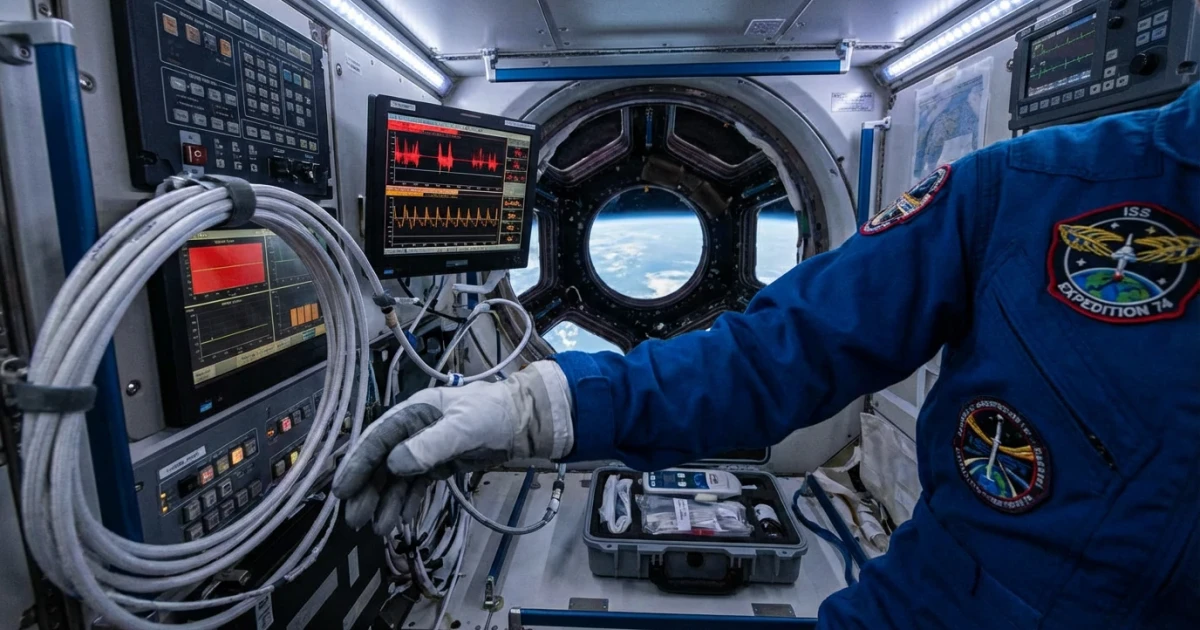
A NASA astronaut’s unexpected medical emergency aboard the International Space Station (ISS) has drawn renewed attention to the risks of spaceflight, following an incident that prompted an urgent evacuation and left the crew and mission control scrambling for answers.
A Sudden, Unexplained Crisis
The episode occurred earlier this week, when an American astronaut on a long-duration ISS mission suddenly lost the ability to speak. According to reporting from The New York Times, the nature and cause of the condition remain undiagnosed, with NASA officials and medical experts continuing to analyze data and assess possible triggers. The medical event was deemed severe enough to initiate an emergency evacuation protocol, returning the astronaut to Earth for advanced medical evaluation.
Instances of serious health emergencies in space are rare, but the incident underscores the complexity and unpredictability of medical risks for humans in space. NASA’s official medical risk guidelines highlight a spectrum of potential issues, from minor ailments to neurological events, with variable likelihood and outcomes depending on mission duration, individual health, and available resources.
Challenges of Inflight Medical Care
While the ISS is equipped with an array of medical supplies and protocols—as detailed in NASA’s official record of medical capabilities—the station is not designed to manage all possible emergencies, especially those involving neurological symptoms or conditions requiring rapid diagnostic imaging. Crew medical officers are trained to address common issues, but advanced diagnostics and interventions are often impossible without Earth-based assistance.
- Evacuation from the ISS can take several hours, depending on orbital position and vehicle readiness.
- Medical equipment aboard the ISS is limited to basic diagnostic tools, defibrillators, and emergency medications, but does not include advanced imaging or surgical capacity.
- Communication delays and limited bandwidth can complicate real-time telemedicine support from Earth.
Peer-reviewed analysis in the journal Medical Issues for Astronauts on the International Space Station notes that most inflight medical incidents have historically been minor, with musculoskeletal injuries, rashes, and headaches among the most common. However, the physiological effects of microgravity—such as fluid shifts, immune suppression, and changes in intracranial pressure—can create unexpected vulnerabilities.
Ongoing Investigation and Unanswered Questions
NASA has not released further details on the astronaut’s condition, citing privacy concerns and the need for continued evaluation. The event remains a mystery, with no public confirmation of whether the cause was a neurological event, stroke, or another acute medical issue. The New York Times reported that the astronaut was unable to speak during the episode, a symptom that can be associated with a range of potential diagnoses, including transient ischemic attacks or other disruptions in brain function.
According to NASA’s Human Research Program evidence report, the risk of adverse health outcomes and decrements in performance due to inflight medical conditions is a high-priority research area, especially as space agencies plan for longer missions to the Moon and Mars. The complexity and limited resources of space medicine mean that prompt identification, mitigation, and, when necessary, evacuation remain critical for crew safety.
Implications for Future Missions
This incident has prompted renewed scrutiny of medical contingency planning for spaceflight. With international partners and commercial spaceflight operators increasingly involved in ISS operations, robust emergency protocols and telemedicine support are more vital than ever. NASA and its partners continue to conduct research on human health risk mitigation aboard the ISS, but the recent medical mystery highlights the unpredictable nature of health in microgravity and the importance of rapid, flexible response systems.
Concluding Perspective
As the ISS program moves into its third decade, the balance between exploration and safety remains delicate. This latest emergency evacuation is a reminder that despite stringent screening and training, astronauts are not immune to sudden health crises—and that comprehensive spaceflight-associated medical risk management is essential for the future of human activity beyond Earth.