Health
Medicare Advantage plans face scrutiny over denied rehab and nursing care
The most vulnerable moment for many older adults comes after the hospital discharge order is signed. When a patient is ready for inpatient rehabilitation or skilled nursing care, Medicare Advantage plans can still block the next step, turning recovery into a waiting game for seniors and the families trying to help them heal.
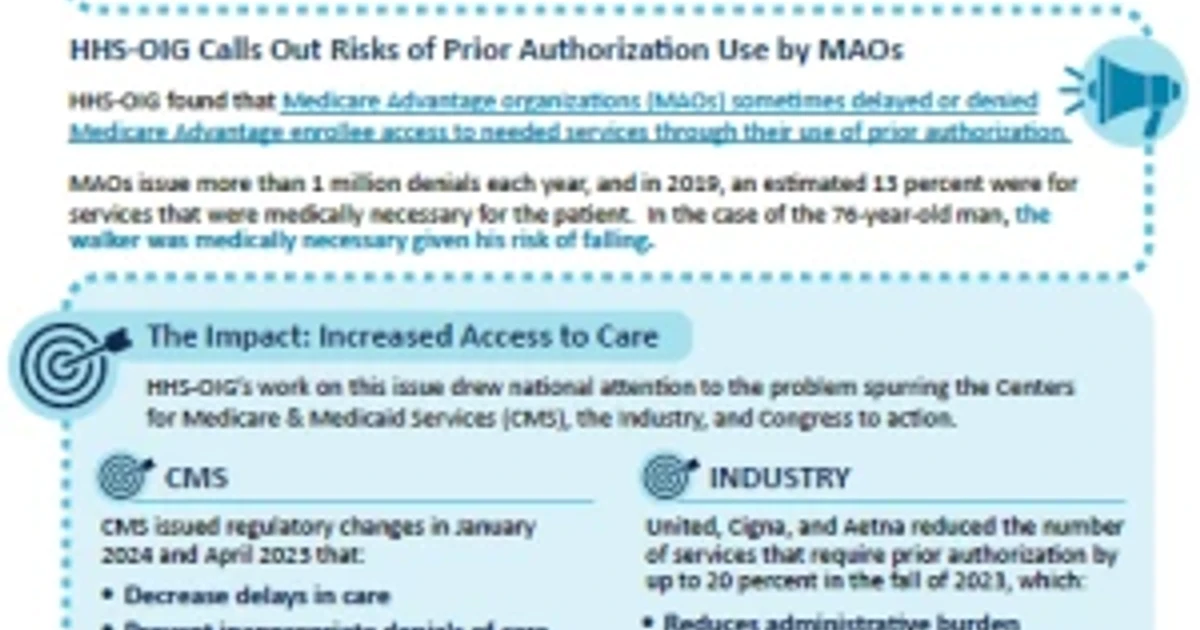
That pattern has drawn repeated warnings from federal investigators. In a 2022 review, the U.S. Department of Health and Human Services Office of Inspector General sampled 250 prior authorization denials and 250 payment denials from 15 large Medicare Advantage organizations during June 1 through June 7, 2019. Investigators found that plans sometimes delayed or denied access to medically necessary services even when requests met Medicare coverage rules, including advanced imaging and post-acute facility stays such as inpatient rehabilitation.
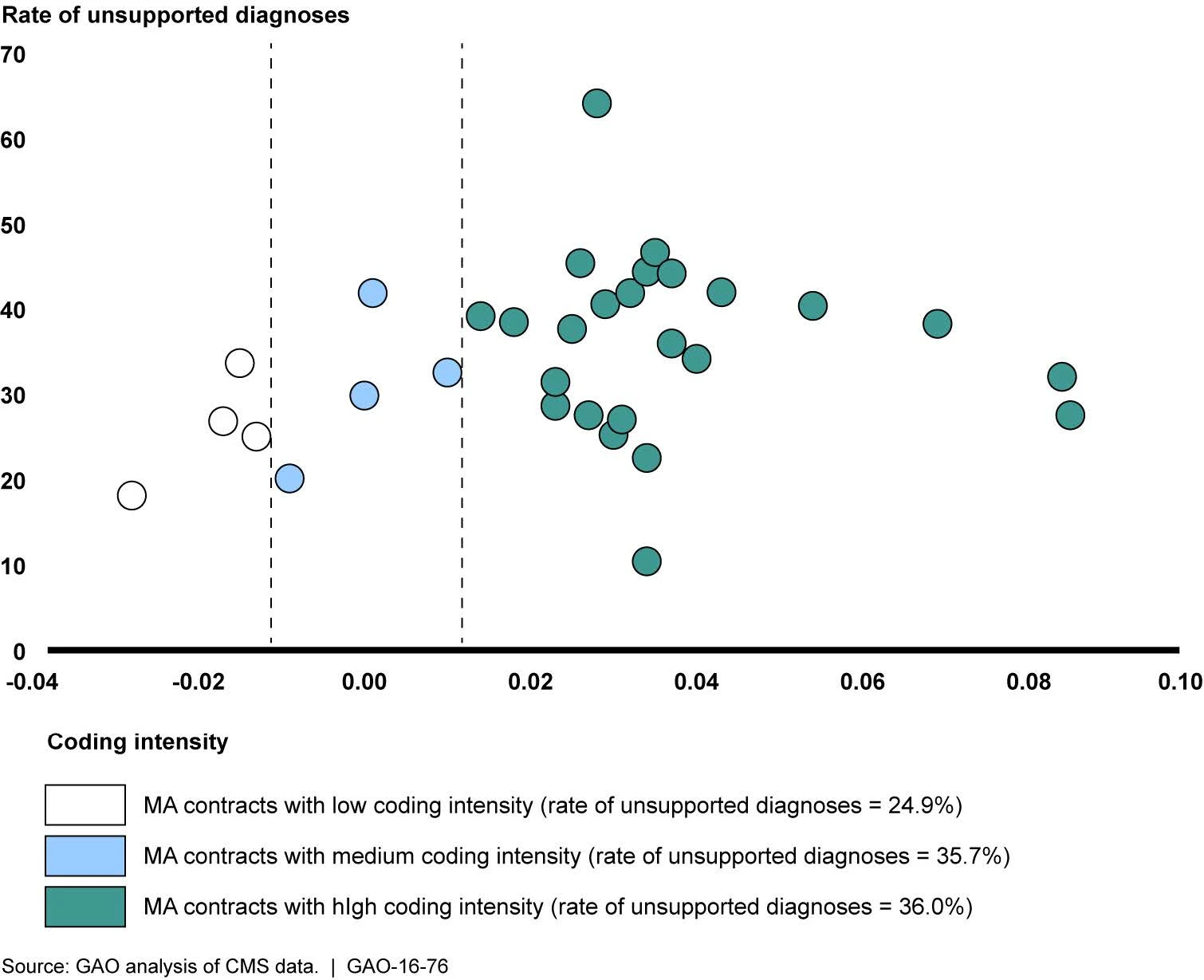
The scrutiny intensified in Washington when the Senate Permanent Subcommittee on Investigations released a majority staff report on October 17, 2024. The inquiry focused on UnitedHealthcare, Humana and CVS Health’s Aetna, and found that each denied prior authorization requests for post-acute care at far higher rates than for other types of care between 2019 and 2022. The report said the companies used predictive technology, including artificial intelligence, in ways that helped increase denials. Together, those insurers covered about 60% of Medicare Advantage enrollees.

Post-acute care groups said the consequences are immediate. The American Medical Rehabilitation Providers Association, the American Health Care Association/National Center for Assisted Living, the National Association of Long Term Hospitals, the National Alliance for Care at Home and LeadingAge said denials and delays harm patients recovering from serious injuries, illnesses, disabilities and chronic conditions. Hospitals and health systems told lawmakers that prior authorization can slow transitions of care by days or weeks, leaving families to bridge gaps that should be covered by rehab or nursing facilities.
The scale of the issue remains large. KFF reported in January 2026 that nearly 53 million prior authorization requests were submitted to Medicare Advantage insurers in 2024, and 4.1 million were denied, a rate of 7.7%. KFF also found that virtually all Medicare Advantage enrollees, 99%, are required to obtain prior authorization for some services, especially higher-cost care. The Centers for Medicare & Medicaid Services finalized a prior authorization interoperability rule on January 17, 2024, to improve health information exchange and streamline approvals, and its Medicare Advantage and Part D final rule added continuity-of-care requirements meant to reduce disruptions.
The U.S. Department of Health and Human Services Office of Inspector General says its work on Medicare Advantage prior authorization helped spur action from CMS, insurers and Congress. For seniors leaving the hospital, that leaves a stark reality: the hardest part of recovery can begin only after a plan decides whether care will start.
Sources
- [1]nytimes.com
- [2]oig.hhs.gov
- [3]hsgac.senate.gov
- [4]blumenthal.senate.gov
- [5]kff.org
- [6]cms.gov
- [7]content.govdelivery.com
- [8]amrpa.org
- [9]aha.org