Business
Mega shipping firm treads cautiously as US, Iran near Gulf deal

A fee on ships moving through the Strait of Hormuz would ripple far beyond one disputed waterway. It would feed into freight rates, war-risk insurance and fuel costs across a passage that carries roughly a fifth of the world’s seaborne oil and liquefied natural gas, while Washington has already warned that payments to Iran for safe passage could trigger sanctions.
Vincent Clerc, the chief executive of A.P. Moller-Maersk, said allowing Iran to charge fees in the strait would set a “dangerous precedent” for global trade. His warning came as U.S. and Iranian officials moved toward a framework deal to reopen the waterway, but shipping companies still wanted clearer assurances on mine clearance and security before sending vessels back through the choke point.
The caution is rooted in hard economics. Confidence in resuming transit could take weeks to rebuild, with navigation restarting only once safety is assured. More than 100 tankers were still stranded in the Mideast Gulf area on June 15, and Oil Brokerage said physical freight rates were likely to remain elevated until free passages were proven. The route has been heavily constrained since the war began on February 28, with only limited traffic visible even after the deal announcement.
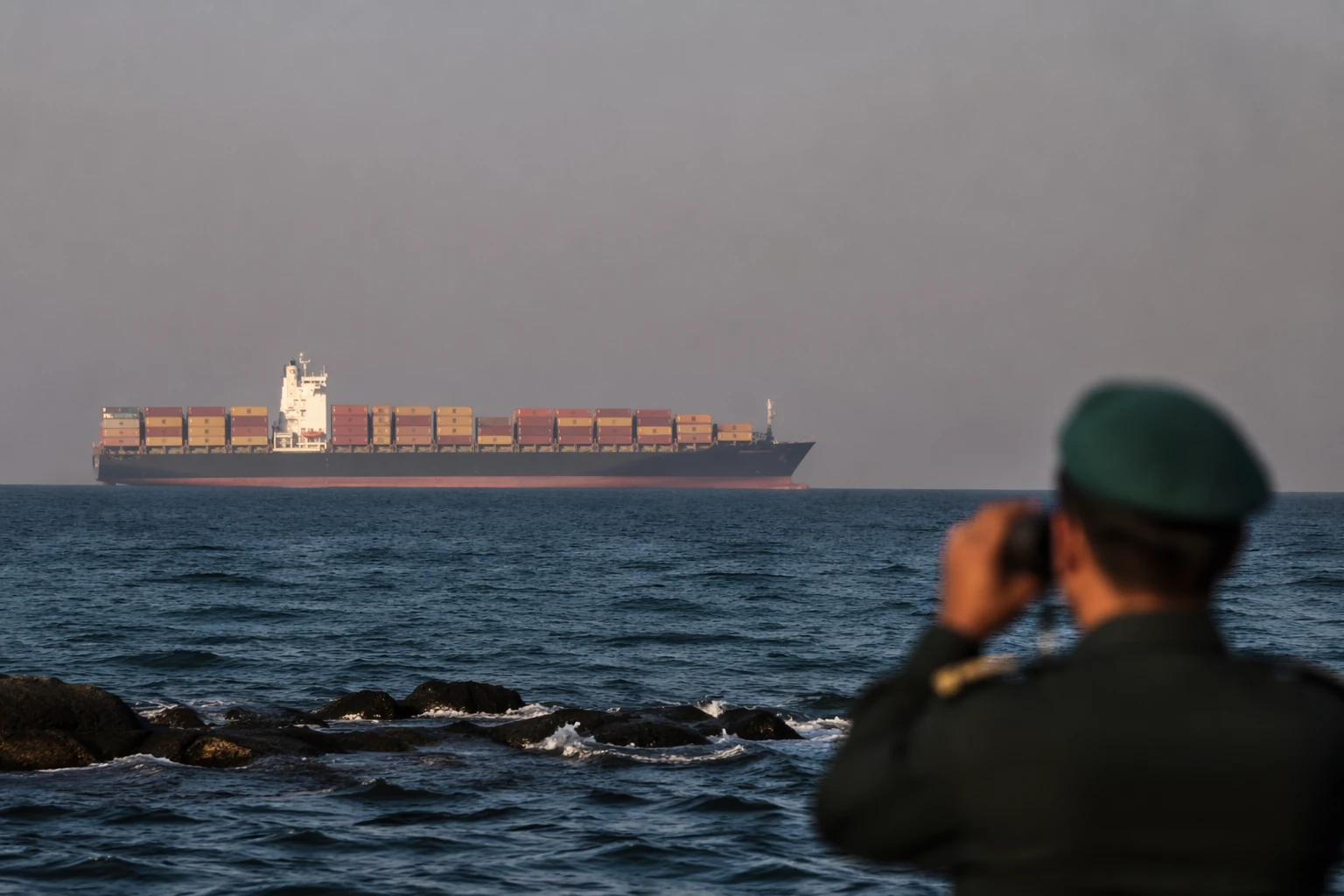
Maersk has already felt the squeeze. In May, Clerc said the conflict had lifted the company’s fuel costs by nearly $500 million a month, costs the carrier said it had been passing through to customers through higher freight charges. That is the broader market danger in Hormuz: if one natural chokepoint can be monetized under pressure, the precedent could embolden other states to test similar leverage over trade routes, adding a new inflationary layer to energy, shipping and supply chains even after the crisis eases.
Sources
- [1]nytimes.com