Health
Men face far higher drowning risk, global data show
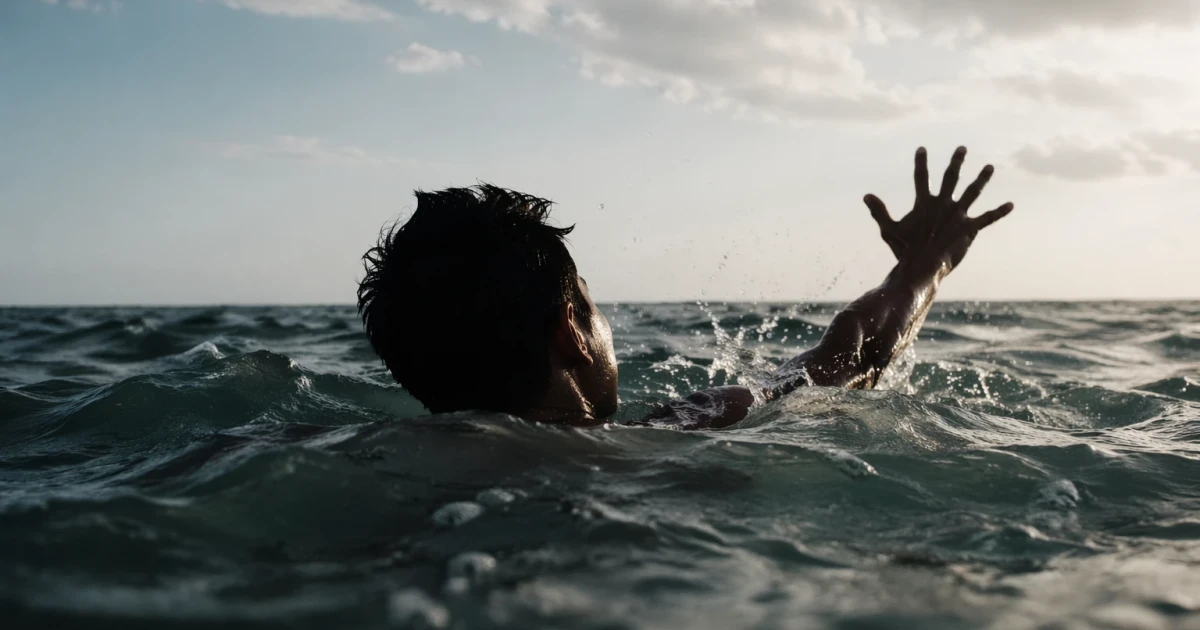
Men died from drowning at 5.1 per 100,000 people worldwide, more than twice the female rate of 2.5 per 100,000, according to the World Health Organization. The agency counted more than 300,000 drowning fatalities in 2021 even after a 38% drop in the global death rate since 2000.
The Centers for Disease Control and Prevention says the same gender gap holds in the United States, where nearly 80% of people who die from drowning are male. The agency links that higher risk to greater exposure to water, risk-taking behavior and alcohol use, a mix that becomes especially dangerous around beaches, lakes and boats.
The pattern is visible beyond U.S. borders. In Germany, men account for roughly three-quarters to more than four-fifths of drowning victims in swimming accidents, a difference large enough to point to behavior and setting, not chance alone.
CDC data show the danger remains high at home as well, with more than 4,000 unintentional drowning deaths each year in the United States. The agency says death rates rose during 2020, 2021 and 2022 compared with 2019, underscoring how quickly the toll can climb when more people are in the water and safety precautions slip.
One major weakness is basic swimming access. In the CDC’s 2024 Vital Signs report, 54.7% of U.S. adults said they had never taken a swimming lesson. That gap matters because the agency’s prevention guidance for teens and adults centers on three concrete steps: cut alcohol use around water, build basic swimming and water-safety skills, and wear life jackets.
WHO’s 2024 Global status report on drowning prevention is meant to benchmark country progress and push targeted prevention efforts. The CDC’s U.S. National Water Safety Action Plan takes a similar approach, setting out a 10-year roadmap for collective action. Together, the data point to a public-health disparity that is preventable, but only if campaigns speak directly to the situations where men are most often killed: drinking near water, overestimating their ability, and entering open water without the protection that saves lives.
Sources
- [1]medscape.com
- [2]who.int
- [3]iris.who.int
- [4]cdc.gov