Sports
Messi and Mbappé shine in record-breaking World Cup opener
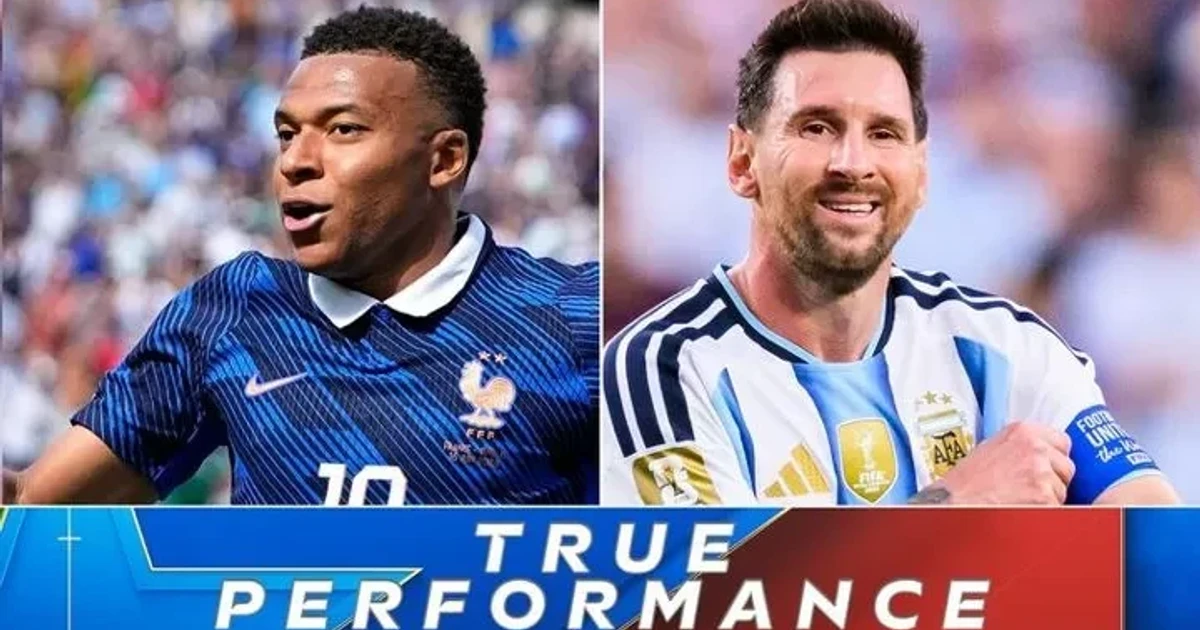
The World Cup announced itself with a burst of goals that felt almost excessive, even by tournament standards. Across 24 matches, the first round produced 75 goals, a 3.12-per-game pace that is the highest in 68 years, and five own goals, the most ever in a single round. In the expanded 48-team format, that combination of star power, openness and chaos says as much about the shape of the tournament as any single result.
A record pace from the start
FIFA's statistical snapshot of the opening round reads like a statement of intent: this was not a cautious tournament introduction, but an attacking one. The average of 3.12 goals per match is the best since Sweden 1958, and it instantly frames the competition as one that is rewarding ambition, not restraint.
That matters because the first round also produced five own goals, a record for a single round of the tournament. Put together, the numbers suggest a World Cup where pressure is constant, margins are thin, and defensive mistakes are being punished at speed.
Messi set the first benchmark
Lionel Messi did more than score, he defined the early scoring race with a triplet against Algeria. By the end of the first round, he stood alone at the top of the tournament's scoring chart, a position that gives the opening days a distinctly familiar feel, with the game's most decorated playmaker once again central to the World Cup narrative.
His performance carried an extra layer of significance because two of his three goals came from outside the area. That detail is not just decorative, it is a reminder that the tournament's first elite finish was also a distance shot, a sign that individual technique can still break open a game even in a fast-moving collective contest.
Mbappé kept the star duel alive
Kylian Mbappé finished the round with two goals, enough to keep him among the leaders and preserve the sense that the World Cup's early storyline is already a two-man conversation. Harry Kane and Erling Haaland also sit on two goals, which keeps the race crowded, but Mbappé's presence carries the most obvious tension because he represents both immediacy and threat.
The first round did not hand him the scoring lead, but it confirmed why every touch matters when he is on the field. In a tournament that has opened at full throttle, Mbappé remains the clearest counterweight to Messi's early control.
Long-range finishing became a signature
Messi's two strikes from outside the box gave the opener a stylistic clue that is easy to miss in a flood of scorelines. Long-range finishing is not simply a highlight-reel flourish here, it is a practical answer to packed defenses and compressed space, especially when matches tilt quickly after the first goal.
By reaching six long-distance goals in World Cup play, Messi moved past Roberto Rivellino to become the competition's all-time leader from range. That record underlines a broader theme from the first round: in a tournament this open, the cleanest solution is often the one struck from distance before the defense can settle.
The clubs behind the scoring
The first round also revealed how heavily this World Cup is still powered by Europe’s biggest club pipelines. FIFA's own tally showed Real Madrid as the club contributing the most goals, with four from its players, while the Premier League led all leagues with 17 goals.
That split tells its own story. The World Cup may belong to national teams, but its finishing touch is being refined week after week in club environments that prize speed, repetition and elite decision-making, from Real Madrid to the Premier League and beyond.
Big scorelines widened the field
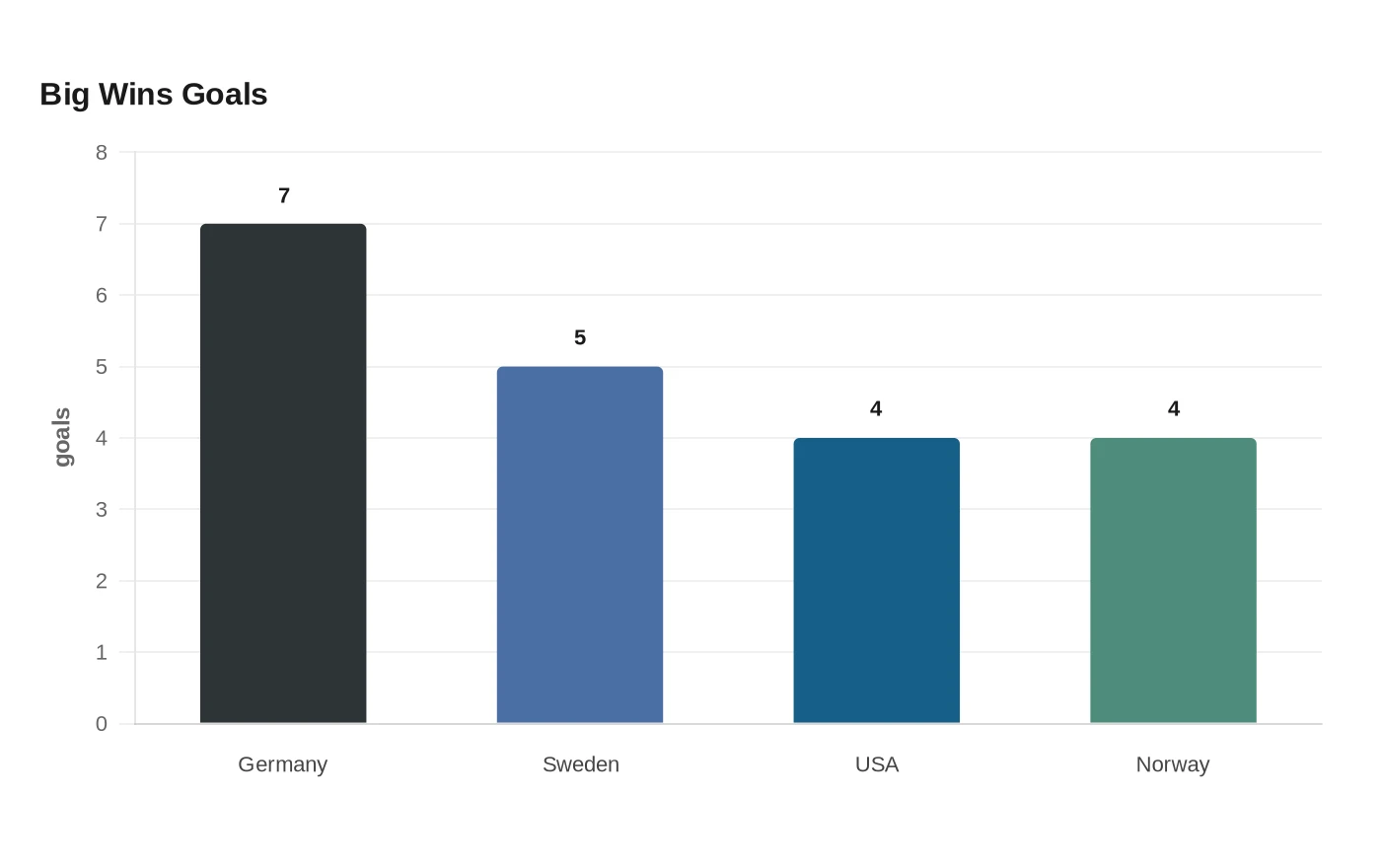
The first round was not just about stars, it was about separation. Germany's 7-1 win over Curacao, Sweden's 5-1 victory over Tunisia, the United States' 4-1 defeat of Paraguay and Norway's 4-1 result against Iraq showed how quickly the tournament can turn when one side finds rhythm and the other cannot answer.
Those margins matter because they reveal the early competitive map. The expanded field has brought more nations to the stage, but it has also made the distance between top-tier finishing and vulnerable defending impossible to ignore.
Own goals exposed the pressure
Five own goals in one round is more than a statistical oddity, it is evidence of how frantic the opening days can become. When the tempo is this high and the attacking movements are this direct, defenders are being forced into decisions with almost no margin for error.
That makes the own-goal record part of the tournament's style rather than a random footnote. The ball is arriving faster, the pressure is arriving earlier, and players under duress are producing the sort of mistakes that only a tournament of this speed can generate.
The Azteca opener turned chippy
The opening match at Estadio Azteca on June 11 added a different kind of drama, with three expulsions in a single game, the first red cards of the tournament. That kind of disciplinary edge rarely appears this early unless the stakes and emotions are already running hot.
It also helps explain why the opening round has felt so combustible. The World Cup has not settled into a cautious rhythm, and the first whistle produced not just goals but a level of confrontation that signals how little space teams are being granted.
The early cast is truly global
The surrounding highlight reel has reinforced the World Cup's scale beyond the biggest names. Coverage from the opening round showcased goals and reactions from Mexico, South Africa, Czechia, Colombia, Portugal and other protagonists, giving the tournament a broader emotional range than the headline duel between Messi and Mbappé alone.
That global spread is important because it shows how quickly the World Cup can become a collection of overlapping stories. The stars may set the pace, but the atmosphere is being built by a wide cast of teams and moments from across the map.
What the first round says about the tournament
After one round, the clearest conclusion is that this World Cup is trending toward speed, openness and attacking risk. The 48-team format is already shaping the competition's texture, with more matches, more scoring and more room for individual brilliance to matter.
Messi's long-range authority, Mbappé's pursuit, the Premier League's scoring weight, the Real Madrid contribution and the rash of blowouts all point in the same direction. This is a tournament that has announced itself as vivid and volatile, and the first round suggests that the goals are not the exception, they are the identity.
Sources
- [1]telemundo.com
- [2]fifa.com
- [3]elheraldo.co
- [4]goal.com