Sports
Messi masterclass ends England's World Cup dreams in Atlanta
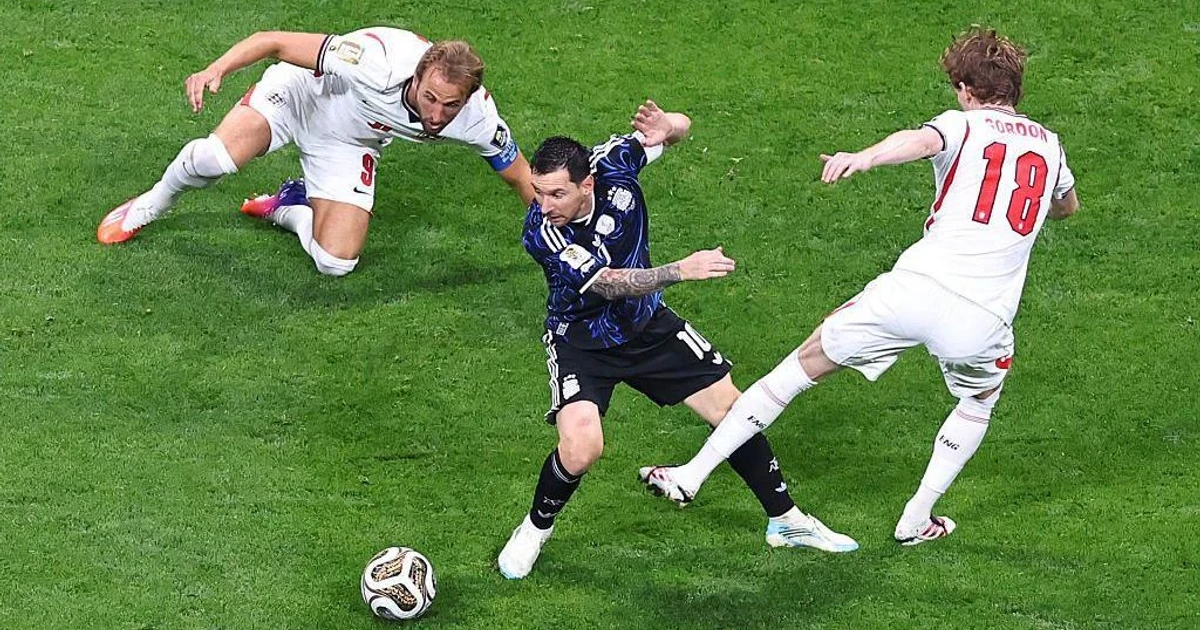
Lionel Messi, Argentina’s all-time leading goalscorer with 125 international goals, met England for the first time in a World Cup semi-final in Atlanta.
A semi-final built around one mismatch
England’s plan was clear: intensity, contact and territory. That logic made sense on paper against a 39-year-old who spends much of his game walking, especially against a side that had “suffered” through the knockout rounds and lacked the energy of other contenders. The problem was that this was not an ordinary 39-year-old.
BBC Sport’s tactical analysis measured Messi walking for 47% of the World Cup. He still produced eight goals and three assists in the tournament and reached his sixth World Cup, a joint record alongside Cristiano Ronaldo and Guillermo Ochoa. That combination of reduced movement and sustained output explains why England’s physical plan was vulnerable from the start: Messi was not trying to beat them with mileage, but with timing, spacing and anticipation.
It was England’s biggest match since winning the 1966 World Cup final at Wembley, and Thomas Tuchel had the chance to lead the national team to its first World Cup final since that same year.
How Messi overturned England’s logic
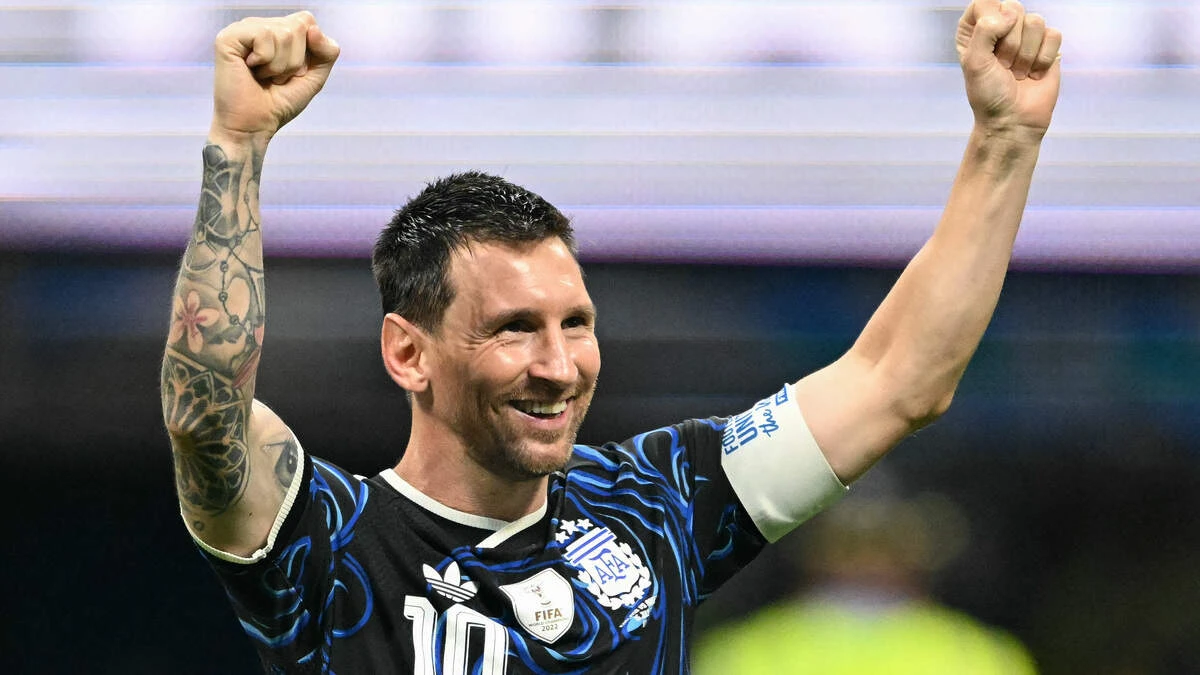
Umir Irfan argued Messi behaved like a coach on the pitch. He did not simply wait for patterns to unfold; he identified England’s plan and altered Argentina’s attacking routes in real time, forcing Tuchel’s side to adjust to him rather than the other way around.
England expected physical pressure to unsettle a player who no longer lives on repeated sprints. Messi instead used his reading of the game to drag defenders out of position and redirect attacks before England could make their pressing feel decisive. In effect, he turned the match into a sequence of tactical corrections, each one revealing that physicality alone was not enough to control a player of his level.
In BBC Sport video analysis, Wayne Rooney, Joe Hart and Micah Richards said England showed Messi and Argentina too much respect. Against a player who thrives on subtle positional errors and hesitation, respect can become passivity, and passivity against Argentina meant giving Messi the time to recognize where England’s shape could be bent.

The numbers that exposed England’s collapse
England had just 12% possession from the 55th to the 92nd minute against Argentina, BBC Sport’s match analysis showed. That was a prolonged surrender of the ball, territory and rhythm in a semi-final that England needed to manage.
Argentina’s 2-1 comeback in Atlanta knocked England out with two late goals. When a team that prides itself on physical dominance ends up pinned down to 12% possession across the final 37 minutes, the issue is control, and Messi was the player who kept redefining where it lived.
Argentina had labored through the knockout rounds, yet Messi still found a way to manipulate the final phase of a match that England needed to make ugly and physical. Instead, Argentina became the side dictating tempo once the game entered its decisive stretch.
What Messi’s performance says about age and authority
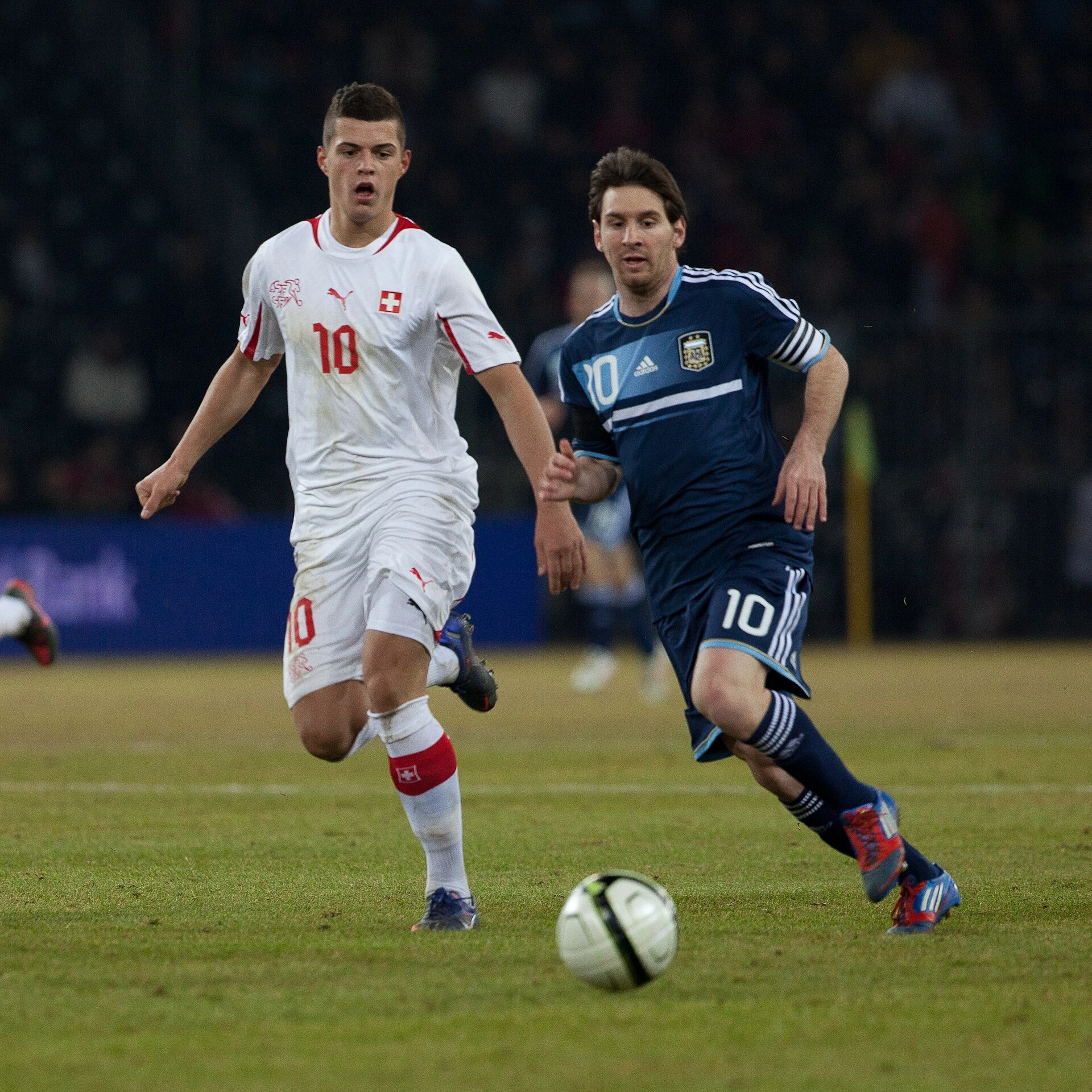
At 39, Messi is no longer a player whose threat depends on pace alone. Physical teams often target age as a weakness, assuming that time will eventually drain the sharpness out of the opponent’s best player. Messi’s World Cup output shows the opposite can happen when intelligence, technique and anticipation remain elite.
His six-tournament record and his eight-goal, three-assist tournament show he has adapted his game without shrinking his influence. BBC Sport’s tactical analysis measured him walking for 47% of the World Cup, a sign of a player choosing when to move and when to let the game come to him.
Sources
- [1]bbc.co.uk
- [2]bbc.com
- [3]the-independent.com