Sports
Messi, Mbappe, Haaland and Kane lead World Cup scoring surge
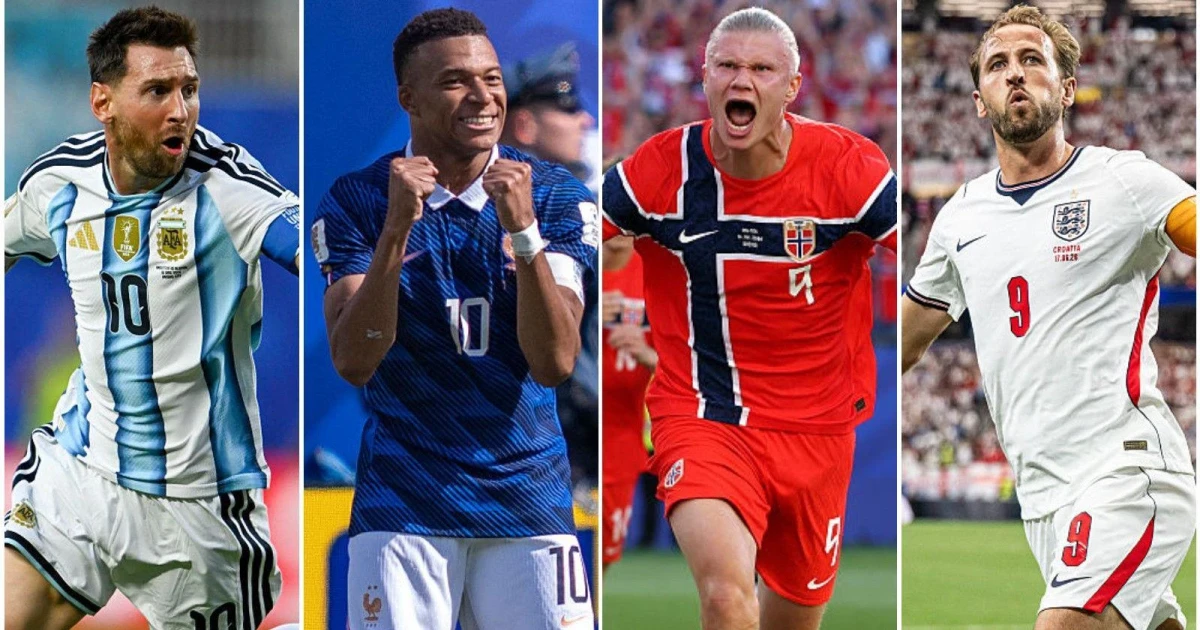
Messi, Mbappe, Haaland and Kane are forcing World Cup defenses into the same uncomfortable truth: no single marker is enough. These attackers do damage in different ways, but they all punish the same weakness, open space at the wrong moment. The safest plan is not to chase one defender-versus-one-star drama; it is to deny the pass, compress the field, and kill the transition before it starts.
Why these four change the game plan
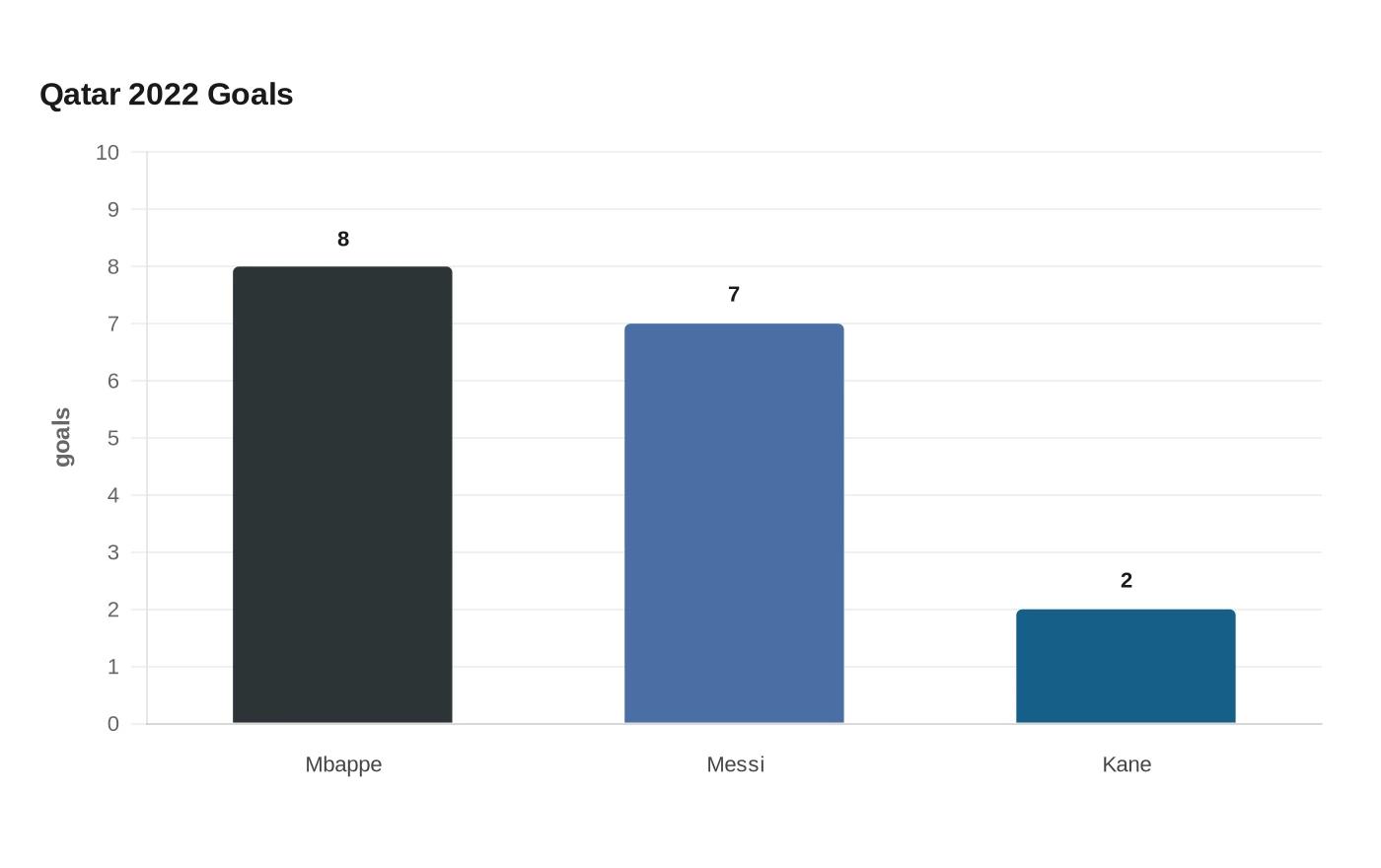
The scale of the threat is not theoretical. At Qatar 2022, Kylian Mbappe finished as the top scorer with 8 goals, Lionel Messi scored 7, and Harry Kane finished with 2, while Messi added 3 assists. FotMob’s tournament numbers went further, crediting Messi with 10 goal contributions and Kane with 5, a reminder that both players hurt opponents in more than one phase of attack.
The final in Doha captured that reality in one match. Messi scored twice and Mbappe answered with a hat-trick in France’s 3-3 draw with Argentina before Argentina won on penalties. FIFA now says Mbappe’s four goals in World Cup finals are the most by any player, which underlines why opponents cannot treat him as just another winger or finisher. He is a big-game scorer who turns small defensive mistakes into decisive moments.
The 2026 tournament has only sharpened the issue. FIFA’s Matchday 6 round-up said Mbappe made France history, Haaland had a World Cup debut to remember, and Messi further cemented his legendary status. Reuters-syndicated coverage added that Mbappe scored twice against Senegal, Haaland scored twice against Iraq, Messi hit a hat-trick against Algeria, and Harry Kane scored twice against Croatia in England’s opening win. The names are familiar; the problem is that their output keeps arriving in different ways.
The first defense is to remove service
Stopping elite scorers starts far from the penalty area. The most effective teams do not wait for the final duel. They disrupt the first pass into the striker’s feet, close the angle into the channel, and force the ball wide before the attack can find rhythm.
That matters differently for each player. Messi thrives when he can receive between the lines, turn, and combine at speed. Mbappe is most dangerous when a quick transition lets him run into space with momentum. Haaland wants early deliveries, cutbacks, and crosses that let him attack the box. Kane can drift deep, connect play, and then arrive late into finishing zones. The common task is not one solution, but the same principle: make the supply uncertain.
How teams shape the field against Messi
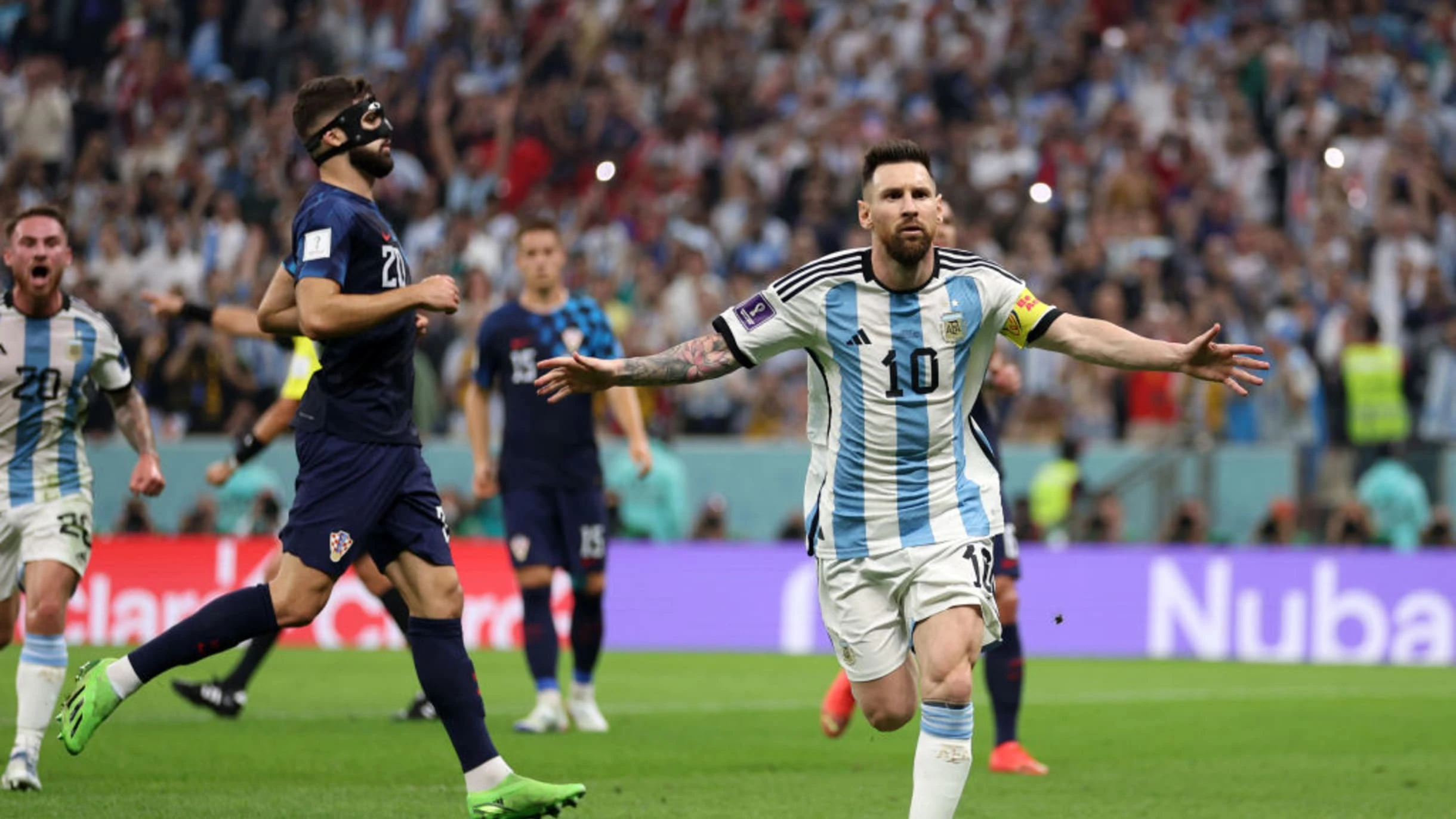
Against Messi, the goal is usually to protect the central lane and deny him the half-turn. A wide player can show him outside, but the real work comes from the nearest midfielder and fullback staying connected so he cannot slip inside and combine. If he receives with time, the entire structure starts to tilt toward him, which is exactly what he wants.
The most disciplined teams keep their back line compact and their midfield line narrow, then resist the urge to overcommit a second defender too early. Messi is brilliant at using extra pressure as a cue to release the ball and reappear in a new pocket. That is why the best plan is often patience: hold shape, close the passing lanes, and force him to play in front of you rather than through you.
Mbappe demands depth control, not panic
Mbappe changes the geometry of a match because one bad step can become a race the defense cannot win. Against him, center-backs need cover behind them and fullbacks need to be selective about how high they push. A team that presses too aggressively without a rest defender can be opened by one direct ball into the channel.
The smarter approach is to keep the back line connected and force him to receive earlier, deeper, and away from the most dangerous central lanes. Mbappe still wants the ball in space, but he is also lethal when he gets inside the box with the play already stretched. That is why teams often protect the space behind their fullbacks and compress the midfield so France cannot turn one pass into a sprint toward goal.
Haaland punishes poor box control
Haaland is a different test because he can make a quiet match feel dangerous in one cross. He does not need a long sequence to hurt you. If the defensive line loses track of the near-post run, or if a cross arrives with no pressure on the crosser, he can finish before the center-backs recover.
The key is to stop the service from the flanks and second balls around the area. Center-backs have to stay connected, win the first contact, and avoid being dragged too high by decoy movement. Haaland’s early World Cup impact in 2026, including his two-goal performance against Iraq, only reinforces that any defense which lets the ball reach him in the box is already in trouble.
Kane is dangerous because he does not stay in one place
Kane asks a slightly different question. He is not only a penalty-box striker, he is also a connector, a passer, and a late runner. If defenders step out to track him when he drops into midfield, they can leave gaps behind. If they stay too passive, he can receive, turn, and start the next attack himself.
That is why Kane often forces a decision between the center-back and the holding midfielder. The cleanest answer is to keep midfield coverage tight and make sure the back line does not get pulled apart. His 2022 numbers, 2 goals and 3 assists, show why he can influence a tournament even when he is not scoring every game. England’s opening win over Croatia, where he scored twice, was a reminder that he can still swing a match when the chances arrive.
What the best defensive systems have in common
The strongest plans against this kind of firepower usually share a few traits:
• A compact midfield block that closes passing lanes before the strikers can face goal. • A disciplined back line that does not chase every movement. • A rest defender or deeper cover to protect against counterattacks. • Heavy attention to wide service, cutbacks, and second balls. • Clear matchup rules so one player is not isolated in open space.
Ashley Williams’s point is the right one: this is a team task, not a one-man mission. A center-back can win the duel and still lose the game if the midfield allows easy service, if the fullback is stranded high, or if a transition opens the middle of the pitch. The defenders who survive against Messi, Mbappe, Haaland and Kane do not simply “mark” them. They shrink the field, slow the rhythm, and make every dangerous touch harder to find.
That is the real lesson of this scoring surge: elite attackers are rarely stopped by being confronted alone. They are stopped when the whole structure denies them time, space, and the kind of delivery that turns talent into goals.
Sources
- [1]bbc.com
- [2]fifa.com
- [3]fbref.com
- [4]sports.yahoo.com
- [5]espn.com