Sports
Messi’s fans savor what could be his final World Cup run
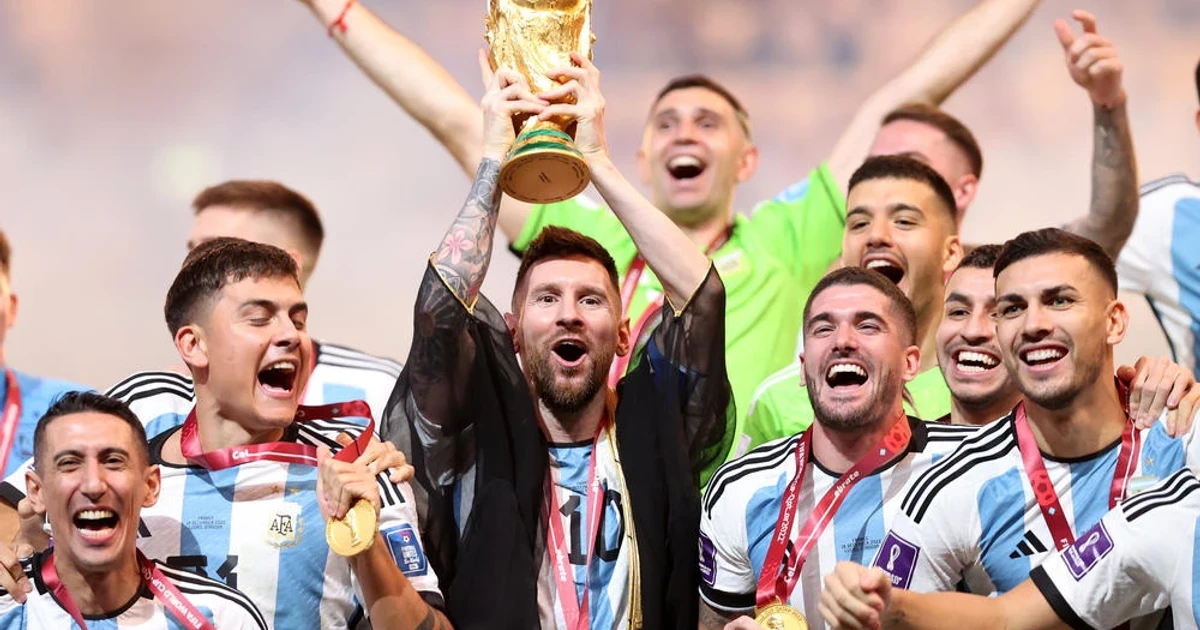
Lionel Messi’s latest World Cup climax came before 88,966 spectators at Lusail Stadium, where Argentina beat France 4-2 on penalties after a 3-3 draw on Dec. 18, 2022. For the fans who had followed him for nearly two decades, the night felt larger than a trophy match: it looked like the closing chapter of a career that had already become impossible to replace.
Messi delivered in every stage that Qatar had to offer. He scored in the group stage, the Round of 16, the quarter-final, the semi-final and the final, the first player ever to do that in a single World Cup. He finished the tournament with seven goals and three assists, and FIFA awarded him the adidas Golden Ball, his second after 2014. By the time the final ended, Messi also held the outright World Cup appearances record with 26 and stood on 16 career World Cup goals, another number that has turned his tournament runs into a public count-down toward the end.
Argentina’s victory carried a weight that reached far beyond one stadium. It ended a 36-year World Cup title drought and gave the country its first men’s World Cup since 1986. It also healed old scars: Argentina had failed to score in its previous two finals, in 1990 and 2014, making the 2022 win feel, for many supporters, like a delayed release after years of near-misses. Kylian Mbappé’s hat trick for France, including two late goals to force extra time, only sharpened the sense that the game belonged to an era defining itself in real time.
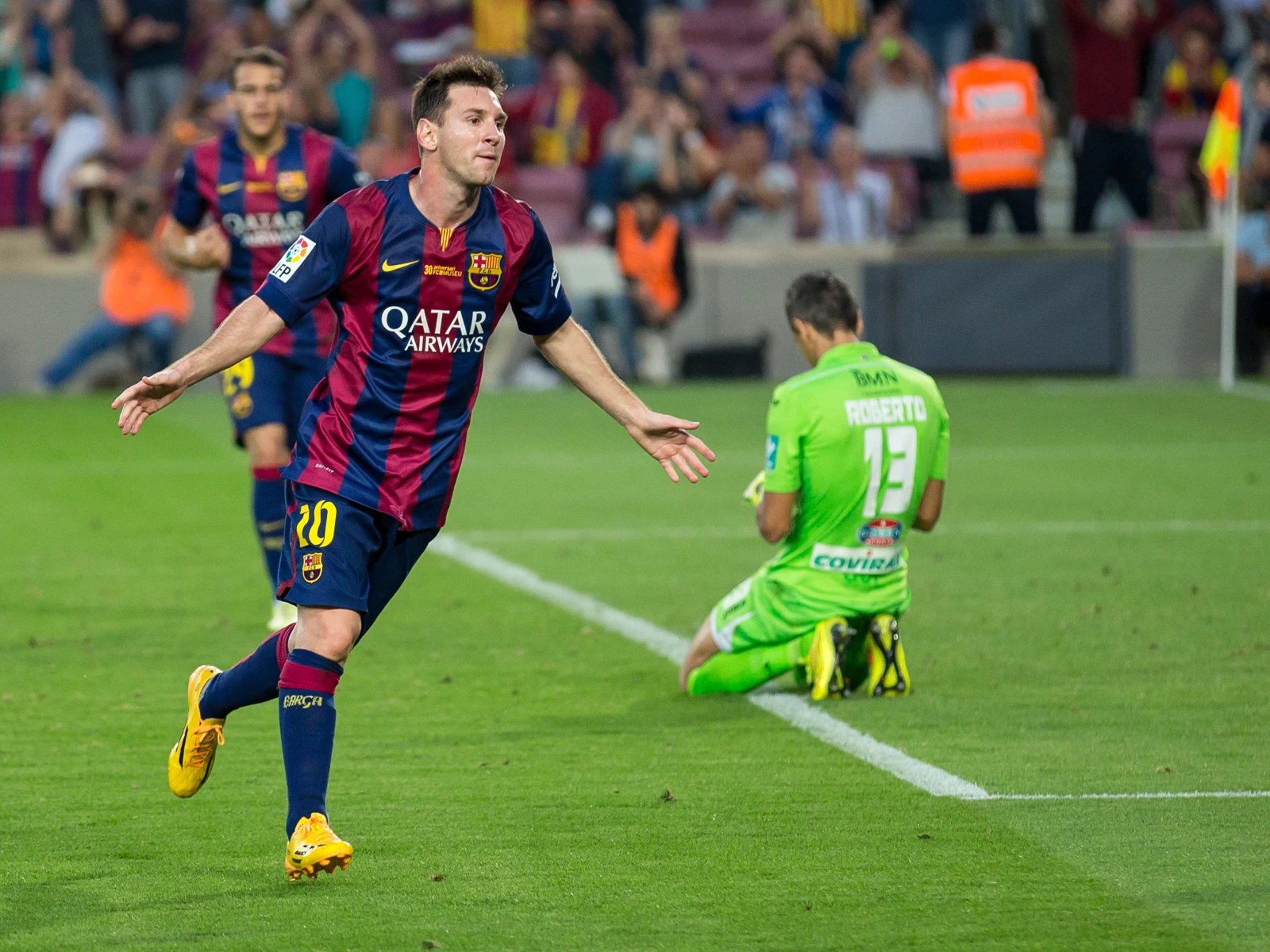
The scale of the Messi phenomenon was measured not only in medals and records but in bodies and screens. FIFA said the 2022 World Cup in Qatar drew 3,404,252 fans across the tournament, a global pilgrimage built around one player’s last great chase. Messi’s Instagram post celebrating the title became the platform’s most-liked post at the time, with 56 million likes, a digital echo of the crowd that had gathered around him in Qatar and then around his victory everywhere else.
Before the final, Messi paused to take photos with two disabled fans, a small act that fit the public life of a player whose every move now reads as part performance, part farewell. In Buenos Aires and far beyond it, Messi’s appeal has shifted from the thrill of arrival to the urgency of witnessing what may be left.
Sources
- [1]nytimes.com
- [2]fifa.com
- [3]quality.fifa.com