World
Met Office warns of developing heatwave as temperatures rise this week

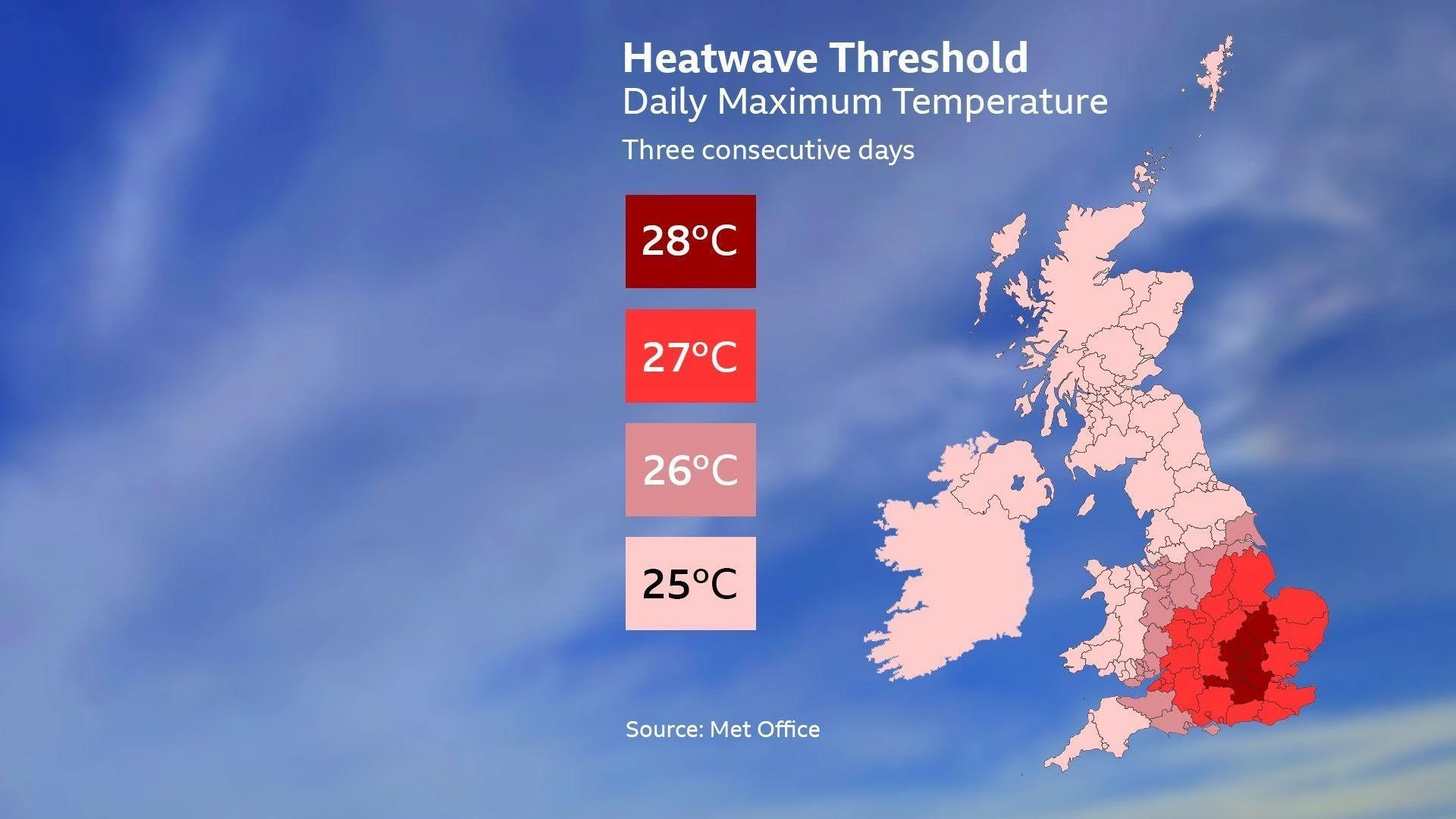
The Met Office warned that temperatures would rise again by the end of the week, with Simon King saying another heatwave could develop if the warm spell lasts long enough. That warning is not just about a few hot afternoons. In the UK, a heatwave is only recorded when a location logs at least three consecutive days with daily maximum temperatures meeting or exceeding its own threshold, which varies by county and is usually around 24C to 27C.
The latest long-range forecast, updated on Thursday 4 June 2026, said temperatures were likely to be near to a little above normal overall from Tuesday 9 June to Thursday 18 June. It added that higher pressure and more settled conditions were expected to become more prevalent later in that period, especially in the south. From Friday 19 June to Friday 3 July, the forecast said the start of the period was likely to be relatively settled for most of the UK, with high pressure nearby bringing drier weather, especially to the south and east. Temperatures were expected to run above normal, with hot conditions at times in the south, before low pressure could bring more heavy showers and thunderstorms later in June.
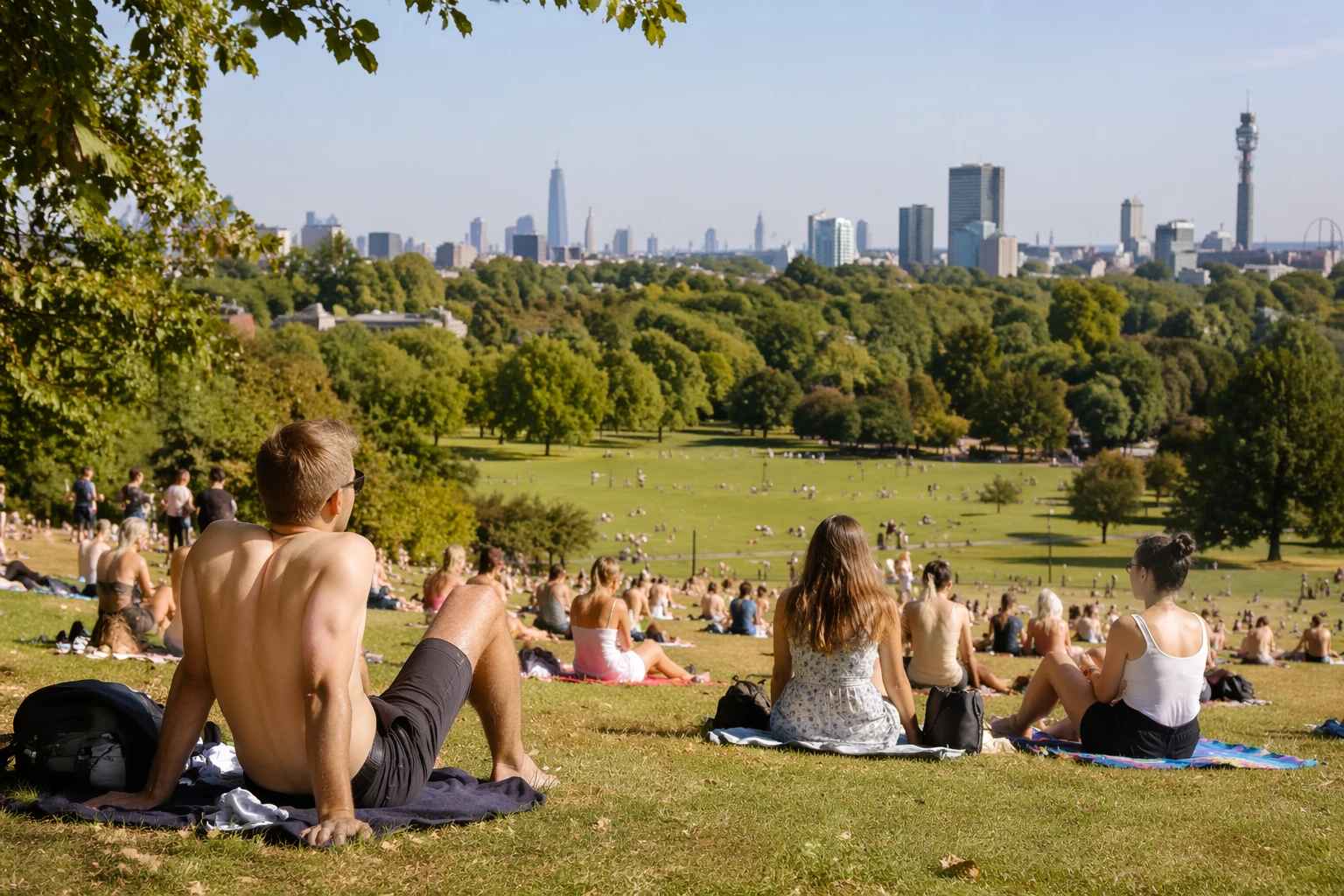
That distinction matters because the Met Office has cautioned that warm weather does not automatically qualify as a technical heatwave. A recent deep dive said the current warm spell would only count if those regional thresholds were exceeded for three days. The agency has also used past extremes to show how unusual prolonged heat can be. In a 2025 analysis, scientists noted that the well-known summer of 1976 brought more than a fortnight above 28C in southeast England, a sustained run that remains a benchmark for severe summer heat.
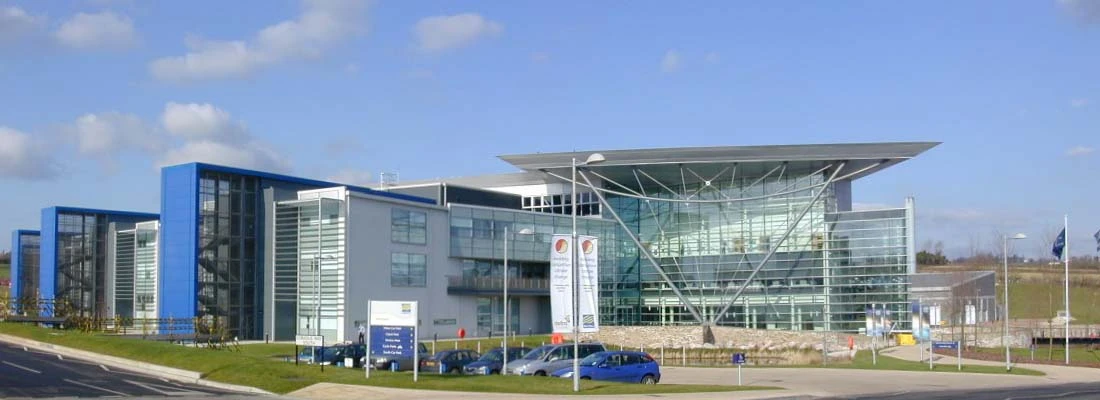
The Met Office’s warning system already includes alerts for extreme heat, and it says the effects become more significant when hot weather combines with humidity, sunshine and light winds. That is the practical test this week and into late June: not whether the country sees one warm weekend, but whether the pattern locks in long enough, and under the right atmospheric conditions, to turn heat into a genuine public-health and infrastructure concern.