Technology
Meta and Anthropic discuss $10 billion AI compute lease deal

Meta Platforms and Anthropic were in talks over a potential $10 billion compute lease deal that would stretch across two years, a scale that puts infrastructure access at the center of the AI arms race. The arrangement would rank among the largest commitments yet tied to model development, where chip clusters, data-center space, networking gear and power now shape how quickly new systems can be built and deployed.
The size of the deal matters because AI competition is no longer only about model quality or product design. Frontier companies need enormous and reliable access to compute, and that means securing specialized chips and the facilities to run them before rivals do. In practice, a lease on this scale would give a company the ability to expand training runs, shorten development cycles and keep pace in a market where speed can determine whether a model becomes a standard or falls behind.
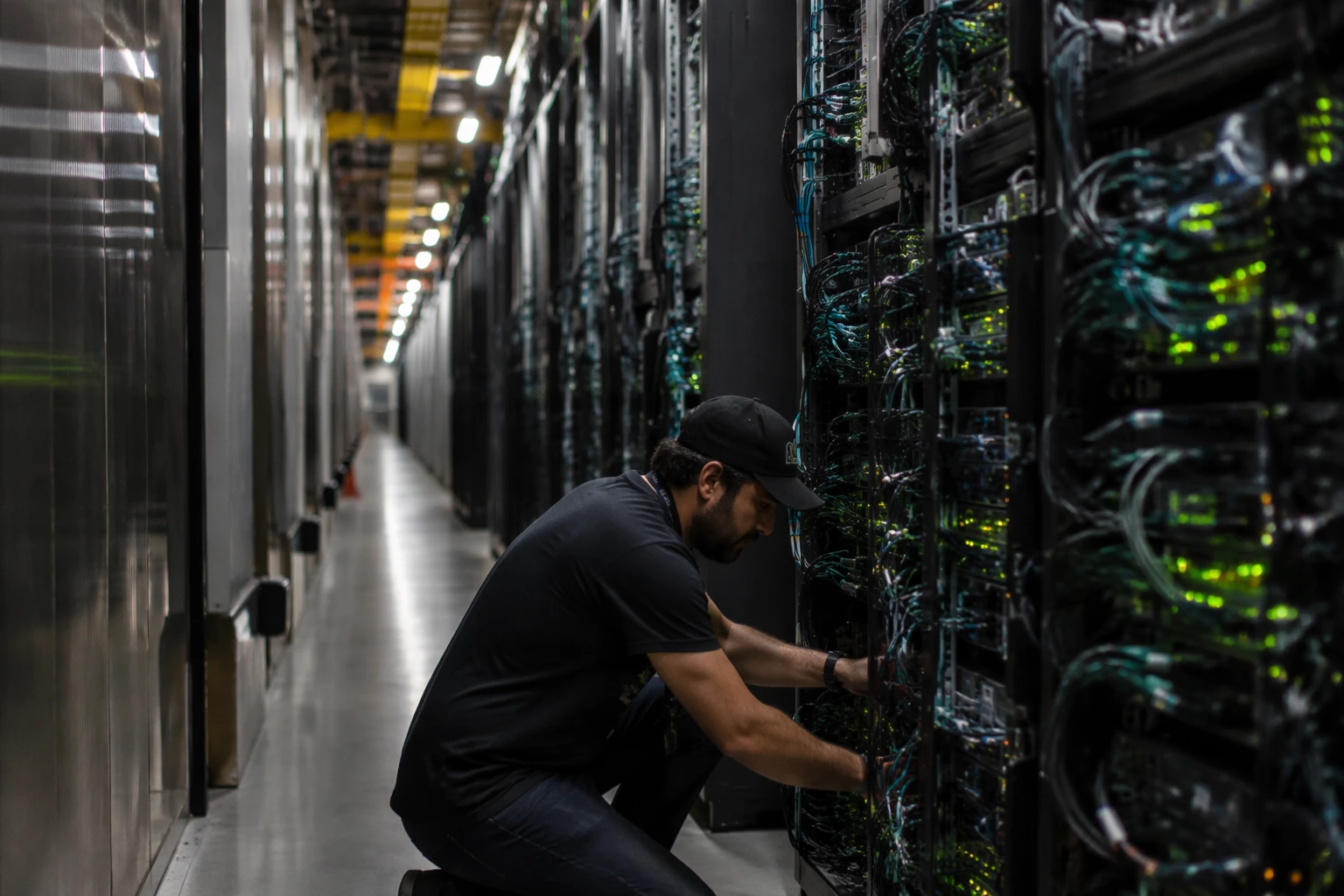
Anthropic has already shown how aggressively leading AI firms are locking in capacity. The company said it was scaling Claude on Microsoft Azure, powered by NVIDIA, and said it had committed to purchase $30 billion of Azure capacity. That pledge underscores how far the biggest model developers are moving toward long-term infrastructure contracts instead of relying on spot access to compute.
For Anthropic, a lease of this size would reinforce its push to compete with OpenAI, Google and other frontier rivals. For Meta, the talks point to a broader ambition than social media and advertising alone. A compute lease arrangement could create a new business line for Meta, turning excess or contracted infrastructure into a revenue stream at a moment when AI demand is driving hyperscale spending across the industry.
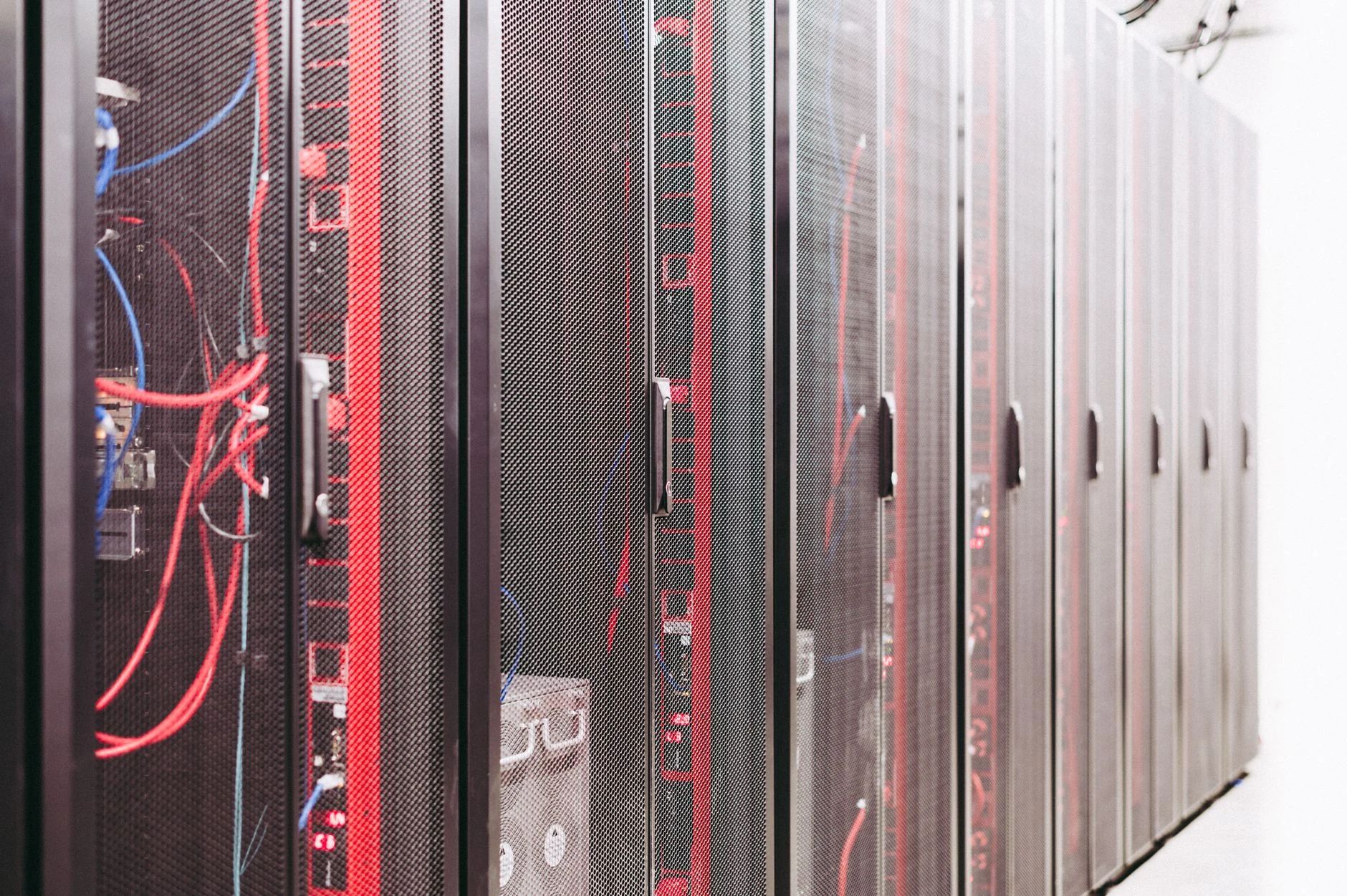
The broader issue is concentration. Only a handful of companies can afford to prepay for the chips, data-center builds and power supply required to support frontier AI systems, which leaves startups and smaller developers dependent on deep-pocketed partners. That dependency can accelerate progress for firms that secure capacity early, while making it harder for smaller players to compete on the same timeline.

As AI budgets climb, compute has become the chokepoint that decides who can train faster, iterate more often and scale models into products. The Meta-Anthropic talks show that the next battle in AI is being fought not just in software, but in the infrastructure deals that determine who gets to use the machines first.
Sources
- [1]reuters.com
- [2]nytimes.com
- [3]anthropic.com
- [4]tradingview.com
- [5]channelnewsasia.com