Technology
Meta develops always-on AI glasses that could record bystanders silently

Meta is testing prototype “super sensing” smart glasses that could continuously record audio and take photos every few seconds, pushing the company’s wearables toward an always-aware assistant that also raises a sharper question: what happens to people nearby who never agreed to be captured? The wearer would be able to ask Meta AI about the images and audio collected during the day, but the design under discussion would keep the usual recording LED off in that mode, according to the Financial Times and The Verge.
That detail matters because Meta has spent years normalizing the camera-on-glasses format. The company launched the new generation of Ray-Ban Meta smart glasses in September 2023 with EssilorLuxottica, then expanded the line with more AI features and released Ray-Ban Meta (Gen 2) in September 2025. Meta said the second generation can last up to eight hours on a full charge with typical use and records 3K video, a mix of battery life and image quality that makes the devices more useful in daily life and more embedded in ordinary public spaces.
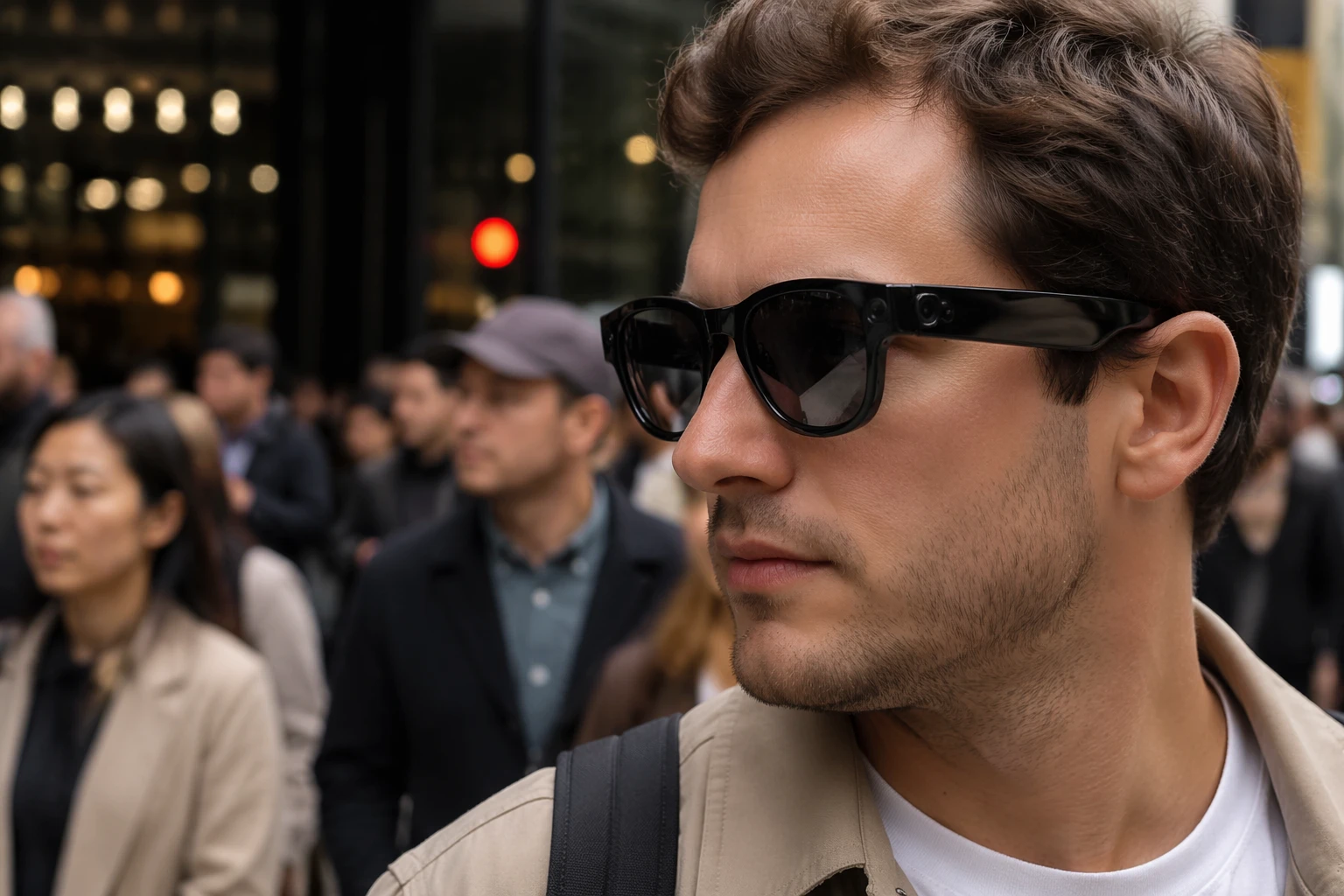
Meta has also tried to frame the product as one built around user control. Its privacy materials say Ray-Ban Meta AI glasses were designed with privacy controls and a notification LED, and that users can control what and when they share through app and device settings. A super sensing mode that suppresses the LED would cut against that visible warning, widening the gap between what the glasses can do and what people in line, on sidewalks, in stores, offices and classrooms can reasonably detect.

The backlash around Meta’s glasses has already become a legal and political issue in the United States. In March 2026, TechCrunch reported a class-action lawsuit that said subcontractors reviewed users’ glasses footage, including images of nudity and people using the toilet. In May 2026, Texas Attorney General Ken Paxton opened an investigation into Meta’s AI glasses over privacy representations, recordings and facial geometry. That scrutiny lands in a regulatory landscape that has not kept pace with consumer devices that can capture a room quietly, continuously and at scale.

Meta has not said when, or whether, the prototype will become a product, and some reporting says the company is considering using collected data to train its AI models. If that happens, the stakes extend beyond convenience: the same glasses that promise memory and retrieval for the wearer could turn every cafe, office and school hallway into a low-visibility capture zone.
Sources
- [1]theverge.com
- [2]ft.com
- [3]about.fb.com
- [4]meta.com
- [5]techcrunch.com
- [6]cbsnews.com