Technology
Meta launches Muse Image AI across Instagram, WhatsApp and Facebook

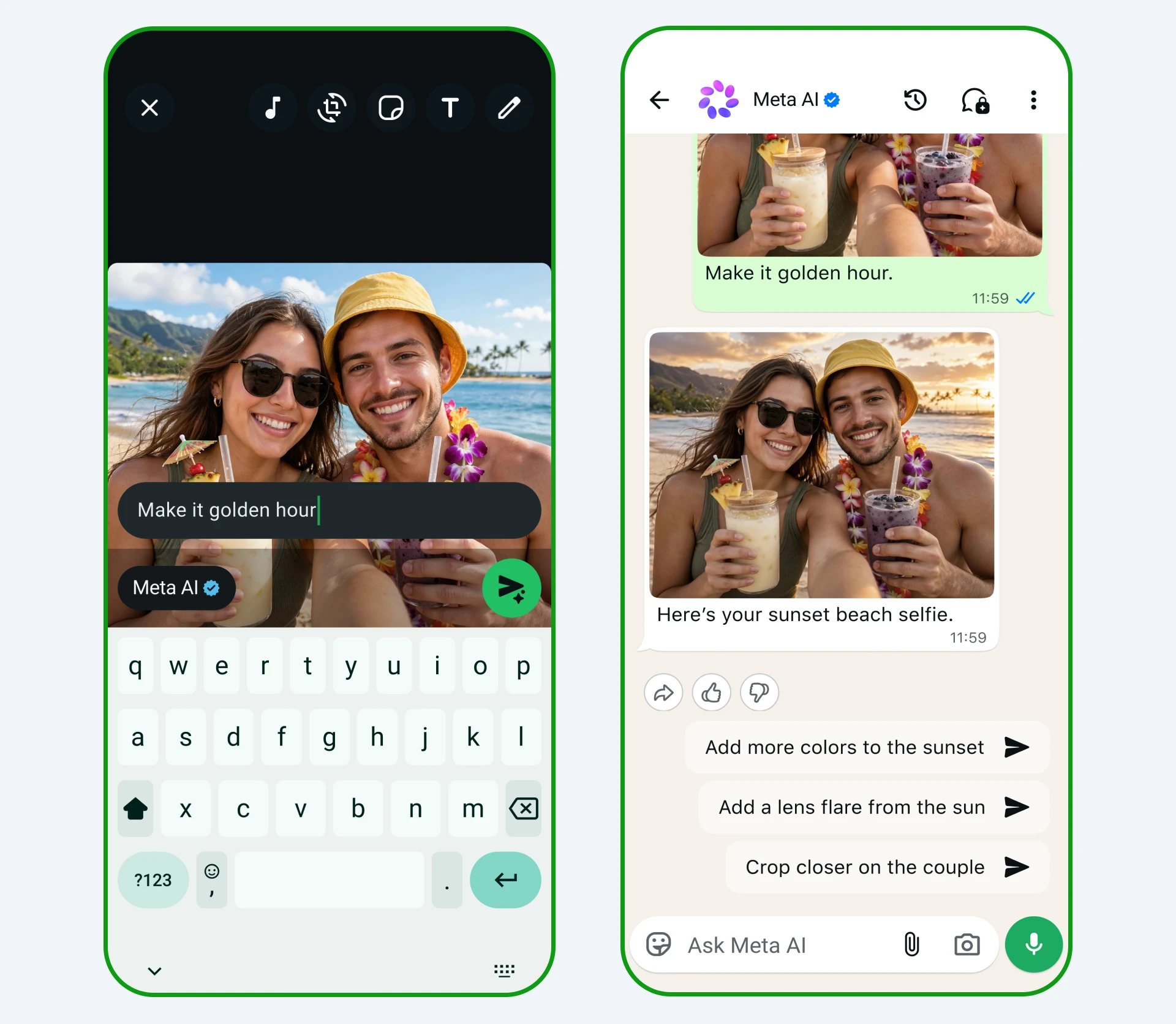
Meta on Tuesday said its Muse Image model was now powering image-making tools across the Meta AI app, Instagram and WhatsApp, with Facebook, Messenger and advertiser tools through Meta Advantage+ set to follow soon. The model is the first image-generation system from Meta Superintelligence Labs, the division that launched Muse Spark, its first large language model, in April 2026.
The new capability is drawing attention less for its creative pitch than for what it means when real people can be pulled into synthetic images. Meta says users can add themselves or others to AI-generated pictures by typing @ plus an Instagram username, or by using prompts that include “me” or “myself,” putting identity and consent at the center of the feature.
Meta’s Help Center says people can control who is allowed to create images and videos of them, with settings that include Only me, Followers I approve, Followers I follow back and Everyone, depending on age or country. The company also says users may be able to create images of mutual friends, depending on those settings, and that people can request permission before adding friends to images or videos.
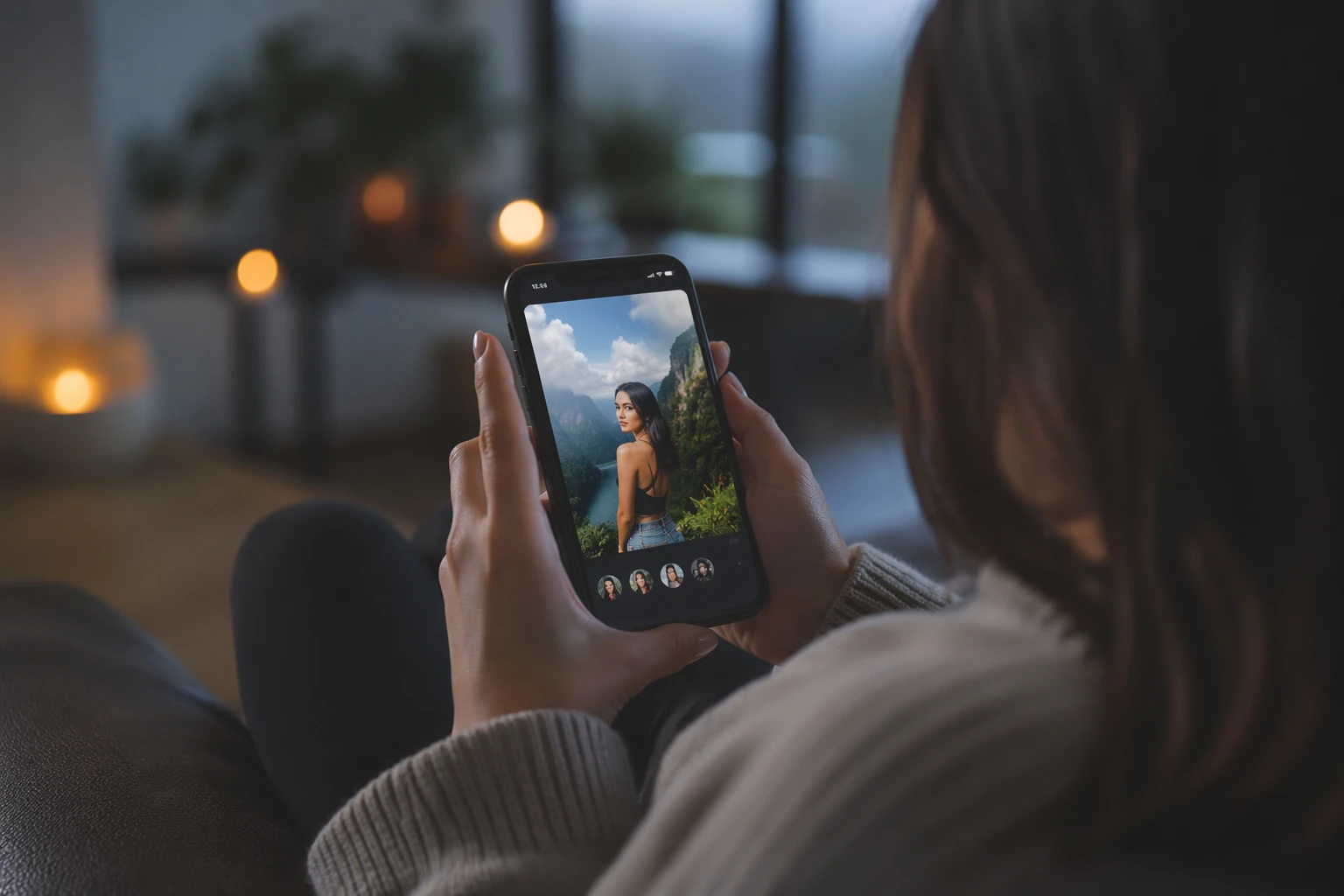
Those controls will matter as the feature spreads across products that already shape how millions of people present themselves online. Muse Image is already in creative experiences on Instagram and WhatsApp, while Meta has said the Meta AI app and website are not yet available everywhere, meaning some features will vary by region. Availability also depends on age and country, leaving some users with broader control than others.
The rollout comes as Meta pushes AI deeper into its social platforms. In June 2026, the company introduced new AI tools on Facebook, including AI Mode and new editing features, after a broader expansion of AI functions on Instagram and WhatsApp. Meta Superintelligence Labs has now moved from language models to image generation, but the privacy questions are moving just as fast.
The risk is straightforward: if a platform can generate convincing images that place a real person into scenes they never approved, the line between personalization and impersonation becomes thin. That concern is likely to follow Muse Image into Facebook, Messenger and Meta’s ad products, where the company is asking users and advertisers to trust safeguards that can be switched on, changed or misunderstood.
Sources
- [1]theverge.com
- [2]about.fb.com
- [3]meta.com