Technology
Meta launches Muse Image, expands AI image tools across apps
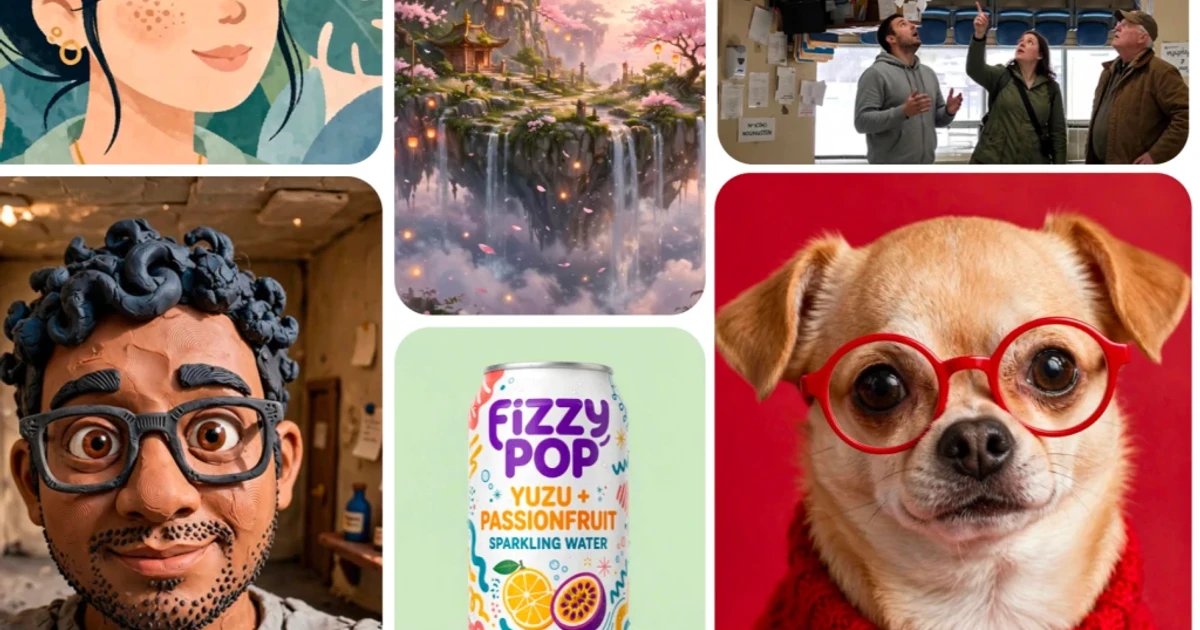
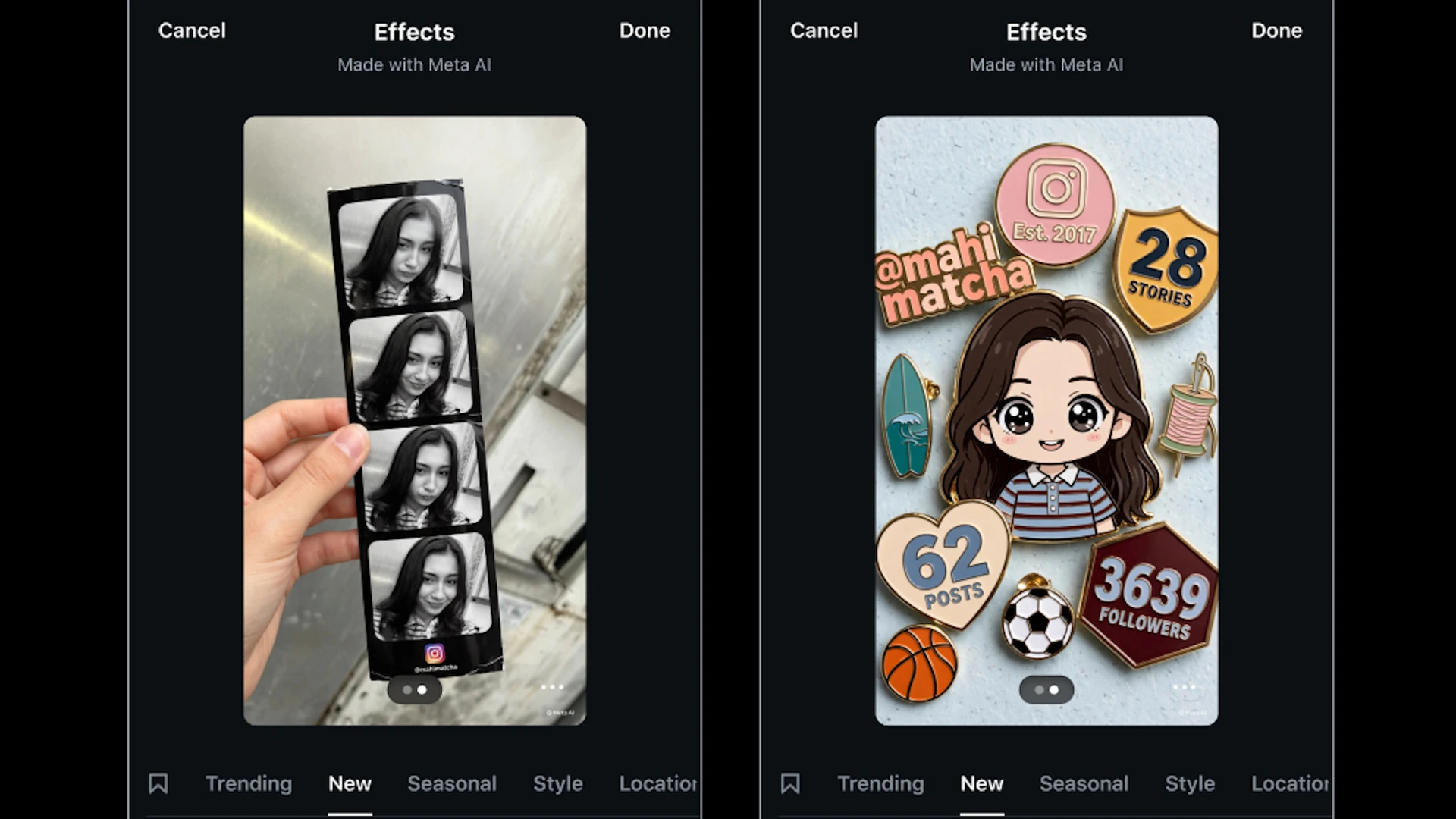
Meta on Tuesday added Muse Image to Meta AI and said the model, its first image generation system from Meta Superintelligence Labs, is already powering features in Instagram Stories and WhatsApp direct messages. The rollout gives Meta a new in-house image engine across its social apps, with more than 30 AI effects in Stories and plans to expand the tool to Facebook and Messenger later in 2026.
Meta is pitching Muse Image as more than a novelty generator. The company says the model can interpret complex prompts, use photos as inputs, blend multiple photos into a single creation and let users edit results with sketches or annotations. It also lets people download and share images directly into a chat, story or feed, putting the output where Meta already keeps users scrolling, posting and messaging. Meta’s own examples point to practical uses such as advertising, decorating and creator-focused work, including invitations, postcards and room redesigns.
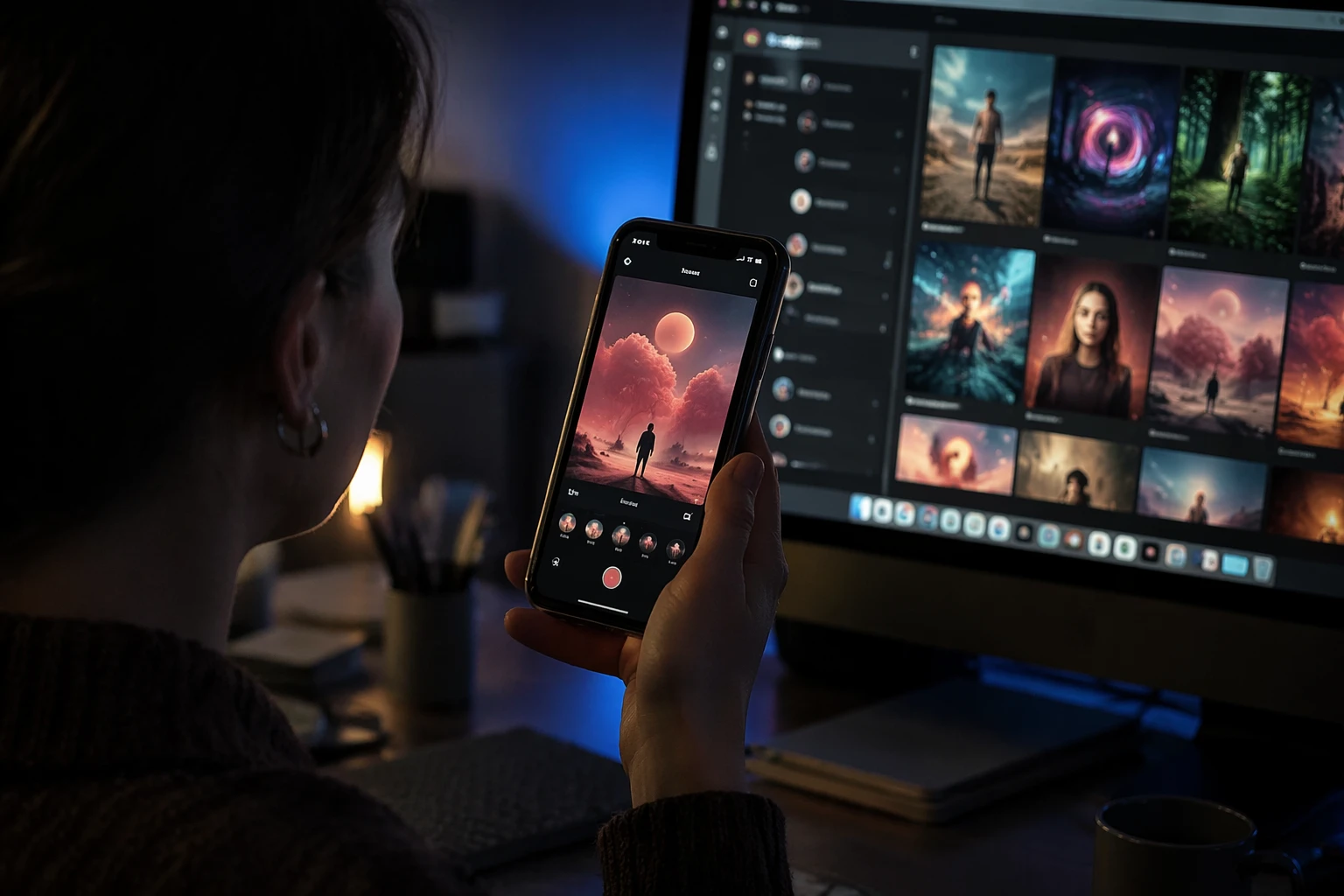
The sharper business edge is in how Meta plans to monetize that usage. General consumers can use Muse Image for free in Meta AI, WhatsApp and Instagram, but power users and creators need a subscription plan for higher limits or certain features, or they have to wait for their free limit to reset. Meta has also said Muse Image will power advertiser-specific image generation inside Advantage+ creative tools, with image variants expected for advertisers and agencies in the coming weeks. That puts the model directly into the company’s ad engine, where faster creative testing can mean more campaigns, more variations and less time spent on production.
The launch also marks a break from Meta’s earlier dependence on third-party image and video models such as Midjourney and Black Forest Labs. By owning image generation end to end, Meta can keep users inside its apps, feed creators with built-in tools and give advertisers a faster path from prompt to campaign. It also sharpens the competitive race with Adobe, OpenAI and other players pushing generative image products into consumer and commercial workflows, while leaving the familiar questions of copyright, labeling and disclosure to follow the images wherever Meta sends them.
Sources
- [1]techcrunch.com
- [2]about.fb.com
- [3]cnbc.com
- [4]theverge.com