Technology
Meta Layoffs Spark Fresh Uncertainty in Silicon Valley
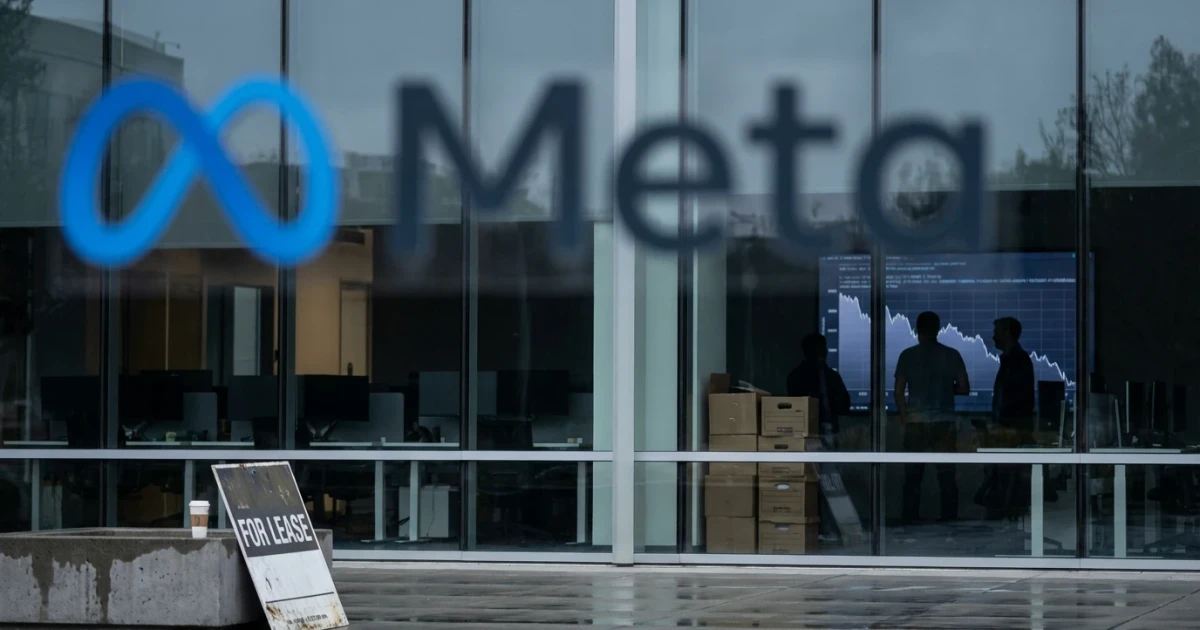
Meta Platforms, Inc. has announced another wave of layoffs, amplifying anxiety across Silicon Valley and prompting renewed debate over the evolving landscape of technology employment. The latest job cuts at the social media giant follow a series of reductions over the past two years, underscoring ongoing restructuring efforts as the company doubles down on artificial intelligence and cost management.
Layoff Timeline and Impact
The Washington Post reported that Meta’s most recent round of layoffs has rattled the tech industry, with employees and analysts closely watching how the company navigates this period of transition. The layoffs are part of a broader trend, with Meta conducting several workforce reductions since late 2022. According to Layoffs.fyi, Meta has cut thousands of jobs across multiple divisions, affecting both technical and business roles.
- Layoffs.fyi tracks that Meta’s cumulative layoffs now number in the tens of thousands since 2022, reflecting one of the largest workforce reductions in the tech sector’s recent history.
- Meta’s own SEC filings confirm these cuts are part of a strategic restructuring process aimed at improving operational efficiency and investing in AI-driven initiatives.
Industry-Wide Ramifications
The tech sector at large has been impacted by a wave of job cuts over the past two years. Data from the Bureau of Labor Statistics highlights slowed hiring and increased layoffs in professional and business services, with technology companies bearing a significant share of the reductions. Meta’s actions, as one of the industry’s bellwethers, are seen as both a symptom and a catalyst of ongoing shifts within Silicon Valley.
Industry analysts note that while Meta is not alone in reducing headcount, its size and influence make its decisions closely watched signals for peers and investors alike. According to Crunchbase, other major tech firms—including Amazon and Google—have also implemented substantial layoffs during the same period, citing similar motivations: cost control, AI investment, and business realignment.
AI Investment and Workforce Transformation
At the heart of Meta’s restructuring is a strategic pivot toward artificial intelligence. As noted in Meta’s official filings, CEO Mark Zuckerberg has consistently cited the company’s need to focus on AI development, especially as the technology becomes integral to its products and services. This shift, however, has fueled concerns among workers about job security and the changing nature of employment in the tech sector.
Recent Pew Research surveys show that a majority of Americans view AI as both an opportunity and a threat, with apprehension growing around automation and the displacement of traditional roles. The layoffs at Meta have intensified these debates, reinforcing the complex relationship between technological progress and workforce stability.
Financial Pressures and Market Response
Despite the layoffs, Meta continues to report robust revenue growth, according to Statista’s latest global revenue statistics. The company’s ability to maintain strong earnings while trimming its workforce signals a prioritization of shareholder value and long-term investments over short-term job security. Market analysts suggest that Meta’s actions could set the tone for other tech firms managing similar pressures in a competitive, AI-driven environment.
Looking Ahead
As Meta forges ahead with its restructuring and AI investments, the broader implications for Silicon Valley and the technology workforce remain significant. While the company’s latest layoffs have rattled employees and observers alike, the moves underscore the sector’s ongoing transformation amid rapid technological change and economic uncertainty. The coming months will reveal how Meta and its peers balance innovation, profitability, and responsibility to their workers in a shifting digital landscape.