Technology
Meta Moves 7,000 Workers to Accelerate AI Push
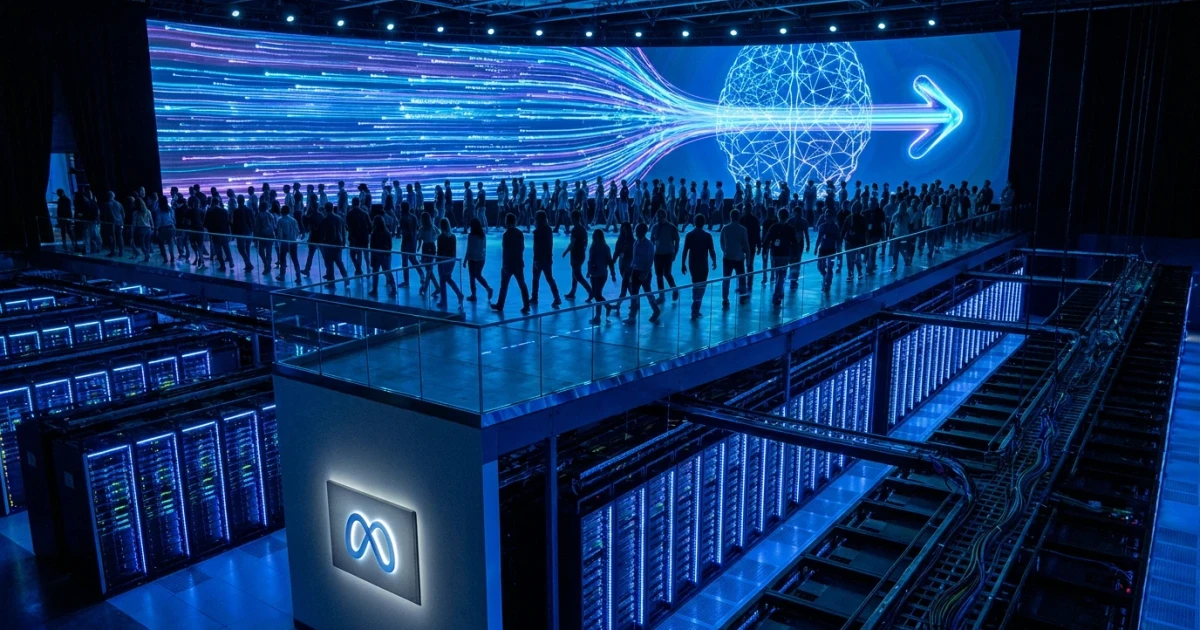
Meta has reassigned 7,000 employees across its global operations to accelerate development in artificial intelligence, signaling a significant shift in the company's priorities and echoing a broader transformation sweeping the tech industry. The move, first reported by The New York Times, underscores how AI has become central to Meta's growth strategy amid intensifying competition and rapid technological advances.
Strategic Workforce Realignment
The reassignment represents one of the largest internal workforce shifts at Meta in recent years. According to data from Statista, Meta's global employee headcount has fluctuated but remained above 65,000 in 2023, making this move impactful across multiple departments. The company's decision comes at a time when AI research and product development are viewed as essential to maintaining a competitive edge, particularly as rivals like Google and Microsoft increase their own AI investments.
Driving AI Innovation
The internal reshuffling is aimed at bolstering Meta’s AI capabilities, from generative models powering content recommendations to advanced tools for advertisers and creators. Meta has previously invested heavily in AI research, as highlighted in its AI research publications, and this latest workforce shift is expected to expand ongoing projects in areas such as natural language processing, computer vision, and large-scale model training.
- Meta’s AI team will now comprise a larger share of the company’s workforce, reflecting the priority of AI across product lines.
- Projects receiving new attention include AI-driven content moderation, augmented reality tools, and generative models for both consumer and business applications.
- According to Meta’s SEC filings, R&D spending has steadily increased, with a notable rise in AI-related expenditures.
Industry Context and Broader Trends
Meta’s decision mirrors a wider trend among tech giants retooling their workforces to prioritize AI. As detailed in McKinsey’s State of AI report, generative AI adoption surged in 2023, with major companies reallocating resources to develop new products and services. The report notes that such moves are often driven by the potential for AI to unlock efficiencies, create new revenue streams, and reshape consumer engagement.
Meta’s own Q4 2023 earnings report highlighted that AI initiatives contributed to improved ad targeting and user experience, with executives signaling increased R&D allocation toward these technologies.
Workplace Impacts and Employee Perspectives
The workforce realignment is not without challenges. According to a Pew Research Center analysis, large-scale employee reassignments for AI efforts can trigger concerns about job security, skills training, and organizational culture. However, Meta’s employees affected by the shift will reportedly focus on building AI features across existing products, rather than facing layoffs.
Forward-Looking Analysis
The reassignment of 7,000 employees marks a turning point for Meta’s operational strategy, positioning the company to compete in a fast-evolving AI landscape. While the long-term effects remain to be seen, the move is expected to enhance Meta’s ability to innovate and deliver new AI-driven solutions, both within its social platforms and in emerging areas like virtual reality and business tools.
Industry analysts suggest that such internal workforce shifts could become more common as AI transforms how companies operate and deliver value. For readers interested in the broader implications of AI adoption, Meta’s ongoing projects and workforce trends can be explored in depth via its AI research portal and official SEC filings.