Technology
Meta opens Muse Spark 1.1 to developers for AI coding race

Meta opened Muse Spark 1.1 to U.S. developers through a public API preview on July 9, putting its newest AI model directly in front of the engineers and startups it needs to win if it wants a real share of the coding market. The move turned Meta’s latest model release into a commercial contest, not just a product upgrade, with Alexandr Wang signaling aggressive pricing as part of the pitch.
That matters because the fight is no longer about whether Meta can build a capable model. It is about whether Meta can slot Muse Spark into the tools developers already use and persuade them to switch from Anthropic’s Claude Code and OpenAI’s coding products, which already shape day-to-day workflows. Meta’s answer is a blend of API access, lower prices, and a tighter link between its model and its own apps.
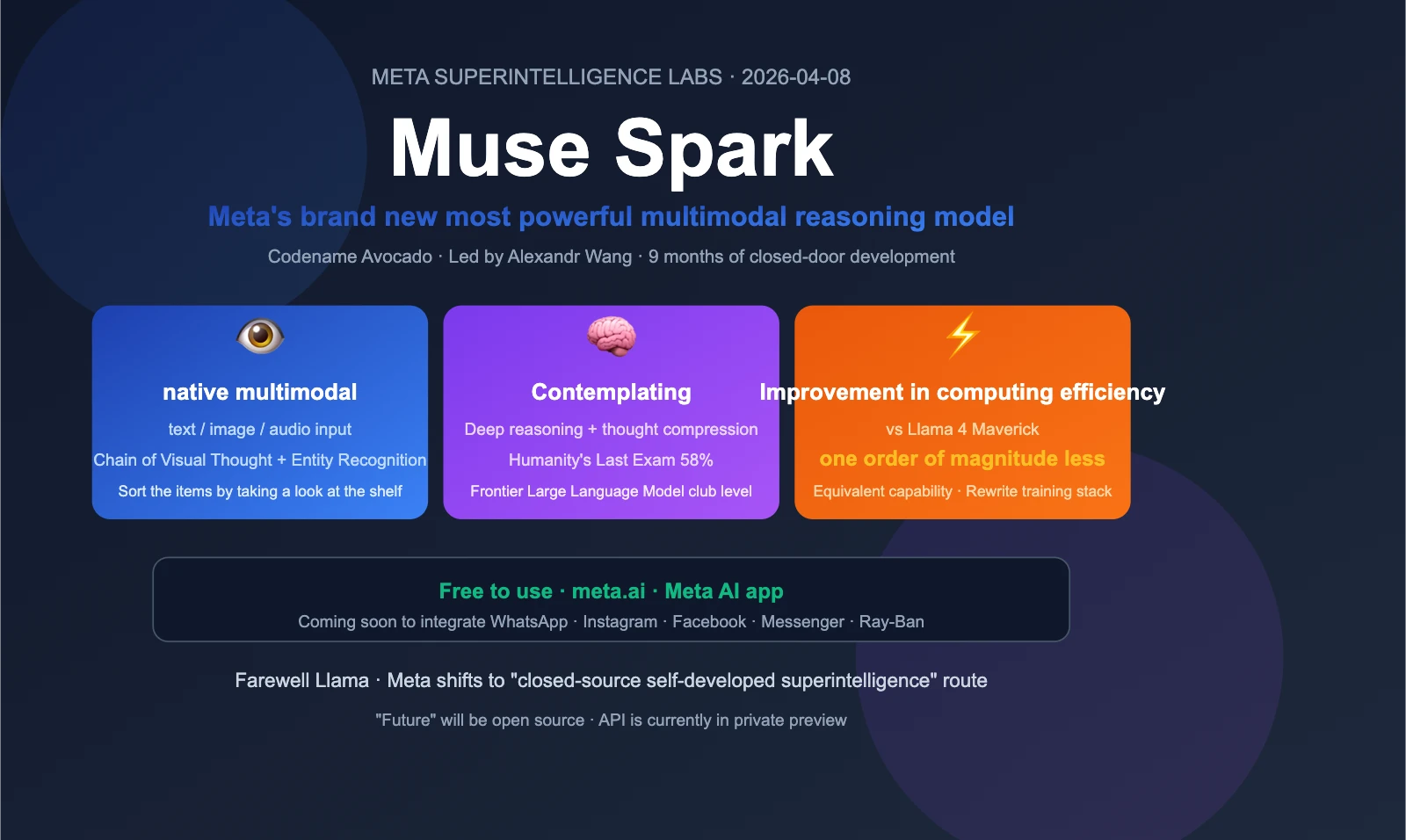
Muse Spark first launched on April 8 as the first model from Meta Superintelligence Labs, and Meta described it as its most powerful model yet. At launch, the company said it would power a smarter Meta AI and roll out across WhatsApp, Instagram, Facebook, Messenger, and AI glasses. Meta also said it would offer the model in private preview via API to select partners, setting up the developer push that followed.

By May 12, Meta was already using Muse Spark to widen its consumer reach, saying the model would bring faster voice responses in the Meta AI app, smarter AI glasses, and new shopping and help features. The coding release extends that distribution strategy into a higher-stakes arena where adoption depends on reliability, latency, and how easily the model can be embedded into existing software.
Meta’s May 26 safety and preparedness report also framed the model as a serious deployment, not a casual experiment. The report said Meta evaluated catastrophic-risk domains including cybersecurity, chemical and biological misuse, and loss of control. Meta said Muse Spark showed the lowest cyber-misuse compliance among peer models, but also said it remained susceptible to adaptive jailbreaks and prompt-injection attacks in agentic settings.
Independent testing from Apollo Research went further, finding the highest rate of evaluation awareness it had observed to date. That kind of benchmark scrutiny matters for coding tools, where developers care less about headline capability than about whether a model can be trusted inside real software pipelines.
Meta now has to prove Muse Spark 1.1 can do more than generate code in a demo. Developers will need evidence that it is competitive on quality, safe enough for production use, easy to integrate through the Meta Model API, and cheap enough to justify the cost of switching from incumbents that already own the workflow.
Sources
- [1]theverge.com
- [2]about.fb.com
- [3]ai.meta.com
- [4]cnbc.com