Technology
Meta plans September production of in-house AI chip Iris
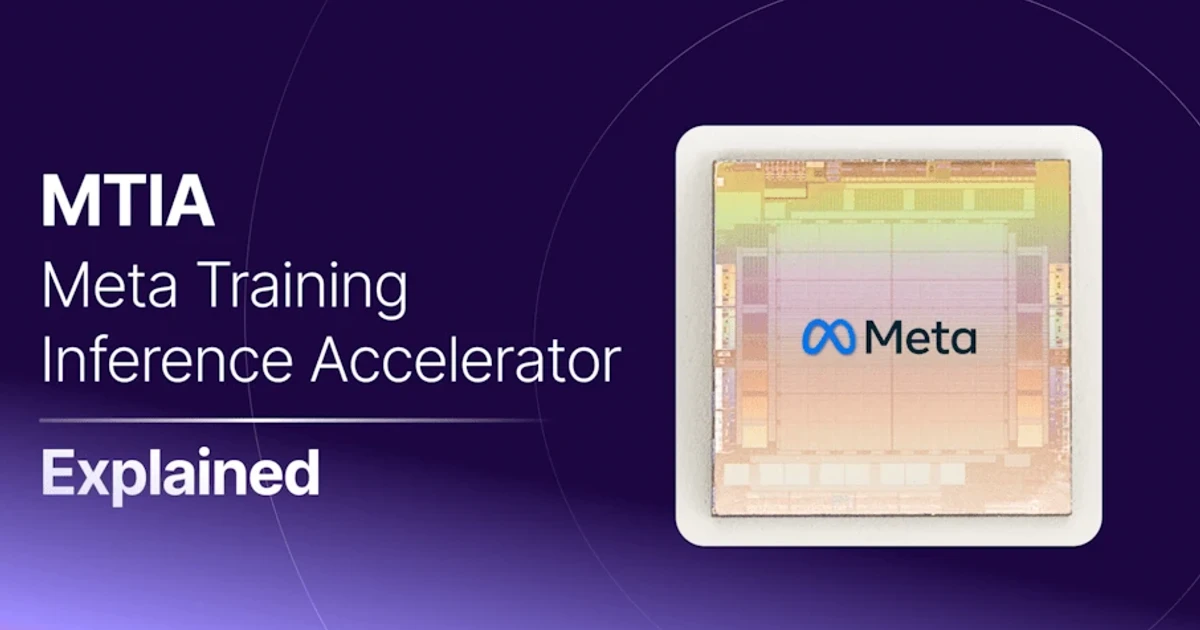
Meta plans to start manufacturing its Iris AI chip in September, a move designed to give the company more control over the cost and supply of the hardware that powers its AI systems. The chip is part of Meta’s Meta Training and Inference Accelerator program, an in-house silicon effort the company has been building since 2023 to tailor chips to its own workloads rather than depend entirely on Nvidia and other outside suppliers.
The September timeline matters because it would mark a shift from testing toward production, but not necessarily a full-scale rollout across Meta’s data centers. The internal memo says Iris completed a six-week test run with no major issues, and Meta has already been moving through a fast succession of custom chips. In March, the company said MTIA 300 was already in production, while MTIA 400, 450 and 500 would mainly support generative AI inference across Facebook, Instagram and other products.
Meta’s chip push is not a solo effort. The company is working with Broadcom on design and with Taiwan Semiconductor Manufacturing Co on manufacturing, pairing its own architecture with outside foundry expertise. On April 14, Meta said it had expanded its Broadcom partnership to co-develop multiple generations of MTIA chips across design, advanced packaging and networking. Broadcom said the agreement exceeds 1 gigawatt and is the first phase of a sustained multi-gigawatt rollout.

The scale of Meta’s infrastructure buildout shows why Iris is more than a side project. Reuters said Meta plans to deploy 7 gigawatts of computing infrastructure in 2026 and double that to 14 gigawatts in 2027, with spending on AI infrastructure reaching as much as $145 billion this year. The same memo said Meta has long-term supply agreements with Samsung Electronics for memory chips, Sandisk for flash storage and Sumitomo Electric for fiber-optic equipment.
Meta’s public framing has been consistent: its chips are meant to supplement, not replace, external GPUs from Nvidia and Advanced Micro Devices. But as Meta pushes through faster chip cycles, a recent testing run, and a September manufacturing date, the company is moving closer to a model where the economics of AI infrastructure are shaped less by general-purpose GPUs and more by the platform companies that can design, finance and feed their own silicon.
Sources
- [1]money.usnews.com
- [2]about.fb.com
- [3]cnbc.com