Technology
Meta starts unwinding $2 billion Manus deal after Beijing order

Meta has begun dismantling its $2 billion acquisition of Manus, the clearest sign yet that Beijing can force even a major U.S. tech deal into reverse. The company has completed an operational separation from the Chinese-founded AI startup and halted data sharing, effectively starting the unwind ordered by China’s National Development and Reform Commission.
The reversal reaches back to a December 2025 announcement that was widely described as worth more than $2 billion. By April 2026, Beijing had ordered Meta and Manus to restore the transaction to its pre-acquisition state on national security grounds, a rare use of China’s foreign investment controls against a cross-border artificial intelligence deal. The move signals that Chinese regulators are prepared to intervene when they believe talent, intellectual property or strategic technology could move beyond their reach.
The separation has already changed how the two companies operate. Meta has barred Manus staff from accessing its internal data systems and told employees to stop using Manus tools for internal projects, steps that amount to a practical shutdown of the integration that once made the deal valuable. The platform is now being unwound as the companies split their operations and data flows.
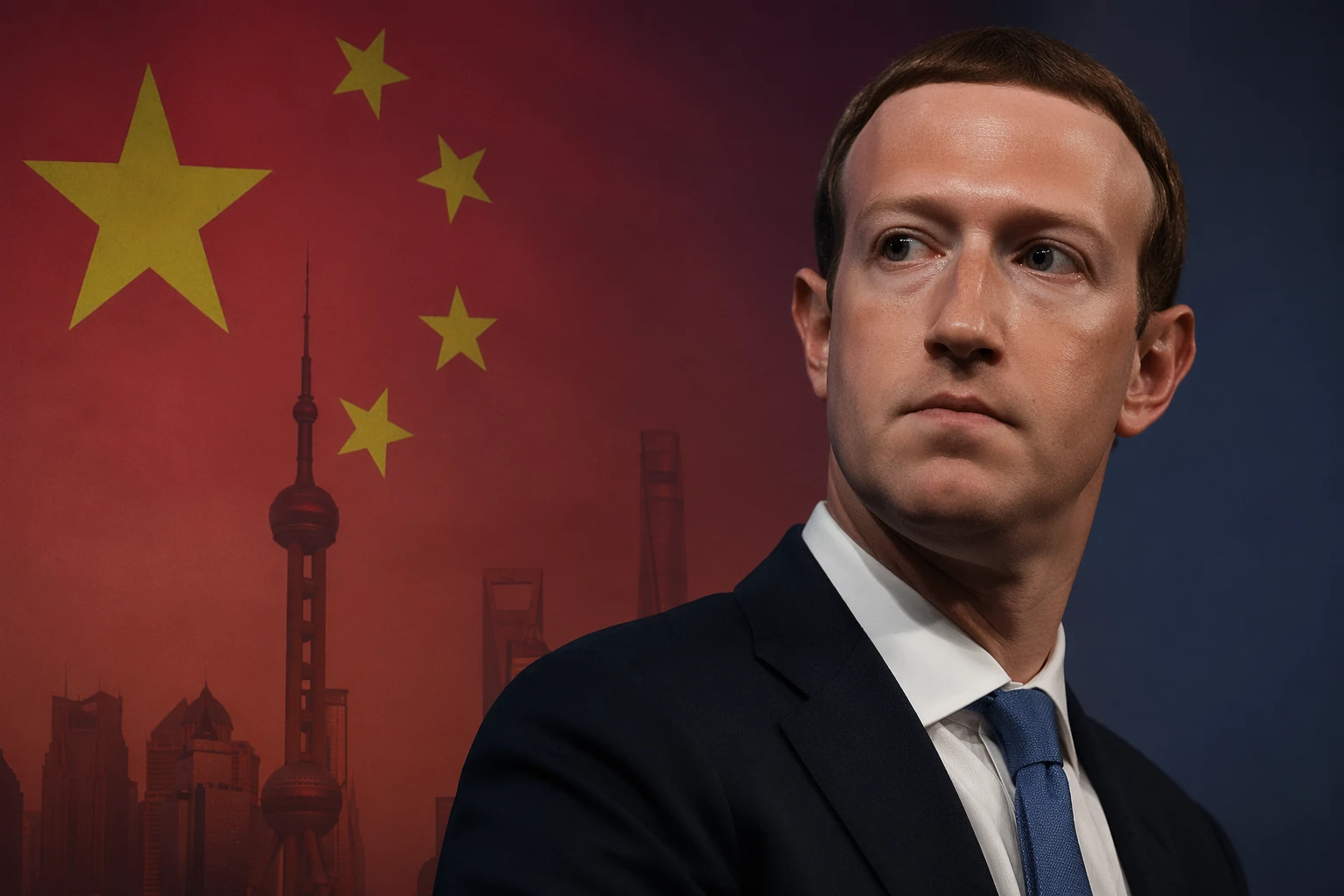
Manus’ founders are also exploring ways to satisfy Beijing’s order, including a possible buyback of roughly $1 billion to regain the company. That number underscores how far the valuation and the leverage around the deal have shifted since the acquisition was announced. What was once pitched as a high-value bet on AI capability is now a test of whether a startup can be pulled back from a U.S. tech giant once China decides the asset is strategically sensitive.
The case carries broader implications for cross-border mergers and acquisitions, especially in frontier technologies. For U.S. companies, it narrows the room to buy Chinese-linked AI assets and to integrate them deeply into global product systems. For China, it reinforces a policy line that prioritizes control over advanced technology, even at the cost of disrupting foreign capital and global supply chains tied to AI development.
The Manus unwind is being watched as a precedent. If Beijing is willing to reverse a deal of this size, future investors will have to price in a much higher political risk premium for any transaction touching Chinese AI talent, software or data.
Sources
- [1]techcrunch.com
- [2]finance.yahoo.com
- [3]cnbc.com
- [4]straitstimes.com
- [5]forbes.com