Technology
Meta’s new AI image generator can use public Instagram photos
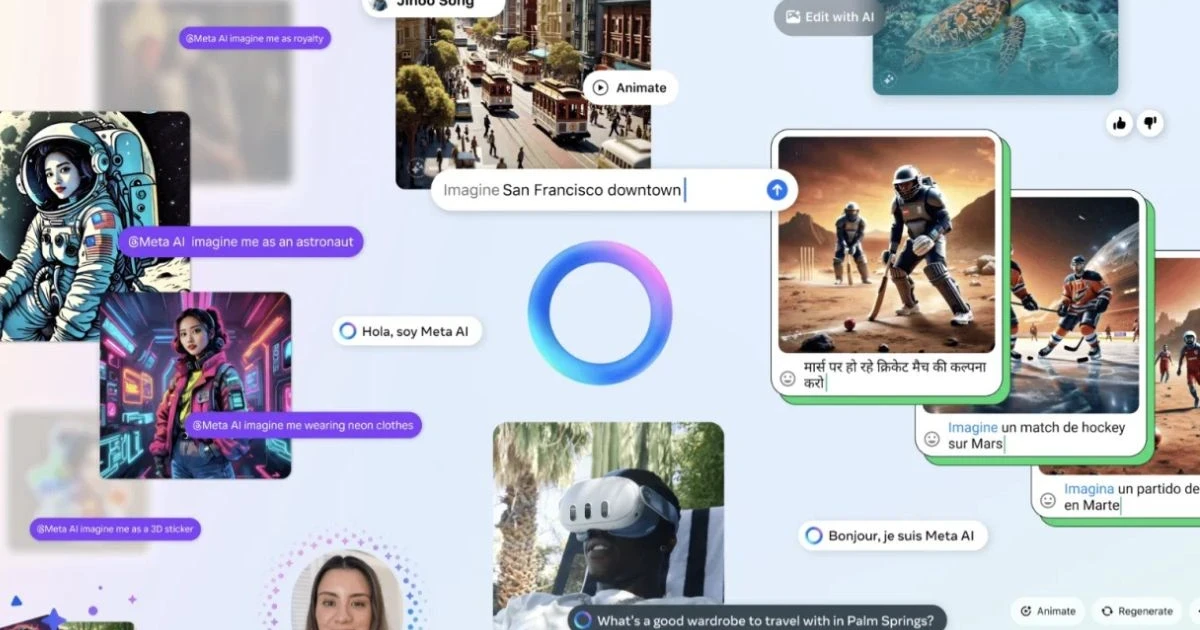
Meta launched Muse Image on July 7, 2026, and the company said the new generator is the first image model from Meta Superintelligence Labs. The tool is already built into Meta AI, where it can blend multiple photos, restyle images and generate content that can be shared to chat, stories or feeds. It also brings a sharper digital-rights problem into everyday posting: public Instagram photos can now become source material for AI without the account owner being asked first.
Meta says its AI features can use public content people choose to share, and that users can opt out through Instagram settings rather than opt in by default. That leaves a basic mismatch between how many people understand public posting and how Meta treats it. A public profile is not just visible to other users anymore; it can also feed the company’s image-generation system. Private messages and content from Europeans under 18 were excluded from Meta’s 2024 training plan, but public adult posts were fair game under that policy.
The company’s handling of public content has been under dispute for more than a year. In June 2024, Meta said it would use public content shared by adults on Facebook and Instagram to train AI models in Europe, then later paused that rollout after a request from the Irish Data Protection Commission. Meta said then that public content was needed to build systems that reflect local languages and culture, but privacy advocates saw the move as a direct challenge to user consent. For U.S. users, MIT Technology Review reported that Meta’s updated privacy policy would let the company use activity on Facebook, Instagram, Threads and WhatsApp for generative AI training beginning June 26, 2024, and that there was no foolproof opt-out.
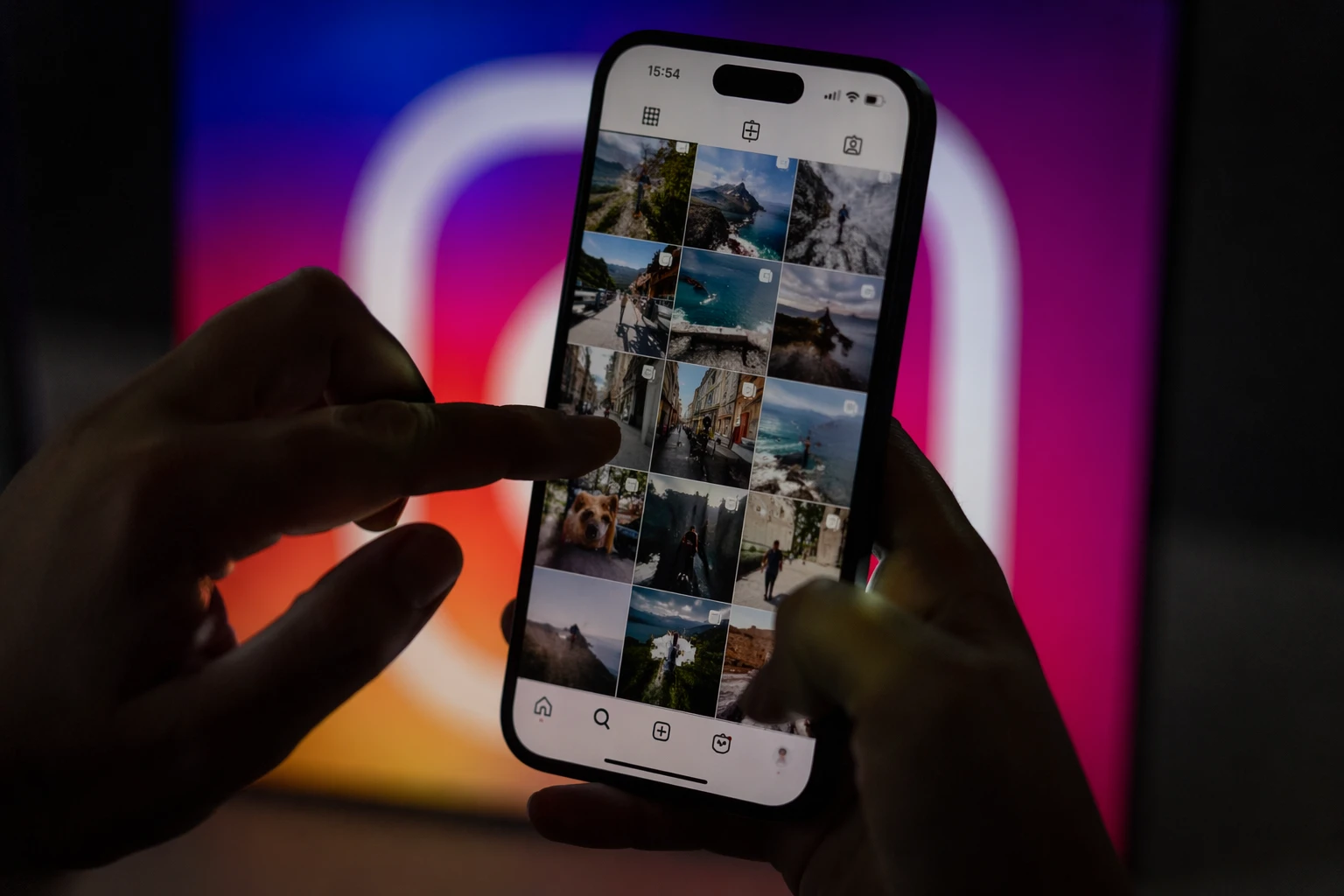
The practical concern is not abstract. If a person posts a public photo, Meta can treat that image as material for AI-generated outputs, including restyled versions that can be reused inside the company’s apps. The same logic also reaches people who are not Meta users if someone else posts their photo publicly. That raises obvious likeness, deepfake and consent concerns, especially when the image generator sits inside the same platforms people use to share family photos, civic organizing and local community life.
Meta had already promised guardrails. In September 2023, the company said it had built privacy safeguards into its generative AI features, and in February 2024 it said it would label AI-generated images on Facebook, Instagram and Threads when it could detect industry-standard indicators. Its help center now includes instructions for managing information tied to Meta AI and Vibes, a sign that people who want to limit how their content is used may need to hunt through Accounts Center and app settings to do it.
Sources
- [1]nytimes.com
- [2]about.fb.com
- [3]technologyreview.com
- [4]thehackernews.com
- [5]meta.com