Science
Meteorite Suspected After Flash and Boom Stun Southeast Texas
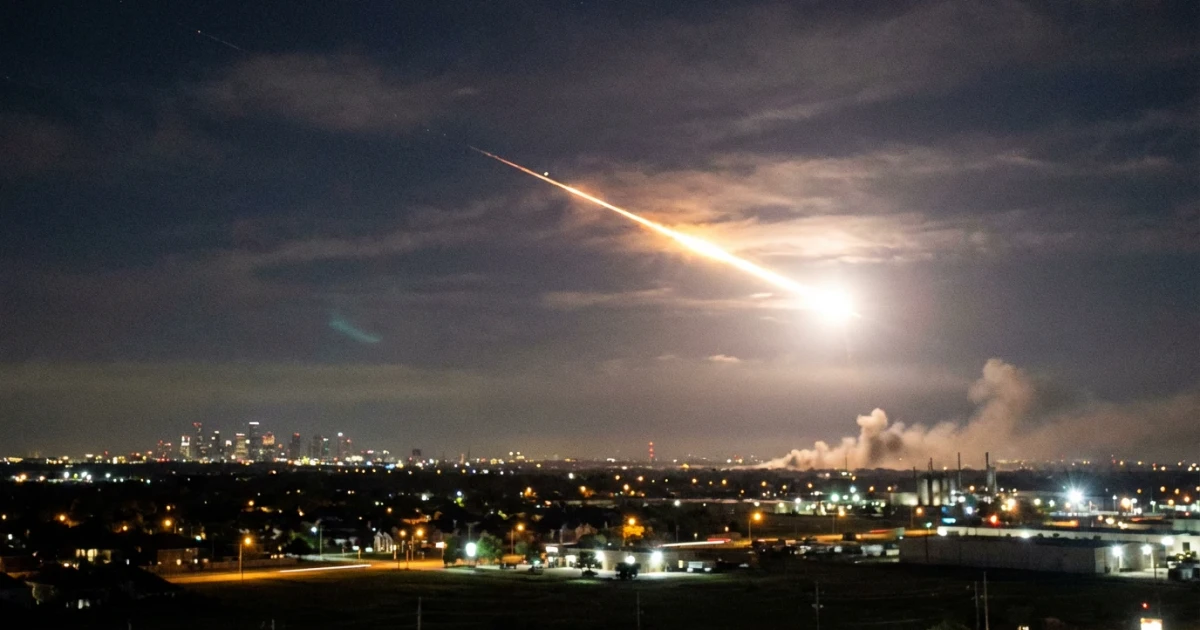
Residents across Southeast Texas were startled Friday evening by a sudden flash of light followed by a loud boom, leading to widespread speculation and official investigations into a potential meteorite event.
Widespread Reports of Mysterious Flash and Boom
According to KHOU, viewers from Houston and surrounding areas reported witnessing a brilliant flash lighting up the sky, accompanied by a loud, unexplained boom late Friday night. Social media was quickly flooded with accounts from residents describing the event, with many noting that their homes or windows rattled from the intensity of the sound.
- Multiple neighborhoods across Houston and beyond described the phenomenon as resembling an explosion or a sonic boom.
- Some residents initially speculated about severe weather, an industrial accident, or an earthquake, but no such incidents were reported.
Suspected Meteorite Crash in Houston Home
In a development first highlighted by KHOU and other local outlets, officials responded to a Houston residence where a suspected meteorite reportedly crashed through the roof. The homeowner recounted hearing a deafening noise and later discovering a sizable rock embedded in her home. Initial assessments suggest the object may be a meteorite, though scientific analysis is pending.
Such incidents are rare but not unprecedented. The NASA CNEOS Fireball Event Database tracks similar fireball and bolide events globally, including recent meteorite falls in Texas. The American Meteor Society has also received a surge in fireball sightings from Southeast Texas following the Friday night event, corroborating the widespread nature of the incident.
What Causes Such Events?
Loud booms and flashes of light in the night sky are often linked to meteorites entering the Earth's atmosphere at high speeds. As these space rocks, or meteorites, travel through the atmosphere, they burn brightly, creating the fireball effect and sometimes producing explosive sounds if they fragment or impact the ground. According to the USGS, such booms can also be caused by sonic booms from aircraft or other phenomena, but the combination of a visible fireball and audible explosion increases the likelihood of a meteorite origin.
Official Response and Ongoing Investigation
Local authorities have launched an investigation into the object recovered from the Houston home. If confirmed as a meteorite, it will be cataloged in the Lunar and Planetary Institute’s Meteorite Database, joining a list of documented meteorite falls and finds in Texas. The NOAA Storm Events Database also records such unusual events and will provide official documentation if the meteorite status is verified.
Analysis and Community Impact
While meteorite falls are rare, Southeast Texas has experienced scattered events in the past. The rapid and coordinated response from local residents, media, and scientific organizations highlights the public’s growing awareness of natural impact events and the importance of citizen reporting in tracking these phenomena. The incident has also prompted renewed interest in the study of meteorites and their effects on the local environment.
As scientific analysis continues, officials encourage anyone who finds unusual rocks or debris in the area to report them to authorities and avoid handling potentially hazardous materials. This event serves as a reminder of the unpredictable nature of our solar system and the value of public engagement in scientific discovery.