US News
Metropolitan Diary captures 50 years of New York city life
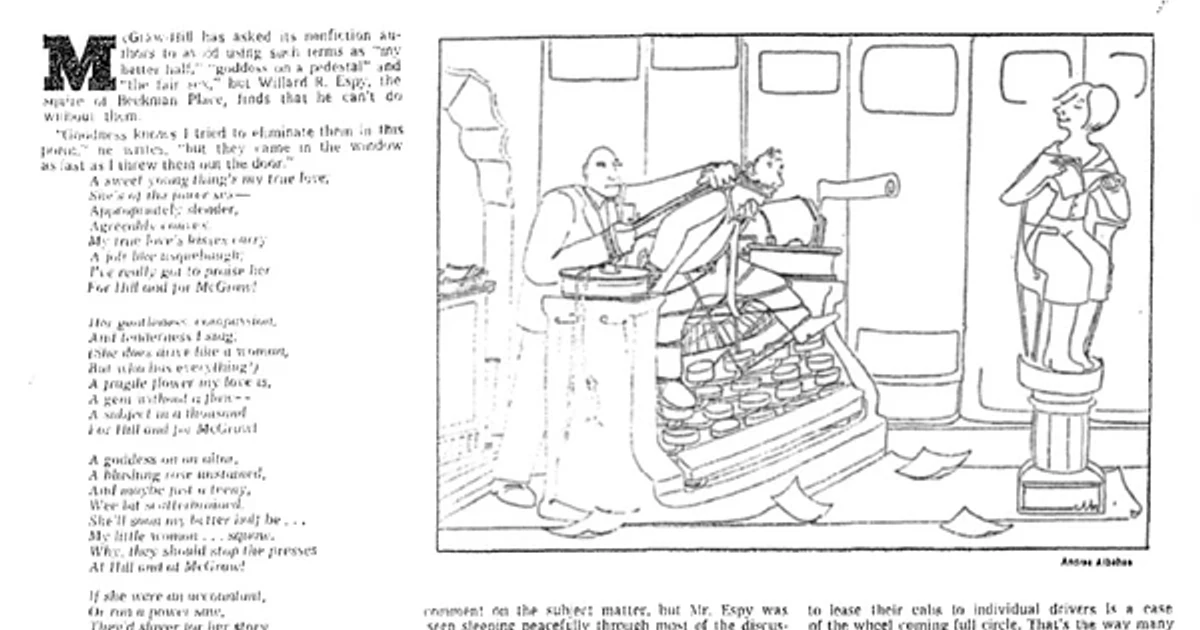
Lovers’ quarrels on sidewalks, acts of kindness on public transportation, and friendships formed under awnings in the rain have made Metropolitan Diary one of New York’s most revealing civic records. For 50 years, the column has treated passing encounters as evidence of how the city actually works: through proximity, restraint, irritation, generosity and surprise.
A column built from ordinary New York
Metropolitan Diary first ran in November 1976 and has become The New York Times’s longest-running column. Its staying power comes from a simple premise: the city’s daily life is most legible in the moments people usually ignore. A glance on a subway platform, an overheard line in a restaurant, a pause at an escalator or a bus ride shared with strangers can reveal as much about the city’s social code as any formal policy or official statement.
That is why the anniversary matters. The column has not merely collected nostalgia. It has preserved a long-running account of how New Yorkers negotiate closeness in public, where impatience, politeness and curiosity often meet in the same block, the same train car or the same line.
The places where the city speaks
A 1997 collection of the column’s best selections described Metropolitan Diary as a gathering place for questions and observations heard in movie lines, buses, theater lobbies, restaurants, health clubs, cocktail lounges and escalators. Delis were singled out as especially rich ground, which makes sense in a city where a counter, a wait and a brief exchange can become a fully formed social scene.
Those settings are important because they force contact. New York is full of places where strangers do not choose each other’s company, yet still have to share space, time and attention. The column’s stories thrive in that tension, capturing the etiquette of moving through Manhattan and the wider city without turning every interaction into conflict. Sometimes the smallest kindness becomes memorable precisely because the setting is so crowded, hurried or indifferent.
Why these anecdotes outlast the moment
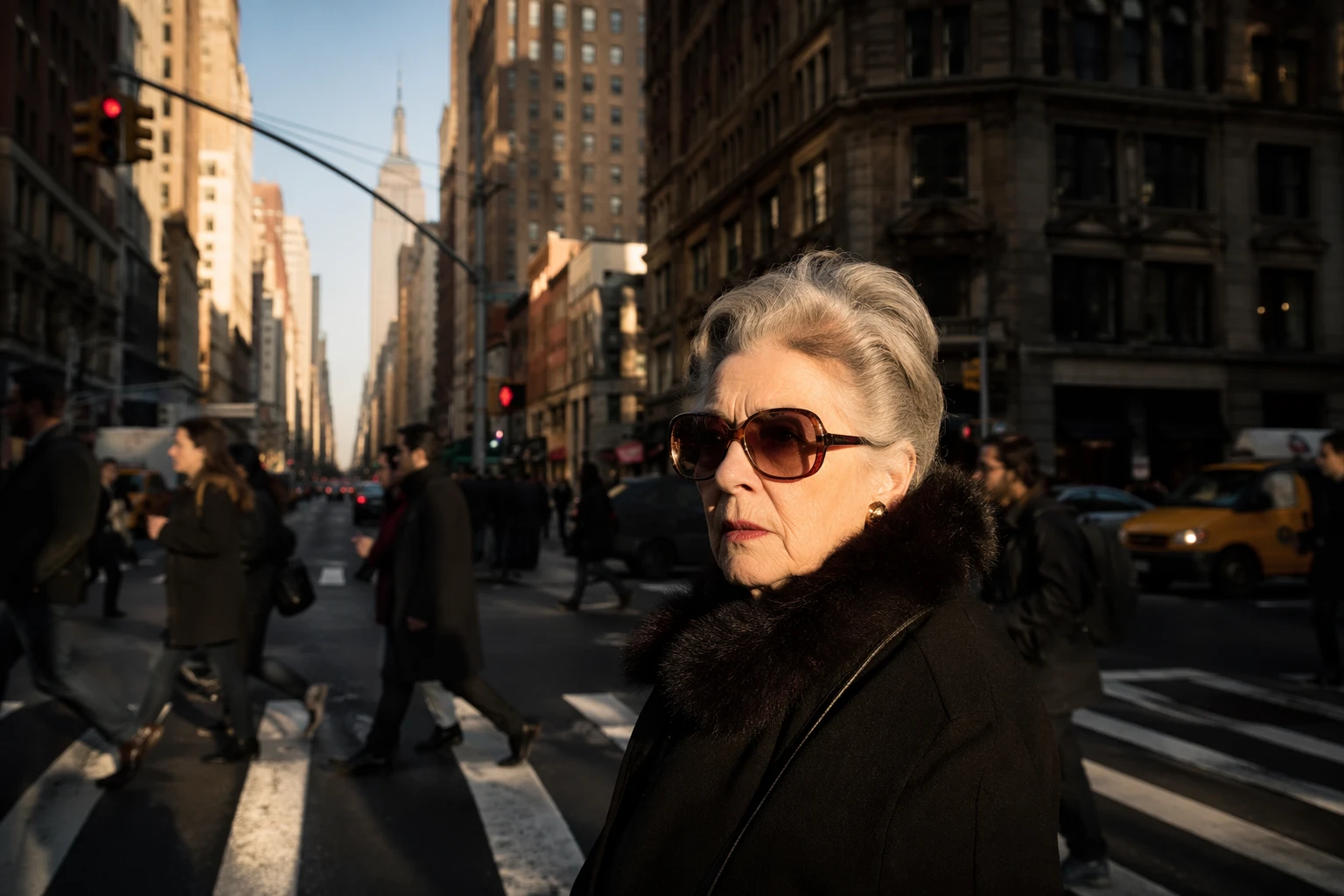
What gives Metropolitan Diary its durability is not sentimentality but observation. The column records how ordinary episodes carry social meaning, especially when they reveal who is noticed and who is missed. A bus ride can expose the city’s quiet rules of conduct. A conversation in a restaurant can show how people test boundaries. A shared moment on an escalator can become a study in timing, courtesy and accidental connection.
That is why the column keeps reading like a miniature city archive. It preserves not only what happened, but the atmosphere in which it happened. Fifty years of these fragments add up to a picture of urban life that resists national stereotypes about New York as only frantic, lonely or abrasive. The archive suggests something more complicated: a place where millions of brief encounters teach people how to live beside one another.
Readers still shape the archive
The column is still being built in the present tense of city life. In a recent Best of Metropolitan Diary roundup, editors sorted through more than 250 tales of New York City life from a single year before narrowing the field to a top five for online voting. That process matters because it shows the column is not frozen in a museum frame. Readers still participate in deciding which moments feel most vivid, most telling and most worth preserving.
That public role helps explain why the column remains active after so many decades. The New York Times has published more than 20 million articles in over 64,000 days of publication, yet Metropolitan Diary has kept a distinct place in that vast record because it narrows the city down to one story at a time. The scale is enormous, but the subject is intimate: the small exchange, the slightly awkward gesture, the line that someone cannot forget.
A counter-narrative to urban anxiety
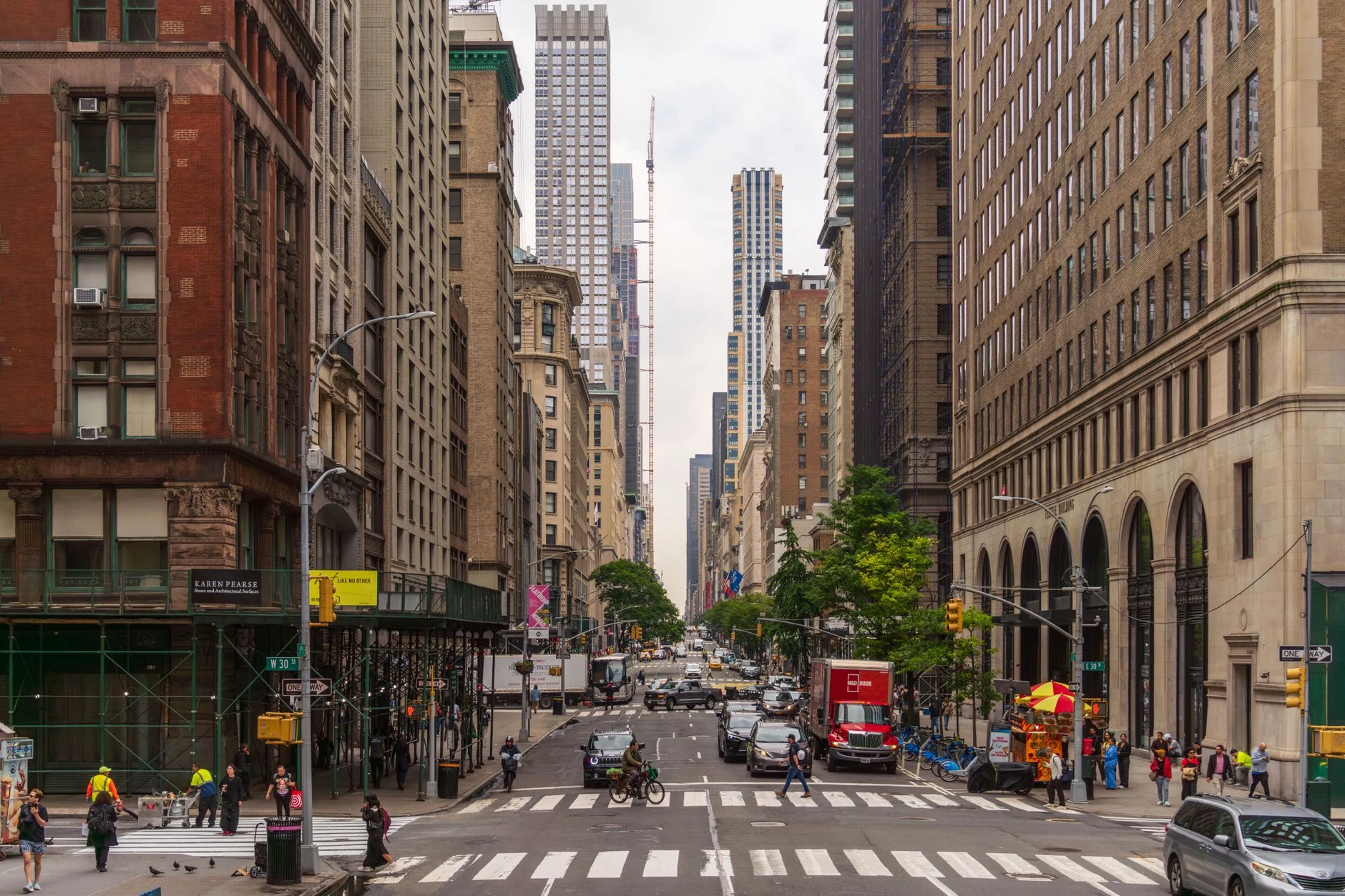
The anniversary also offers a useful correction to the louder stories told about city life. Much of the public conversation around New York tends to emphasize anxiety, disorder or distance. Metropolitan Diary points in another direction. It suggests that the city’s social fabric is built not only through institutions and infrastructure, but through repeated acts of attention between strangers who must share sidewalks, stairways, cars and counters.
That is the deeper civic value of the column. It records etiquette as a form of urban intelligence and everyday kindness as a form of public life. It also preserves conflict without flattening it into cynicism. A quarrel on a sidewalk is still part of the city’s language. So is a stranger’s help on a train, or the brief alliance that forms when rain drives people under the same awning.
The city in miniature
After half a century, Metropolitan Diary endures because it understands that New York is never just its skyline or its institutions. It is the sum of small observed moments, repeated across neighborhoods and years, that reveal how people learn to coexist under pressure and in proximity. The column captures that lesson with unusual consistency: the city is always speaking, and its daily poetry is often easiest to hear when no one is trying very hard to be profound.
Sources
- [1]nytimes.com
- [2]thesheffieldpress.com
- [3]books.google.com
- [4]archive.org
- [5]nytco.com