World
Mexican police arrest suspect in theft of Leonora Carrington sculptures
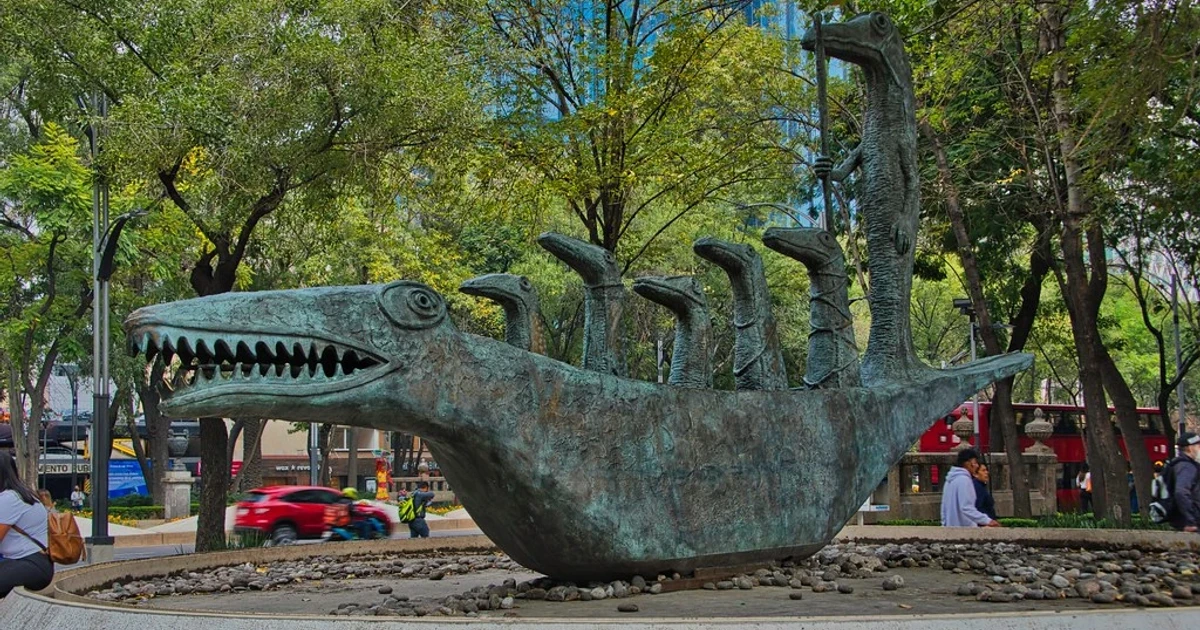
Mexican authorities arrested a 26-year-old man on July 8 in connection with the theft of bronze sculptures from the courtyard of the Parroquia de los Santos Cosme y Damián in Mexico City, including a work by Leonora Carrington. Mexico City’s public safety secretariat said the suspect’s clothing and physical traits matched images captured on surveillance footage, and that he was also suspected of marijuana possession. Charges had not yet been determined.
Father Jose de Jesus Aguilar first drew attention to the thefts by posting videos on social media showing missing pieces from the church’s sculpture garden in the San Cosme area of the Cuauhtémoc borough. In the CCTV footage Aguilar shared, a figure in a pale hoodie climbs onto a low wall, leans over shrubbery and wrenches a statue from its plinth by swinging it back and forth. Among the stolen works were Carrington’s Black Dog, a mystical bronze guardian, a sculpture by Cesar Ruiz Cureño inspired by Remedios Varo’s Woman Leaving the Psychoanalyst, two angels and two bronze commemorative plaques.
The loss has particular weight because Carrington and Varo were not just celebrated names in Mexican art history, but close friends whose lives crossed in Paris during the Surrealist movement before both relocated to Mexico during World War Two. Varo fled wartime Europe and had secured passage to Mexico by late 1941. Carrington settled in Mexico City in late 1942 and remained there for the rest of her life, helping shape the city’s postwar surrealist community. Their work fused European Surrealism with Mexican cultural life, which means the theft reaches well beyond the market value of the metal itself.
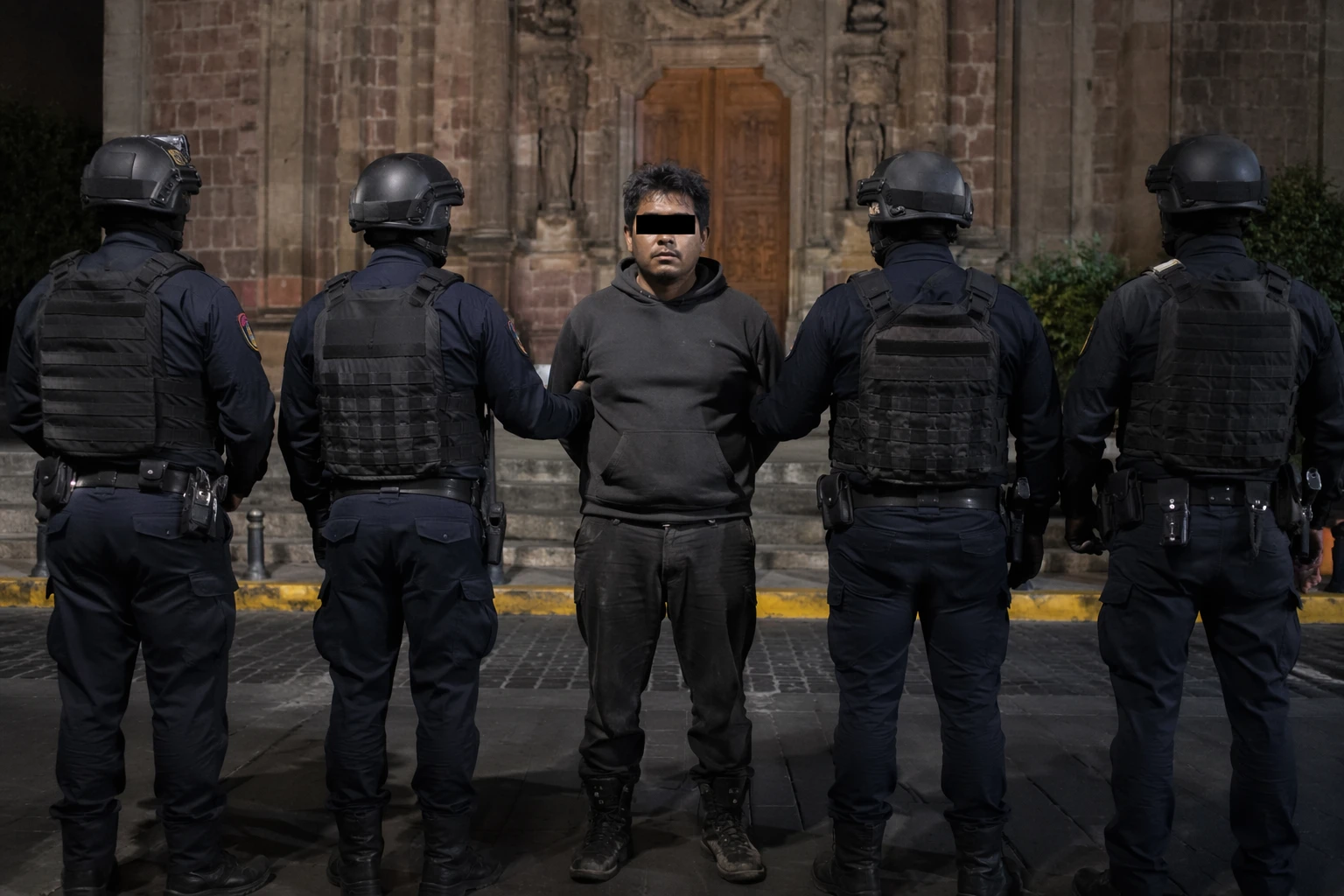
Local media estimated the stolen pieces could be worth between 150,000 and 200,000 Mexican pesos, or about $8,500 to $11,400, and Aguilar said the plaques alone were costly. He suggested the thief may have intended to sell the pieces for scrap, a reminder that open churches, plazas and other civic spaces often leave nationally important art vulnerable to opportunistic removal. Aguilar said the parish should remain a place “of faith but also of art,” a line that captures the wider loss to a community that had treated the courtyard as both a devotional site and a public gallery.
Sources
- [1]usnews.com
- [2]mvsnoticias.com
- [3]nmwa.org
- [4]moma.org
- [5]leonoracarringtonmuseo.org