World
Mexico and US open sterile fly plant to fight screwworm
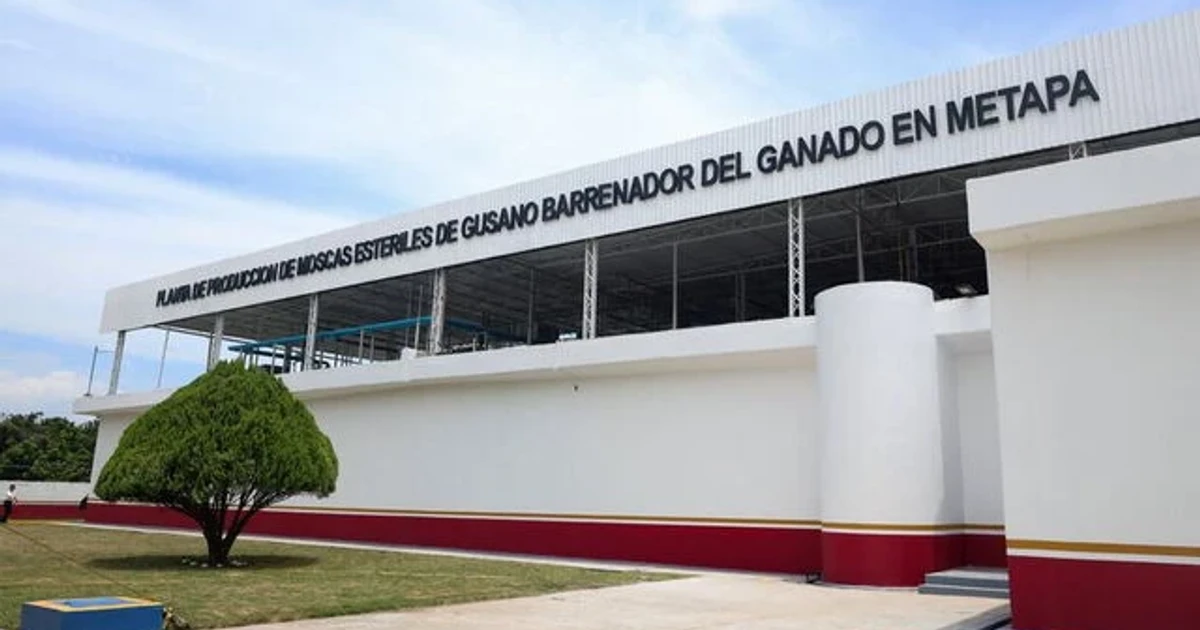
Mexico and the United States opened a sterile fly production plant in Metapa de Dominguez, Chiapas, on Saturday, putting a new tool at the center of a cross-border effort to keep New World screwworm from inflicting wider damage on cattle trade, ranching, and border inspection systems. Mexican President Claudia Sheinbaum and U.S. Agriculture Secretary Brooke Rollins attended the inauguration near the Guatemala border, where officials cast the plant as a practical defense against a pest that can move fast across agricultural front lines.
The facility cost more than $50 million and is expected to eventually produce as many as 100 million sterile flies a week. Released into the wild, those flies mate with wild screwworms and prevent reproduction, shrinking the pest population without chemicals. The animal-health stakes are high: the screwworm burrows into the flesh of warm-blooded animals, can be fatal if untreated, and can threaten not only cattle but also pets, wildlife, birds and, in rare cases, people.
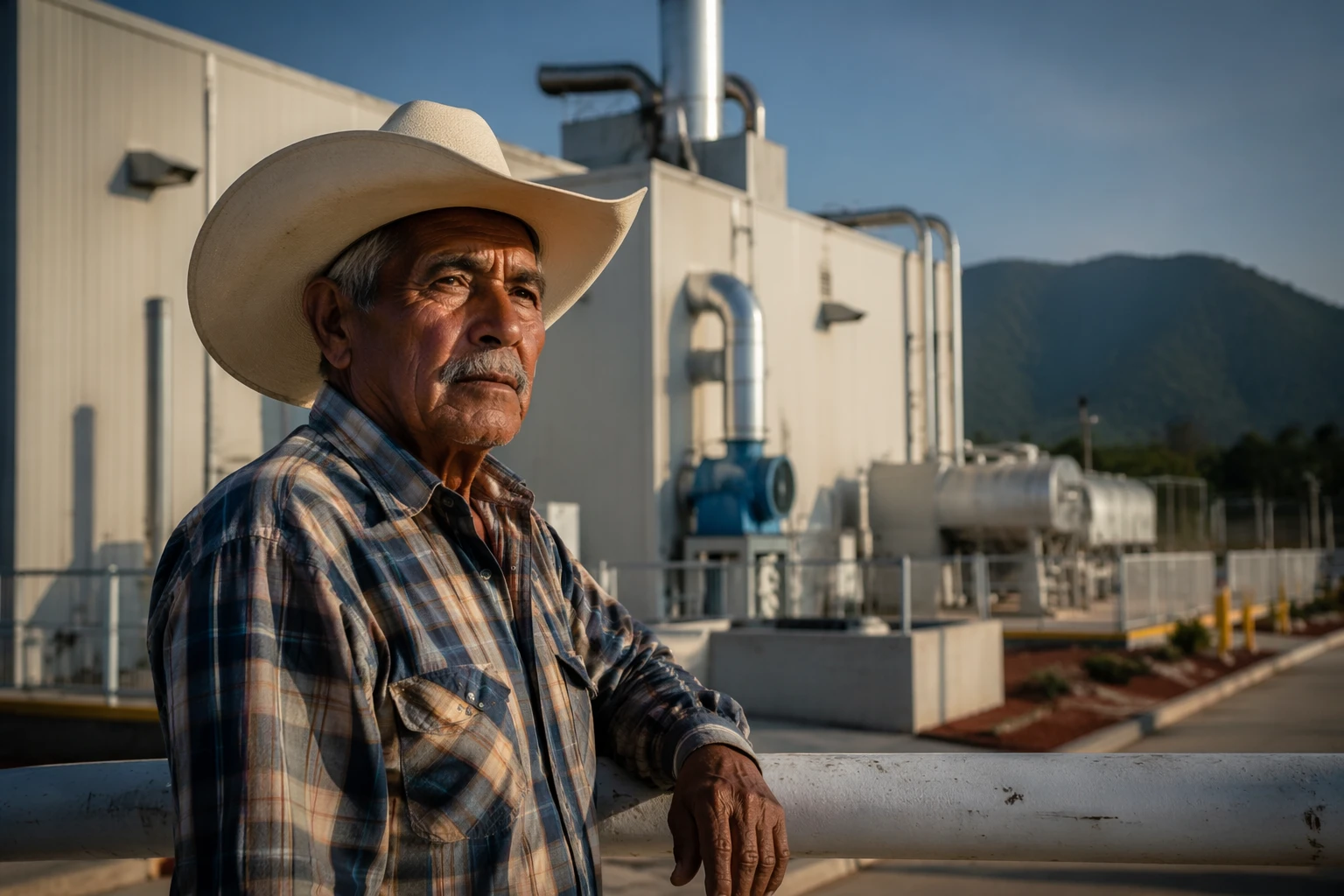
The opening came after the outbreak pushed north from Mexico into the United States. Mexico first notified U.S. officials of a positive detection on Nov. 22, 2024, and the first U.S. case in decades was confirmed on June 3, 2026, in a 3-week-old calf in Zavala County, Texas, with larvae found in its umbilical area. That detection deepened pressure on Washington to keep the border mostly closed to Mexican live cattle, a move that has strained Texas feedlots and disrupted a trade that had previously moved more than 1 million animals a year into U.S. operations.
The Chiapas plant is meant to add capacity to a regional system that still depends on one other operating sterile fly facility in North America, in Pacora, Panama. USDA says that plant, jointly managed and funded with Panama’s Ministry of Agricultural Development through COPEG, can generate more than 100 million pupae a week. USDA has also said it is investing in new and renovated facilities in the United States and Mexico to help stop the spread.
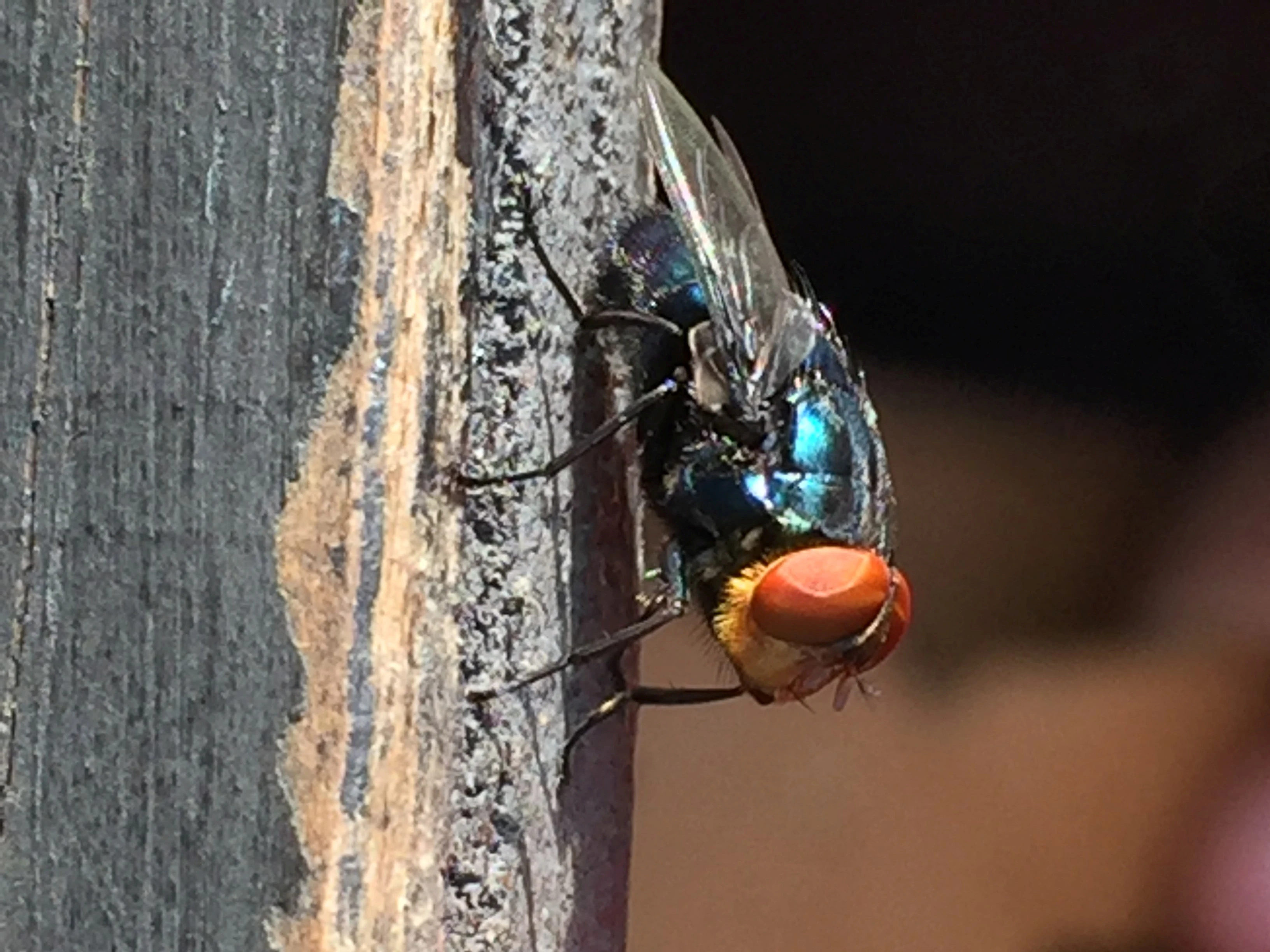
The campaign is not new. USDA and the Food and Agriculture Organization say sterile insect technique helped erase screwworm across the United States, Mexico and much of Central America, a strategy associated in USDA historical material with Edward F. Knipling. FAO says the method works best when paired with wound management, close monitoring and strong surveillance. With Eduardo Ramirez and Roberto Velasco also present at the Chiapas opening, the inauguration underscored how animal health policy, trade restrictions and border security have become tightly linked in the scramble to prevent a costly livestock pest from becoming a broader economic shock.
Sources
- [1]usnews.com
- [2]aphis.usda.gov
- [3]fao.org
- [4]reutersconnect.com
- [5]nal.usda.gov