Sports
Mexico erupts in celebration as World Cup 2026 kicks off in Mexico City
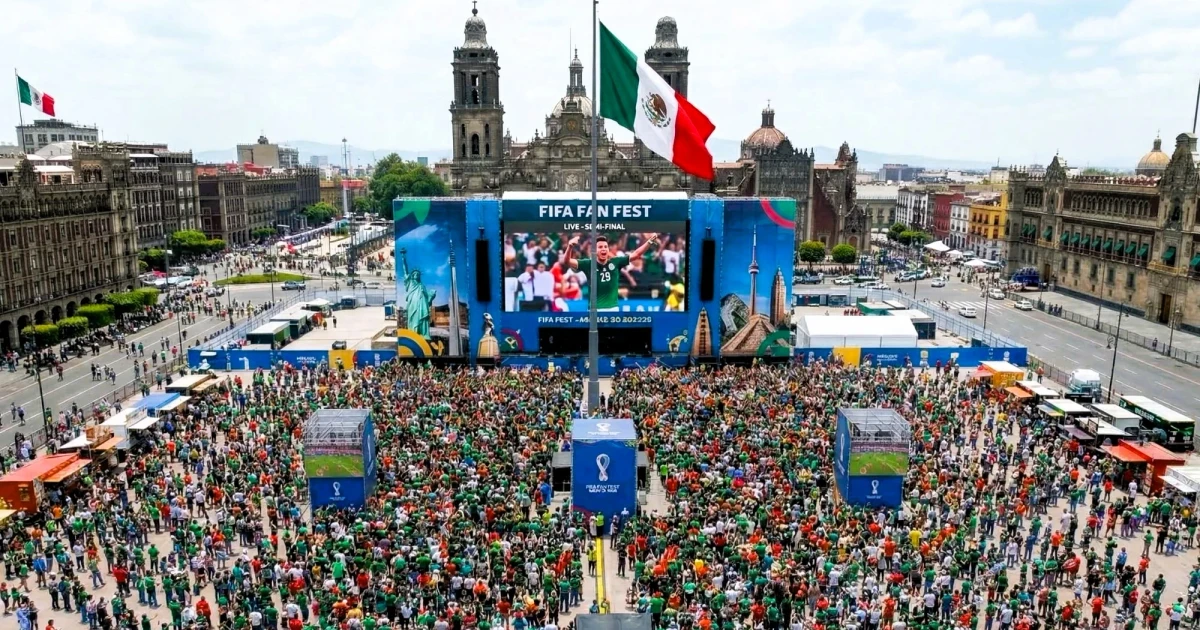
The roar of Mexico’s World Cup debut spilled far beyond the pitch, turning stadiums, streets and plazas into a single public celebration of identity. In Mexico City, the Zócalo became the center of that scene as FIFA’s Fan Festival filled Plaza de la Constitución with music, food and giant screens, giving local supporters and visitors a shared place to mark the start of a tournament that has become as much cultural spectacle as sporting event.
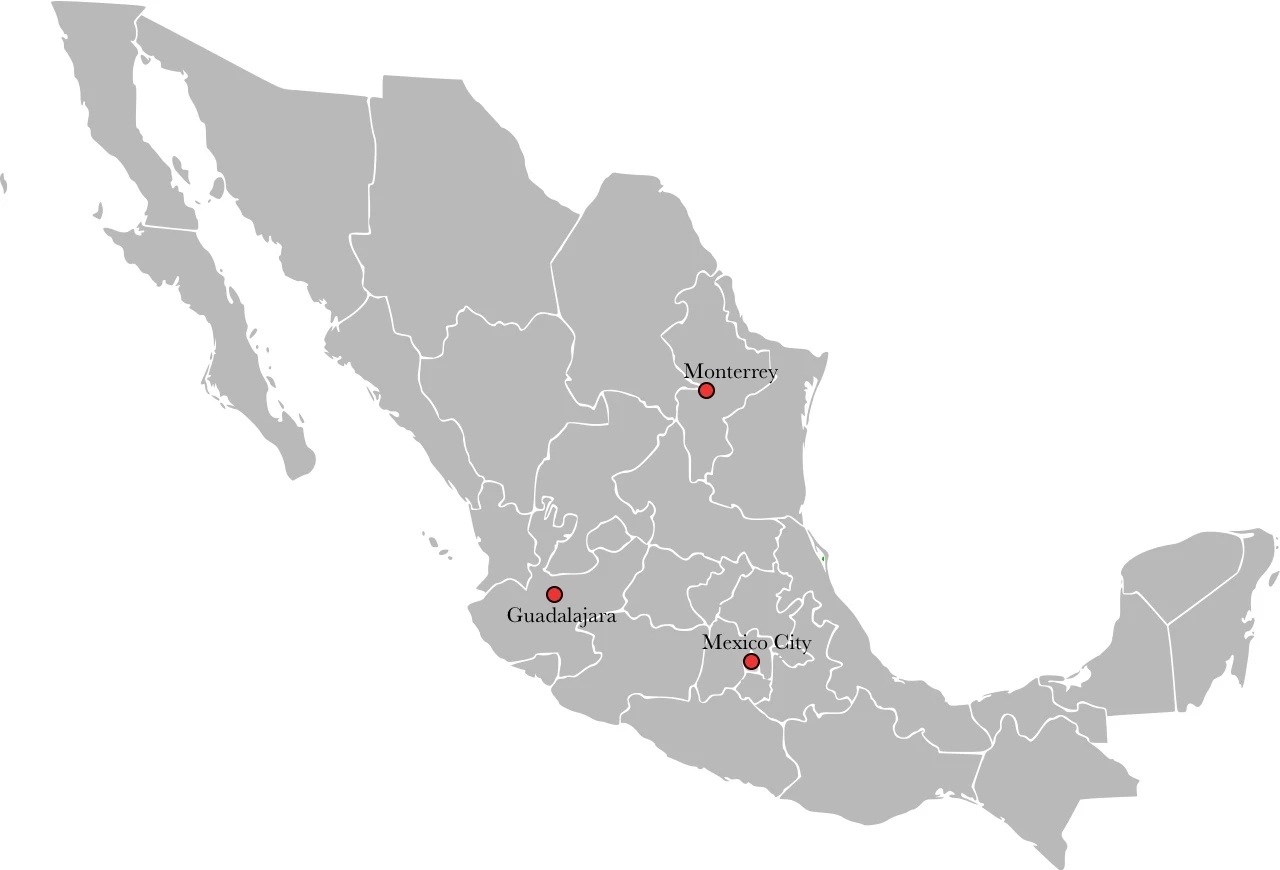
FIFA confirmed that the 2026 World Cup is its 23rd edition, the first to feature 48 teams and the first co-hosted by Canada, Mexico and the United States. The opening match was played Thursday, June 11, 2026, at Mexico City Stadium, where Mexico faced South Africa and began a home campaign that will keep all three of its group-stage matches on Mexican soil. Across the continent, the tournament will unfold over 104 fixtures in 16 host cities, but the emotional center of the first night belonged to Mexico City.
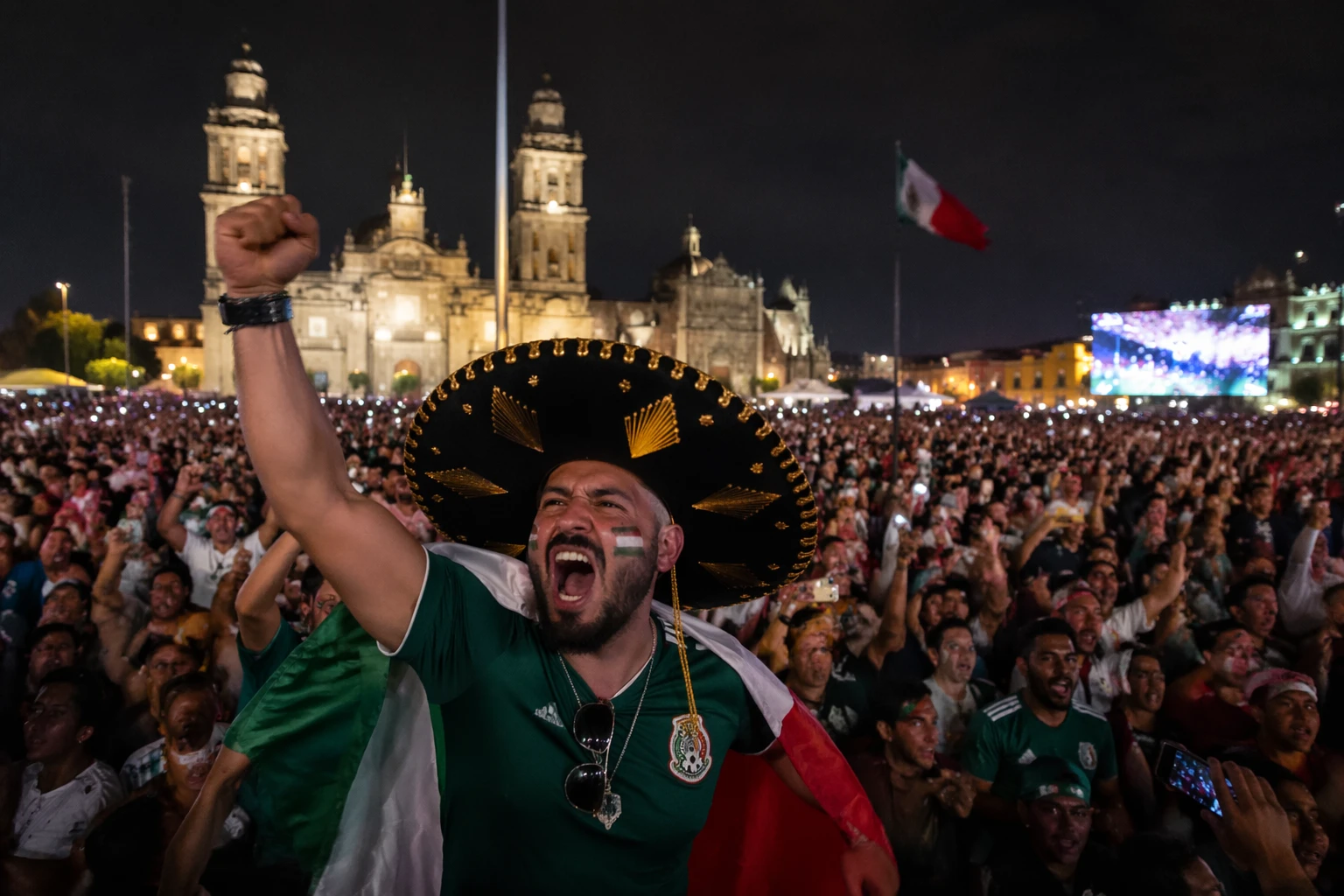
What made the celebration resonate was not only the scale, but the symbols. Cielito Lindo once again carried from plazas into stadium culture as an unofficial anthem of Mexican support, its “Ay, ay, ay, ay” chorus signaling continuity with earlier World Cups, especially Mexico 70 and Mexico 86. There is no exact date for when the song moved from public square to football stand, but its place in the modern ritual of cheering for the Selección Mexicana is settled. The same kind of nostalgia has also resurfaced in references to the Chapulín Colorado, another emblem of popular Mexican memory now folded into World Cup fandom.
The jubilant scenes in Mexico contrasted with a more restrained mood among some Mexican supporter groups in the United States, where fears of immigration enforcement had already led to absences or caution at earlier matches. That tension gave added weight to the visibility in Mexico City: the flags, songs and public gatherings were not only an expression of sporting support, but a projection of national culture on a global stage. For FIFA, the opening night also showcased the World Cup it has built as a mass civic event, and for Mexico, it was a reminder that the tournament’s biggest image-makers may be the fans themselves.
Sources
- [1]telemundo.com
- [2]fifa.com
- [3]mediotiempo.com
- [4]the-daily-herald.com