World
Mexico’s legal pressure on journalists deepens as press freedom erodes
Mexico’s legal system is being used to pressure journalists into silence, with court orders, fines and criminal complaints now working alongside public smears and threats. The result is a shrinking space for corruption reporting and election coverage, as editors and reporters weigh publication against the risk of detention, sanctions or forced self-censorship.
PEN International said June 11 that Mexico was in a worrying moment for freedom of expression, pointing to the detention of journalists in San Luis Potosí on May 21 under recently amended artificial-intelligence and digital-content legislation. The journalists were released on June 6, but the case has already become a warning sign for media workers who say vaguely written laws can be stretched to punish criticism. The group also said the government expanded its Detector de Mentiras program in May into a dedicated television show, a move it said publicly identifies information officials consider false and deepens the stigmatization of the press. PEN also criticized President Claudia Sheinbaum’s public attacks on TV Azteca as part of a broader rhetorical campaign against journalists.
The pressure is not new. The Committee to Protect Journalists says it has tracked vexatious lawsuits against journalists since 2016, after a Mexico City court eliminated the maximum compensation plaintiffs could seek in moral-damages suits. Over the past five years, CPJ says at least 158 journalists have faced libel suits. In one high-profile case, the Tamaulipas Electoral Institute ordered investigative journalist Héctor de Mauleón to remove a May 1 column and stop publishing material linking candidate Tania Contreras to criminal individuals or acts. Contreras then sued de Mauleón and El Universal on May 15, 2025, for slander and political violence based on gender. CPJ Mexico representative Jan-Albert Hootsen has described such rulings as judicial harassment and said politicians were abusing the law to silence critical reporting.
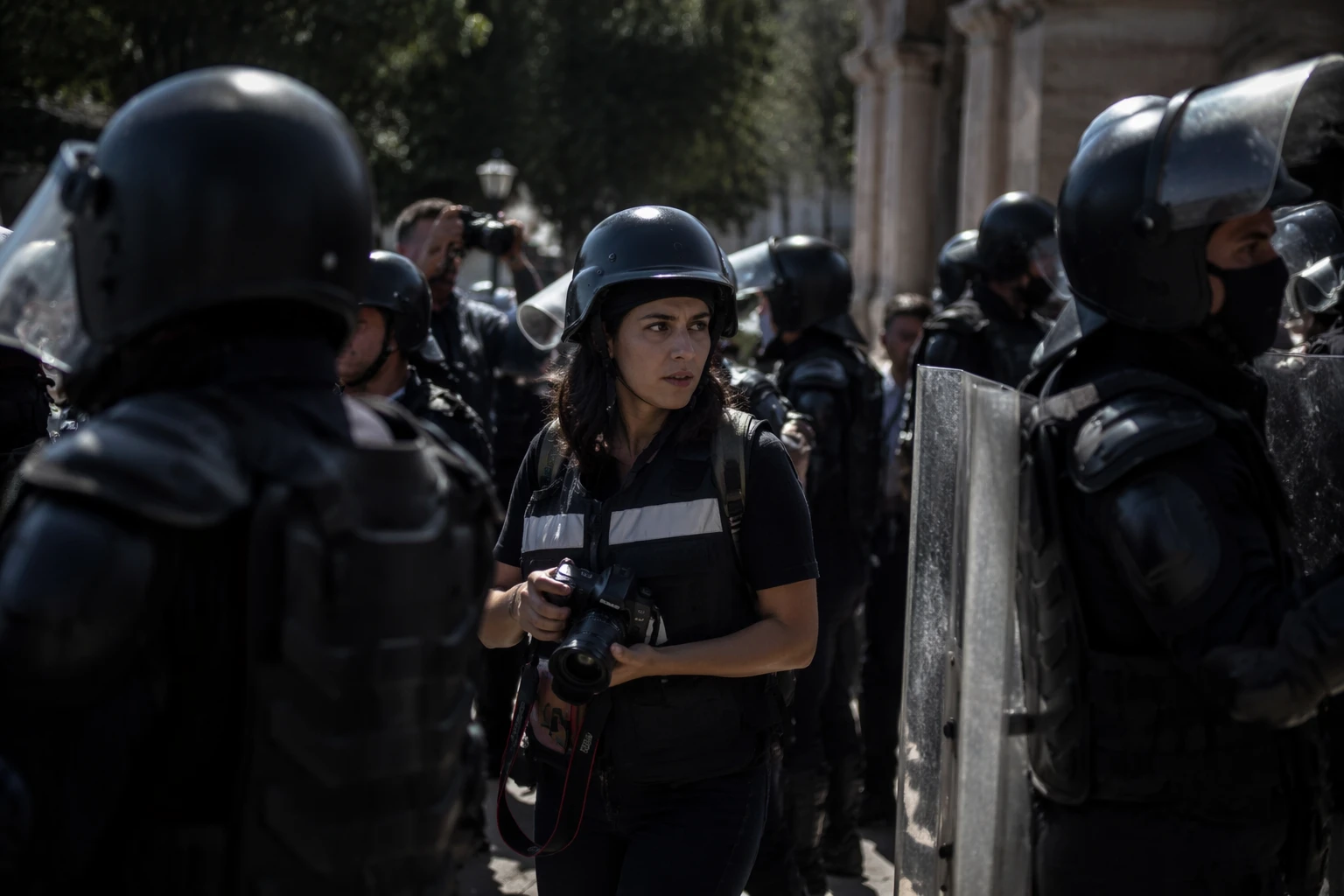
Other cases show how broad the tactics have become. In Campeche, the Inter American Press Association said a court barred journalist Jorge Luis González Valdez from mentioning Governor Layda Sansores and ordered Tribuna Campeche to submit content for prior review by a court-appointed monitor. In Puebla, a reform to the cyberharassment section of the penal code was criticized as vague enough to target journalists who criticize public officials. In Mexico City, the National Electoral Institute demanded that La Silla Rota turn over documents and sources from an investigative report, under threat of a fine of up to 11 million pesos.
ARTICLE 19’s Leopoldo Maldonado said judicial-harassment complaints have averaged about 20 a year since 2019, roughly one every three weeks, and that criminal, civil and administrative proceedings are being used less to protect reputation than to undermine journalists and outlets. CPJ says the crime of political violence based on gender, introduced in 2020 to protect women candidates, has also been deployed against reporters, including Héctor de Mauleón and Arturo Ángel Arellano Camarillo, who in January 2025 was ordered to pay an unspecified fine and reparations and to be entered in the National Electoral Institute’s register of sanctioned persons.
RSF says legal proceedings in Mexico can lead to pre-trial detention, and that censorship is often enforced through threats and direct attacks rather than explicit national press laws. With Mexico preparing to jointly host the FIFA World Cup, the legal and rhetorical crackdown is raising alarms that officials are normalizing the criminalization of journalism just as public scrutiny matters most.
Sources
- [1]nytimes.com
- [2]pen-international.org
- [3]cpj.org
- [4]latamjournalismreview.org
- [5]mexicodailypost.news
- [6]rsf.org