Sports
Mexico’s World Cup return stirs pride, but ticket prices exclude fans
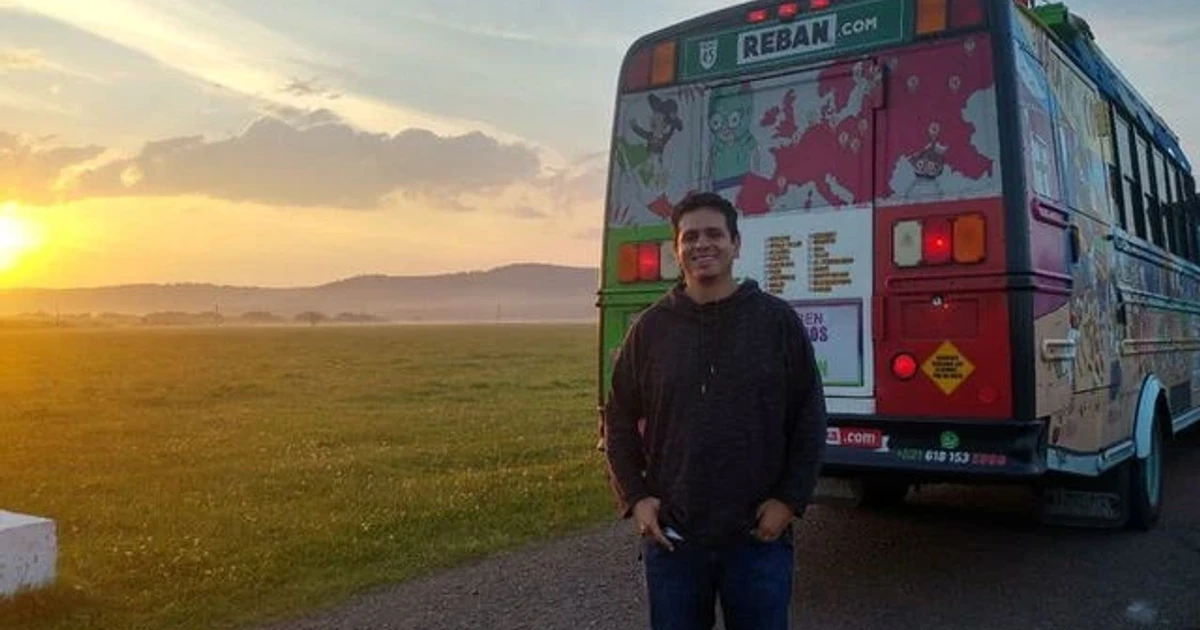
Mexico’s return as a World Cup host should have been a civic celebration, but for Eduardo Marin it has become a reminder of how far the tournament has drifted from ordinary supporters. Born in 1986, the last year Mexico hosted, Marin jokes that he has measured his life not in years but in soccer tournaments. This time, he plans to watch from outside the stadium, as the country prepares for a third men’s World Cup and Estadio Azteca in Mexico City readies to open the 2026 tournament on June 11, becoming the first stadium to host three World Cup opening matches.
The symbolism is hard to miss. Mexico became the first country to host or co-host the men’s World Cup three times, after 1970 and 1986, and reached the quarterfinals in both of those home tournaments. In 2026, the country is part of the first 48-team men’s World Cup, staged across 16 locations in Canada, Mexico and the United States. Mexico will play all three of its group-stage games on home soil, giving the tournament a distinctly local edge in Guadalajara, Monterrey and Mexico City.
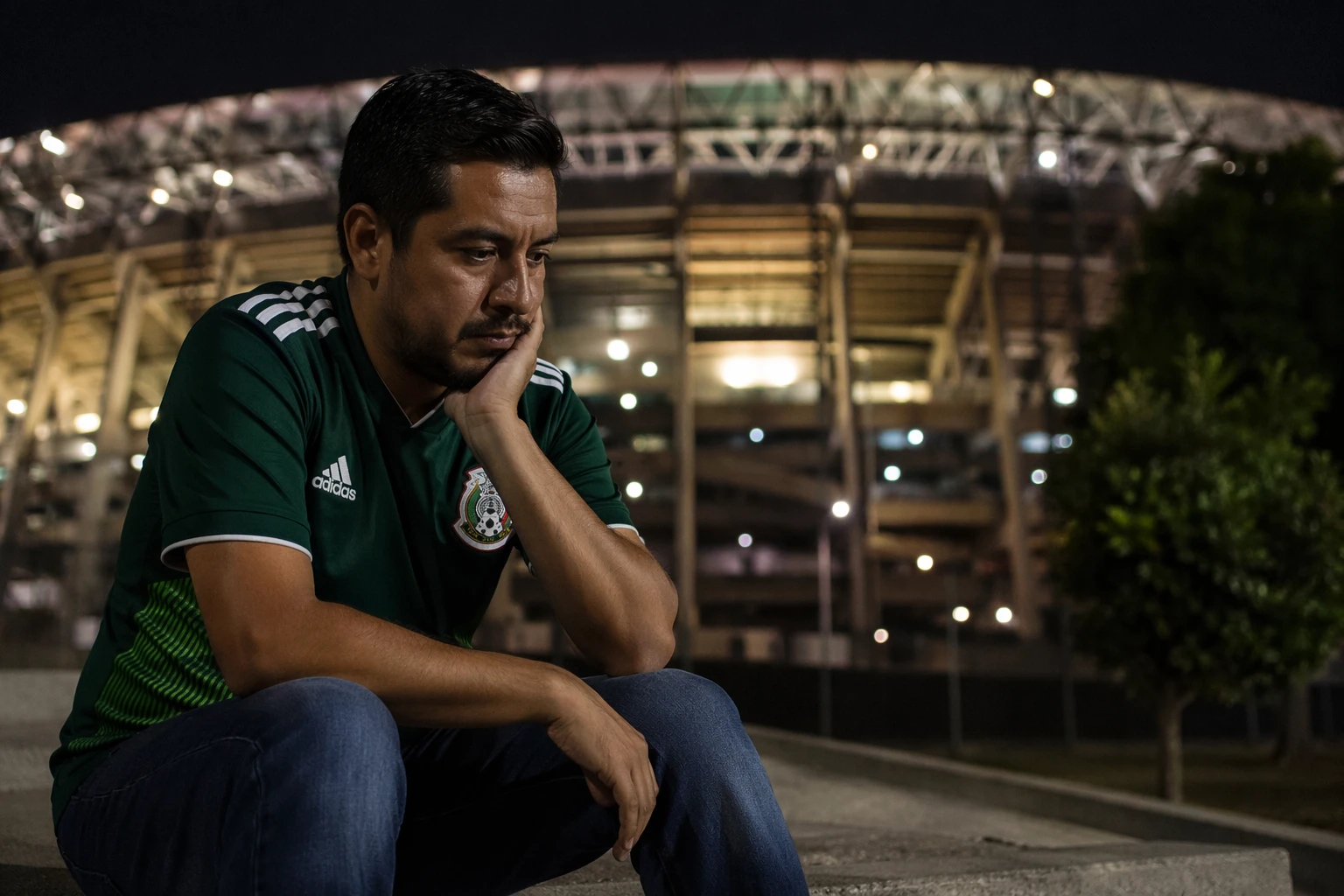
Yet the event has also sharpened a sense that access is being rationed. FIFA said nearly two million tickets were bought in the first two general-public sales phases by December 2025, and it introduced a $60 Supporter Entry Tier for all 104 matches, including the final, after demand surged. Even so, many Mexican fans say the basic cost of attending remains out of reach, especially as premium pricing and corporate hospitality reshape the experience around them.
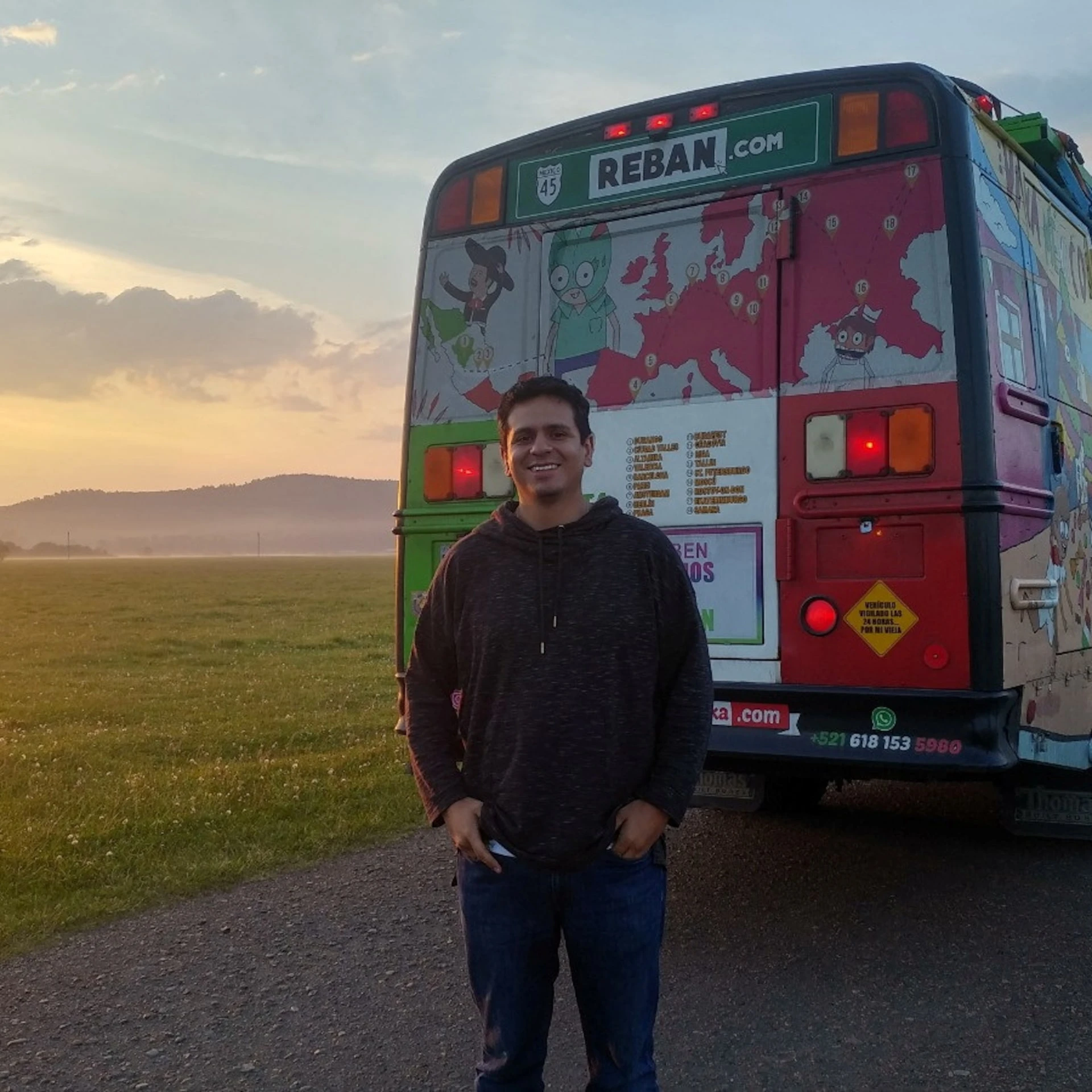
The squeeze is not limited to stadium seats. Expensive television subscriptions have pushed some matches behind paywalls, while strict licensing rules have limited the number of bars, especially in less well-off neighborhoods, that are allowed to show the games. That has deepened the impression that the World Cup is becoming a gated event in a country where football is part of daily life, not just a luxury product.
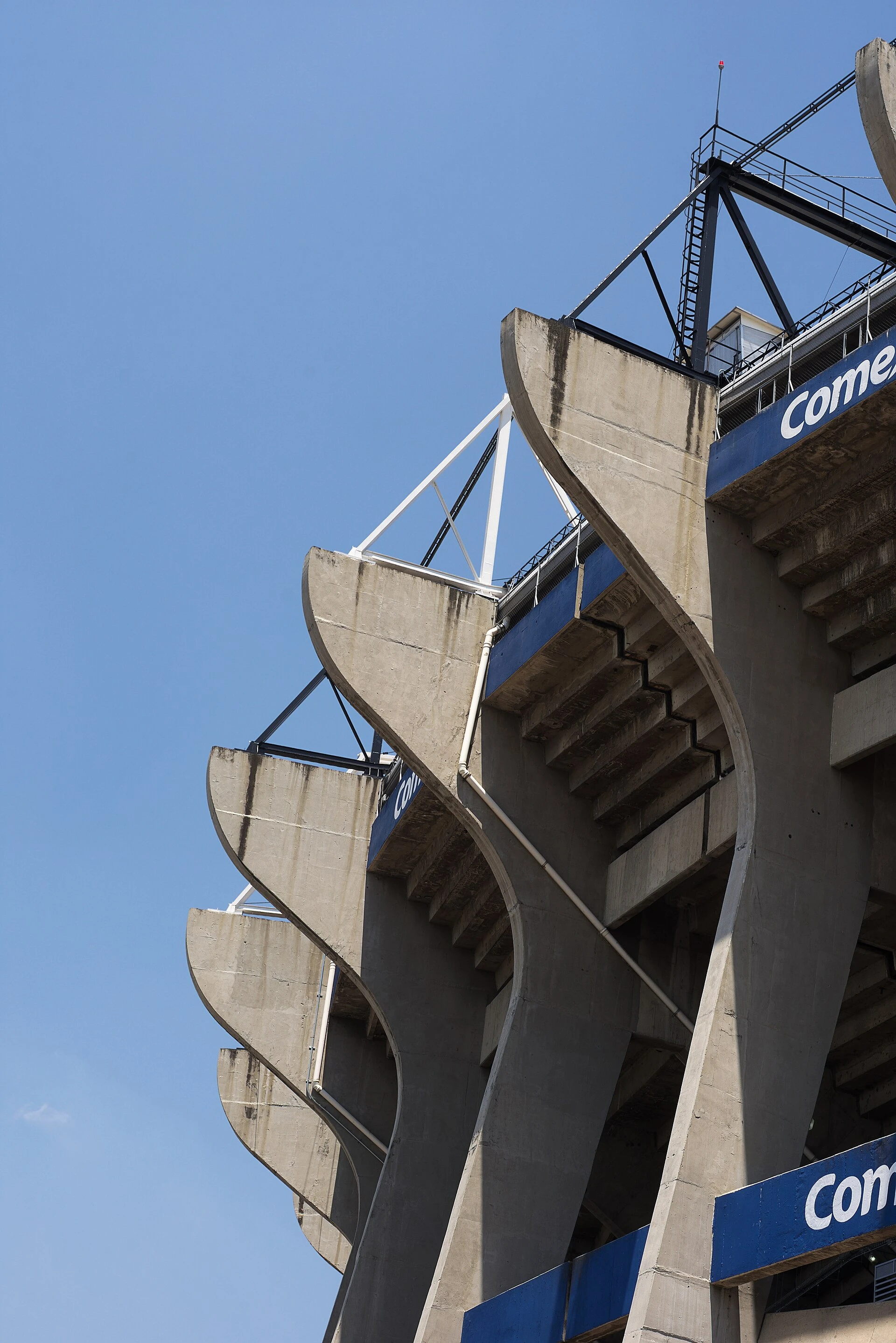
For Marin and many others, the tension runs through the entire tournament. The World Cup still promises tourism, branding and global attention, but in Mexico it also exposes who gets to enjoy the spectacle and who is left outside it. As the opener in Mexico City nears and the home games approach, the test is whether a national mega-event can still feel like it belongs to the people who built their lives around it.
Sources
- [1]usnews.com
- [2]sports.yahoo.com
- [3]fifa.com