Lifestyle
Michelin-Star Chef Elevates Leftover Food to Fine Dining
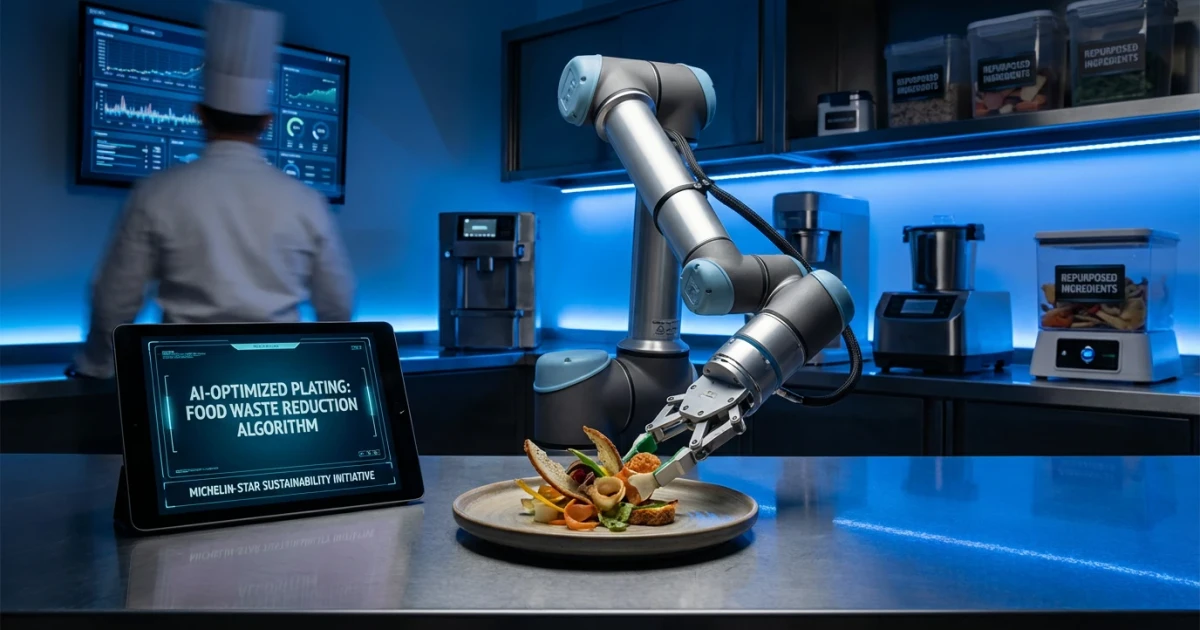
Michelin-star restaurants are renowned for their high standards and exquisite cuisine, but one acclaimed chef is gaining attention for a different reason: using leftover food to create fine dining experiences. As reported by The Times of India, this innovative approach not only highlights culinary creativity but also addresses the pressing global issue of food waste.
The Chef’s Unique Approach to Leftover Food
Traditionally, fine dining establishments are associated with meticulously sourced ingredients and elaborate preparations. However, this Michelin-star chef is challenging the status quo by reimagining how leftovers from restaurant kitchens can be repurposed into gourmet meals. By doing so, the chef is demonstrating that sustainability and luxury can coexist on the same plate.
According to The Times of India, the chef's methods include:
- Transforming vegetable trimmings into flavorful broths and sauces
- Reworking surplus proteins and grains into new, inventive menu items
- Incorporating day-old bread and pastries into desserts and side dishes
This practice not only reduces food waste but also encourages staff to think creatively about every ingredient’s potential.
Food Waste: A Global Challenge
The chef’s efforts are especially relevant given the scale of the food waste problem worldwide. According to the United Nations Environment Programme’s Food Waste Index Report, an estimated 931 million tonnes of food are wasted globally each year, with restaurants and food service businesses accounting for a significant portion. The ReFED Food Waste Monitor further breaks down this issue, showing that commercial kitchens are responsible for millions of tonnes of wasted food annually in the United States alone.
By adopting the chef’s approach, restaurants can not only reduce their environmental footprint but also realize cost savings and inspire positive change throughout the industry.
Setting an Example for the Industry
High-profile chefs have a unique platform to influence dining culture. This Michelin-star chef’s commitment to utilizing leftovers is part of a broader movement among culinary leaders to promote sustainability. The Michelin Guide has recognized several initiatives by chefs who are tackling food waste, from rethinking menu design to partnering with organizations that redistribute surplus food.
The chef’s philosophy aligns with the EPA Food Recovery Hierarchy, which prioritizes source reduction, food donation, and the creative reuse of surplus ingredients as key strategies for managing food waste sustainably.
Looking Ahead: The Impact of Culinary Innovation
As awareness of food waste grows among consumers and industry professionals, the practices pioneered by this Michelin-star chef could become more widespread. By demonstrating that leftover food can be transformed into remarkable dishes, the chef is not only reducing waste but also elevating the conversation around sustainability in fine dining.
With global food waste numbers remaining alarmingly high, the chef’s example serves as a reminder that innovation and responsibility can go hand in hand. As more restaurants follow suit, the culinary world may help drive meaningful progress toward a more sustainable future.