Health
Michigan cyclosporiasis outbreak tops 1,000 cases, source still unknown
Michigan’s cyclosporiasis outbreak climbed to nearly 1,000 reported cases, and officials still had not pinned down a food source. The parasite had spread across at least 35 counties, with the highest counts in Monroe, Washtenaw and Lenawee counties, and 36 people had been hospitalized with no deaths reported.
The Michigan Department of Health and Human Services and the Michigan Department of Agriculture and Rural Development are still investigating the growing outbreak with local health departments after cases first surged in Monroe, Lenawee, Washtenaw, Wayne, Livingston, Shiawassee and Jackson counties. Michigan normally identifies about 50 cyclosporiasis cases in a year.
Cyclosporiasis spreads through food or water contaminated with stool and is not known to spread from person to person. Symptoms can begin two to 14 days after exposure and include watery diarrhea, loss of appetite, weight loss, abdominal cramps, bloating, nausea, fatigue, vomiting, body aches, headache and a low-grade fever. Without treatment, the illness can last from days to a month or longer and may come and go, which is one reason health officials urge people with sudden, ongoing diarrhea to seek medical care and contact their local health department.
Dr. Natasha Bagdasarian, Michigan’s chief medical executive, expected additional cases as the outbreak moved through the state. MDARD’s Human Food Division is working to identify the source and is emphasizing handwashing and washing produce. Officials had not identified a specific food, grower or supplier by July 7 and July 8.

Past Cyclospora outbreaks have been tied to fresh produce including bagged lettuce, basil, raspberries, cilantro, salad mix and snow peas.
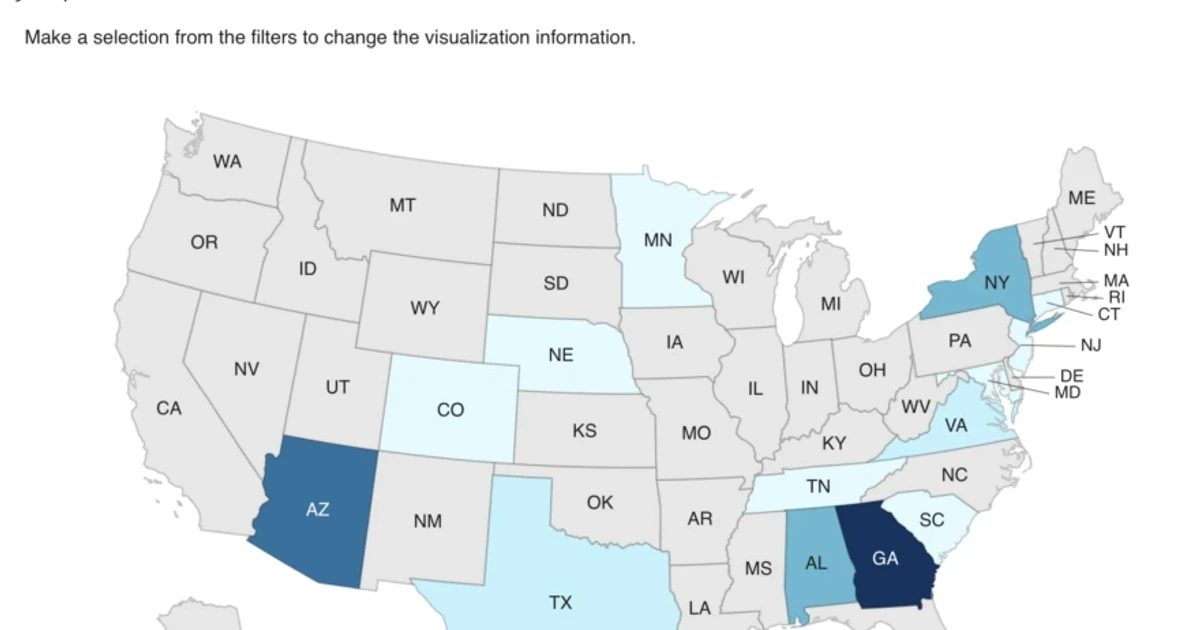
The CDC classifies cyclosporiasis as a nationally notifiable disease, reportable in 47 states, the District of Columbia and New York City, and the season generally runs from May 1 through Aug. 31. From May 1 through June 16, the CDC had received reports of 145 U.S.-acquired cases, including 20 hospitalizations and no deaths. The CDC found no evidence of a single multistate outbreak linking all of those cases, but rather several clusters under investigation.
Trimethoprim-sulfamethoxazole, or TMP-SMX, is the treatment of choice for cyclosporiasis, although many healthy people recover without medication.
Sources
- [1]cbsnews.com
- [2]michigan.gov
- [3]cdc.gov
- [4]clickondetroit.com
- [5]today.com