Health
Michigan Medicine compound reverses fatty liver disease by repairing gut
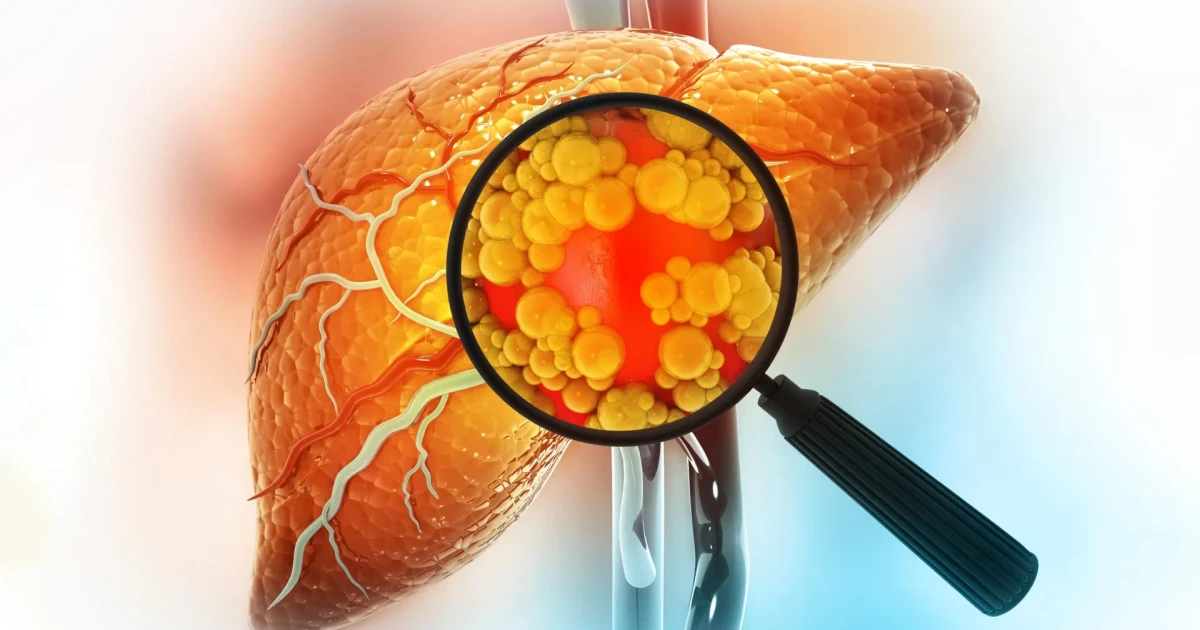
A Michigan Medicine compound called DT-109 reversed severe fatty liver disease in animal studies by repairing the gut barrier instead of targeting the liver alone. The work, published in The Journal of Clinical Investigation, tracked the drug across human cohorts, nonhuman primates and mice, and points to a new route for treating metabolic dysfunction-associated steatohepatitis, or MASH, a condition that affects about 7% of the global population.
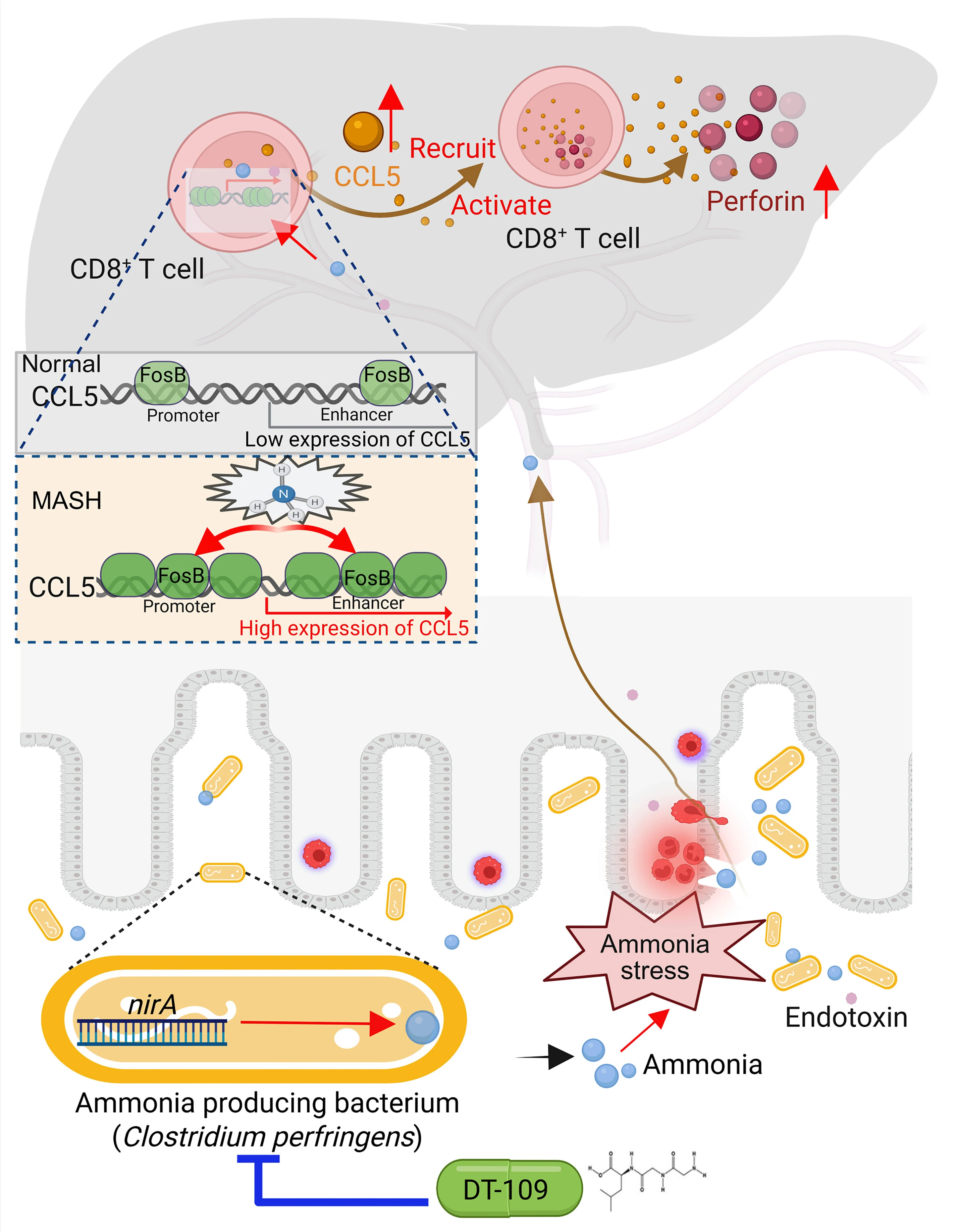
The study linked MASH progression to intestinal microbial dysbiosis, ammonia production and overactive hepatic CD8+ T cells. Researchers found elevated levels of Clostridium perfringens, a bacterium that produces ammonia and can damage the intestinal lining. As that barrier weakened, harmful microbial products reached the liver and helped trigger inflammation. DT-109, a glycine-based tripeptide developed at the University of Michigan, lowered C. perfringens abundance, reduced intestinal ammonia and restored gut barrier integrity in the animal models.
The mechanism was more detailed than earlier summaries of the work suggested. The JCI paper said elevated ammonia triggered FosB-mediated upregulation of CCL5 in CD8+ T cells, which increased their cytotoxic activity in the liver. A related JCI summary said DT-109 also inhibited bacterial nitrite reductase A-mediated microbial ammonia production, interrupting the chain of damage that tied the gut to the liver. In the nonhuman primate and mouse models, that translated into less inflammatory injury and better liver and intestinal health.
Y. Eugene Chen, the senior author, said the findings provide clear evidence that the compound protects the gut barrier and may have potential as a treatment for MASH and other diseases tied to gut health. Michigan Medicine said treatment options for MASH remain limited despite recent therapeutic advances, which is one reason the gut-liver axis has become such an active target for drug development. The study suggests that severe fatty liver disease may be reversible if the microbial and immune signals feeding the liver are addressed upstream.
DT-109 is also being watched beyond liver disease. Michigan Medicine said the same compound may hold promise for gastrointestinal and cardiovascular disorders, and University of Michigan researchers reported in April 2025 that it reduced atherosclerosis in nonhuman primates, limiting plaque formation in the aorta and coronary arteries. For now, the MASH results remain preclinical, but they strengthen a growing case that intestinal health can shape liver outcomes in ways that could eventually change how the disease is treated in patients.
Sources
- [1]sciencedaily.com
- [2]michiganmedicine.org
- [3]jci.org