Politics
Michigan Senate primary stays too close to call as Democrats split
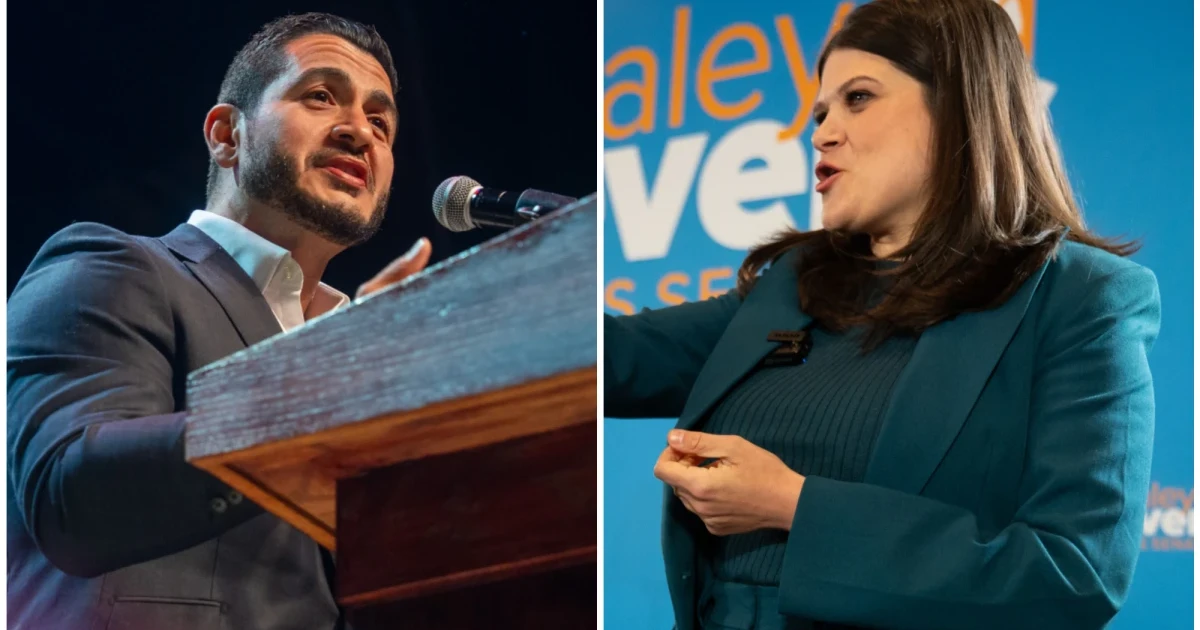
Abdul El-Sayed led in several key Michigan counties, but the Democratic Senate primary remained too close to call as of Aug. 5. The matchup between the progressive physician and former public health official and Rep. Haley Stevens, a centrist four-term House member, turned into the state’s sharpest test of whether Democrats want ideological energy or a nominee with establishment backing.
Former Rep. Mike Rogers was unopposed in the Republican Senate primary, leaving the Democratic winner to face a general-election race that will help define the state’s 2026 map. Stevens rallied the Washington and Michigan Democratic establishments to her side, while El-Sayed drew attention from progressive figures, making the contest a proxy fight over the party’s future as much as a race for one Senate seat.
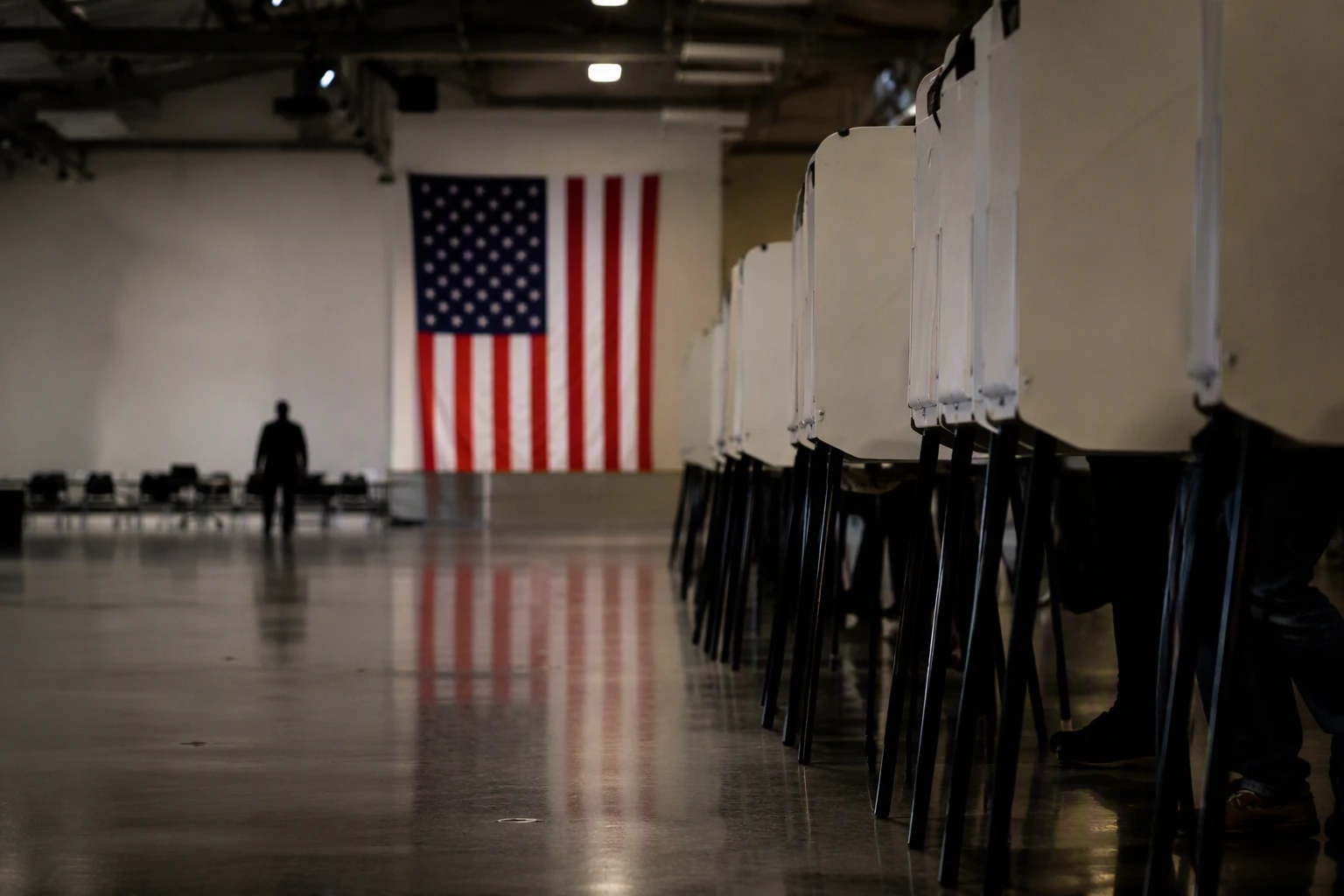
Michigan’s vote came inside a five-state primary day that also included Kansas, Missouri, Virginia and Washington. The Associated Press said the day’s Democratic contests were also testing the growing clout of the party’s progressive wing and the American Israel Public Affairs Committee, while Republican primaries were measuring the pull of President Donald Trump’s endorsements up and down the ballot. With multiple November marquee races still being set, the primaries carried weight far beyond local mapmaking.
The same split showed up across Michigan’s House races. Democrats faced a three-way contest in the 7th Congressional District for the chance to challenge GOP Rep. Tom Barrett, while both parties held open primaries in the 10th District after Republican Rep. John James left the seat to run for governor. Stevens’ Senate bid also opened the 11th District, adding another seat to the night’s churn, and Rep. Shri Thanedar’s race was shaped by the day’s redistricting and primary dynamics.
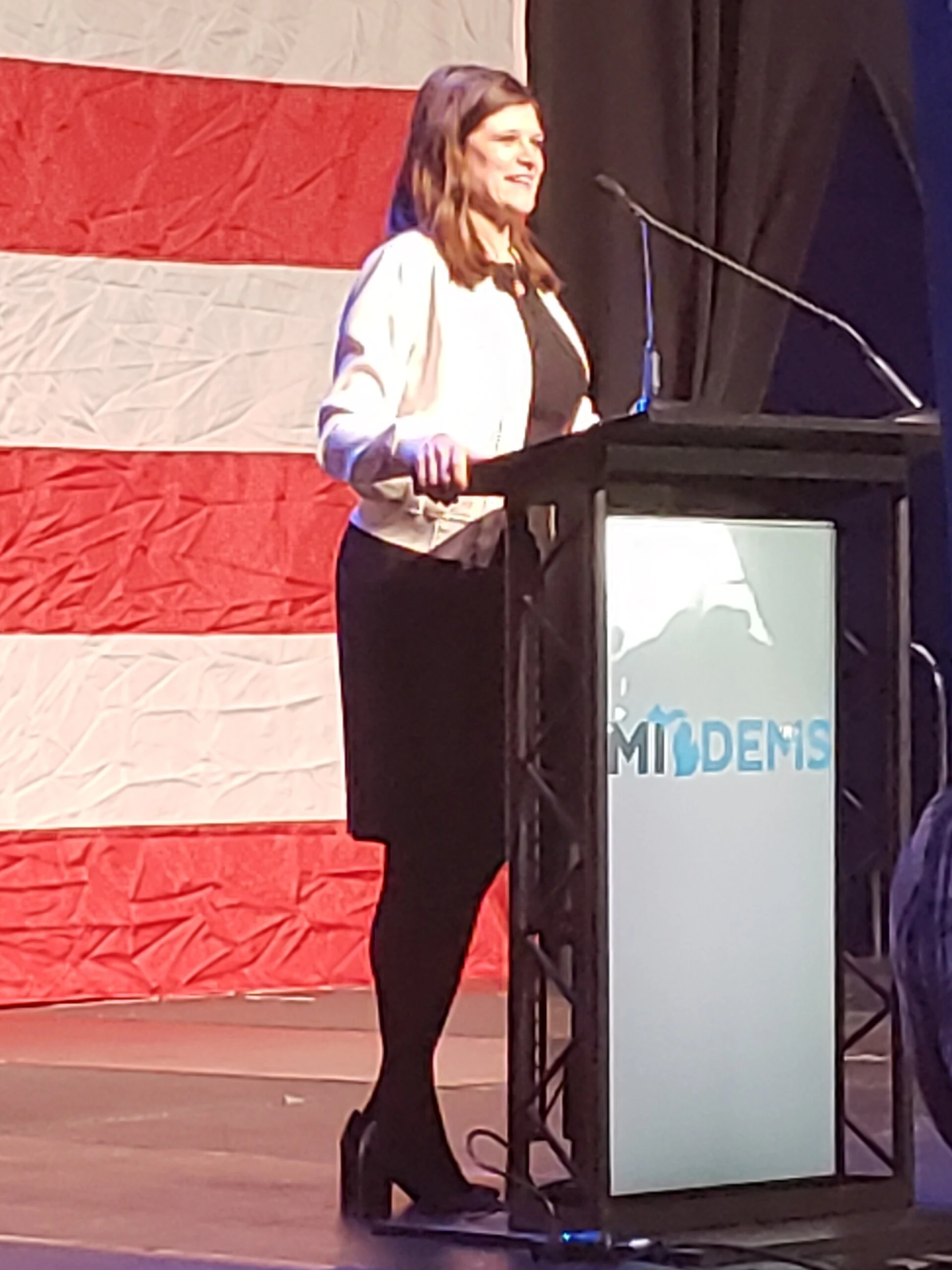
That combination of races made Michigan a sharp read on 2026 politics: party voters were not just choosing nominees, they were sorting between pragmatists and insurgents and deciding which candidates looked most capable of surviving a November election. In a cycle when 270toWin said 11 states would hold contests over the following week, Michigan’s unresolved Senate race and mixed House results suggested that Democratic voters were still willing to split between institutional comfort and movement-style enthusiasm.
Sources
- [1]washingtonpost.com
- [2]apnews.com
- [3]nbcnews.com
- [4]nytimes.com
- [5]270towin.com
- [6]bridgemi.com
- [7]cnn.com
- [8]michiganadvance.com