Politics
Michigan Senate primary tests Democrats’ future as El-Sayed leads Stevens
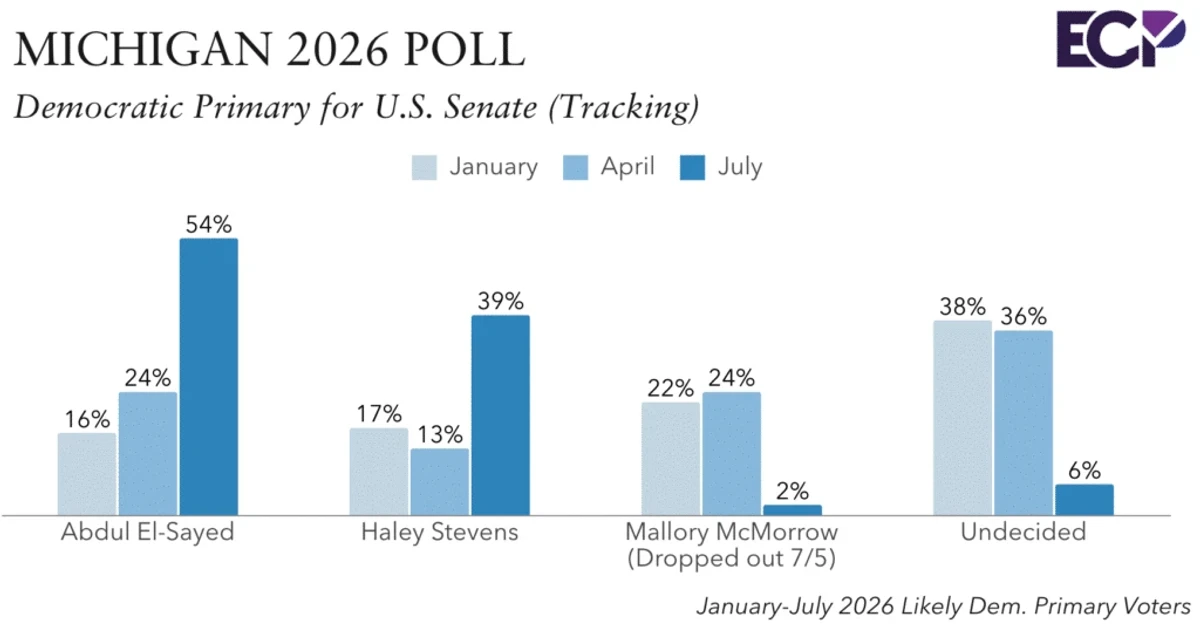
Abdul El-Sayed led Haley Stevens 54% to 39% in a July 30 Emerson College Polling survey, the sharpest sign yet that Michigan Democrats are entering Tuesday’s Senate primary split between a populist message and a more pragmatic pitch. The seat is open because Sen. Gary Peters is not seeking re-election in 2026, and former Rep. Mike Rogers is unopposed for the Republican nomination.
The primary has become a larger test of where Democrats want their party to go. NPR described the contest as a proxy battle between establishment and insurgent politics, and between a more moderate line and a progressive one. El-Sayed, the former Wayne County health director and a longtime critic of corporate influence, has leaned into a left-leaning, anti-establishment message. Stevens, a congresswoman from Michigan, has cast herself as the candidate best able to win back voters who might otherwise sit out a general election.
The numbers have remained volatile. A poll reported by The Hill on Aug. 3 found Rogers ahead of El-Sayed and Stevens slightly ahead of Rogers in some general-election matchups. A July 10 memorandum from Data for Progress and the Working Families Party said a June 15-22 survey found El-Sayed leading Rogers 47% to 46% in one general-election test, while Stevens trailed Rogers 45% to 46%. That memo also argued El-Sayed was better known, more popular, and more resilient to negative attacks.

Money and Israel have driven much of the clash between the two Democrats. Reporting in early August showed Stevens and El-Sayed trading sharp attacks over campaign spending and U.S. support for Israel, while AIPAC spent heavily against El-Sayed. Those fights have sharpened the ideological stakes beyond a simple name-recognition race and have given both campaigns a clear turnout test: El-Sayed’s operation is betting on younger voters and disaffected Democrats, while Stevens is aiming to unite moderates and mainstream Democratic voters who want a more conventional nominee.
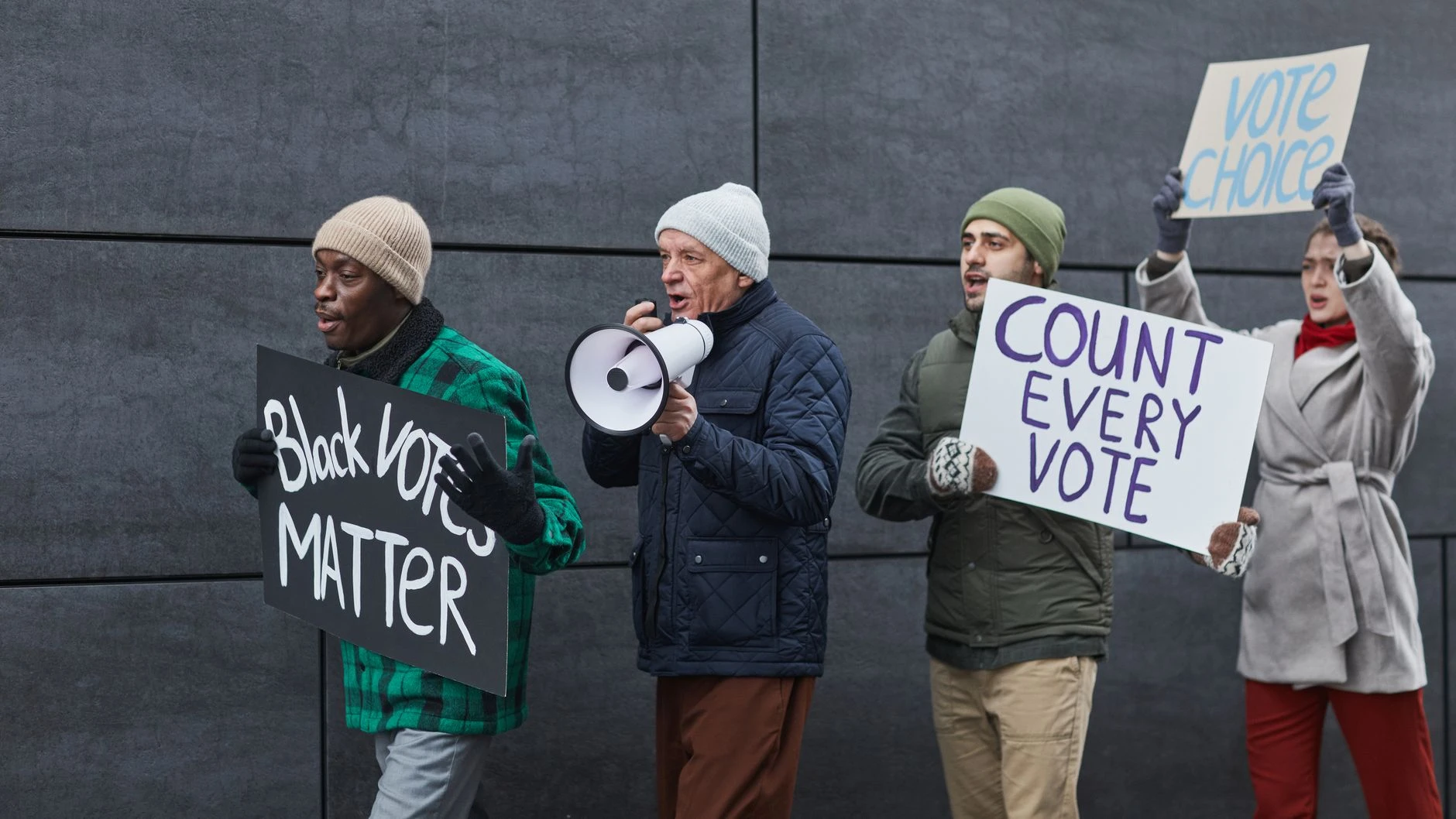
Michigan’s Black voters have also been singled out in national coverage as a potentially decisive bloc in the primary. With Rogers waiting on the Republican side, the outcome on the Democratic ballot will determine whether Democrats choose a nominee built on centrist persuasion or one driven by populist mobilization.
Sources
- [1]cbsnews.com
- [2]npr.org
- [3]thehill.com
- [4]emersoncollegepolling.com
- [5]workingfamilies.org
- [6]aljazeera.com
- [7]motherjones.com
- [8]bridgemi.com
- [9]nytimes.com