Politics
Michigan Senate primary turns into costly fight over Israel, party future
Haley Stevens spent the final stretch of Michigan's Democratic Senate primary defending her support for Israel and the flood of outside money behind her campaign as the open seat left by retiring Sen. Gary Peters drew to a close. The race pitted Stevens against Abdul El-Sayed and Mallory McMorrow in a contest that became one of the most expensive Democratic primaries ever.
AIPAC and its affiliated groups had spent nearly $30 million backing Stevens over El-Sayed, a sum that made the Michigan race the group's largest single-race investment ever. Outside groups overall had spent more than $60 million trying to help Stevens, and United Democracy Project relied on Republican and out-of-state mega-donors to finance much of the effort. The scale of the spending turned the primary into a test case for how much influence donor networks can exert in a race that was supposed to settle who best represents Michigan Democrats.

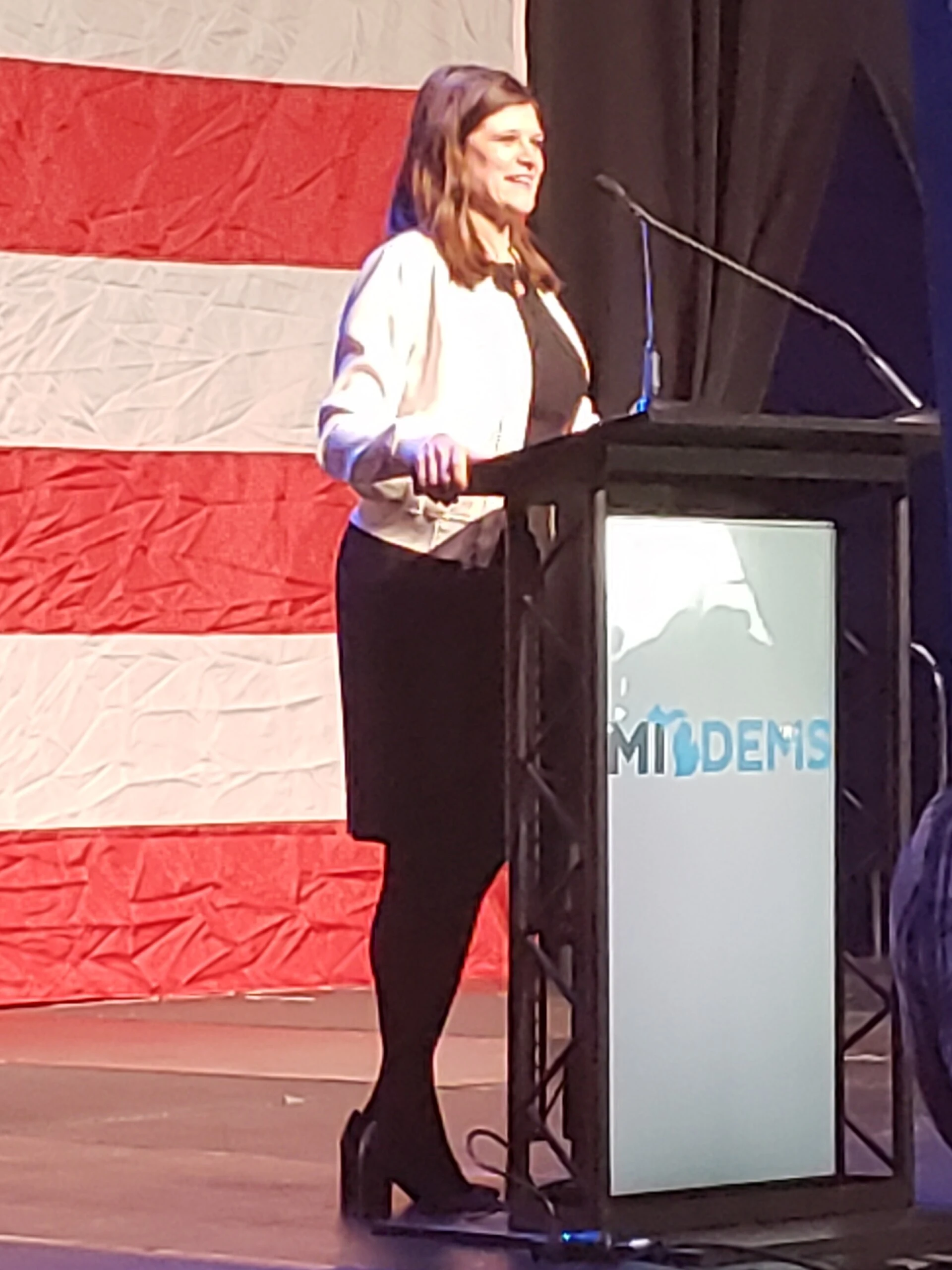
At the final televised debate before the primary, Stevens and El-Sayed clashed over outside spending, electability and the attacks surrounding the race. Stevens faced criticism from El-Sayed over the AIPAC-backed money flowing into her campaign, while El-Sayed faced scrutiny over his own fundraising and coalition-building. The debate also sharpened the divide between Stevens, who was cast by supporters as the establishment and moderate favorite, and El-Sayed, a progressive and former Wayne County health director who has argued that the party should not mistake donor pressure for voter demand.
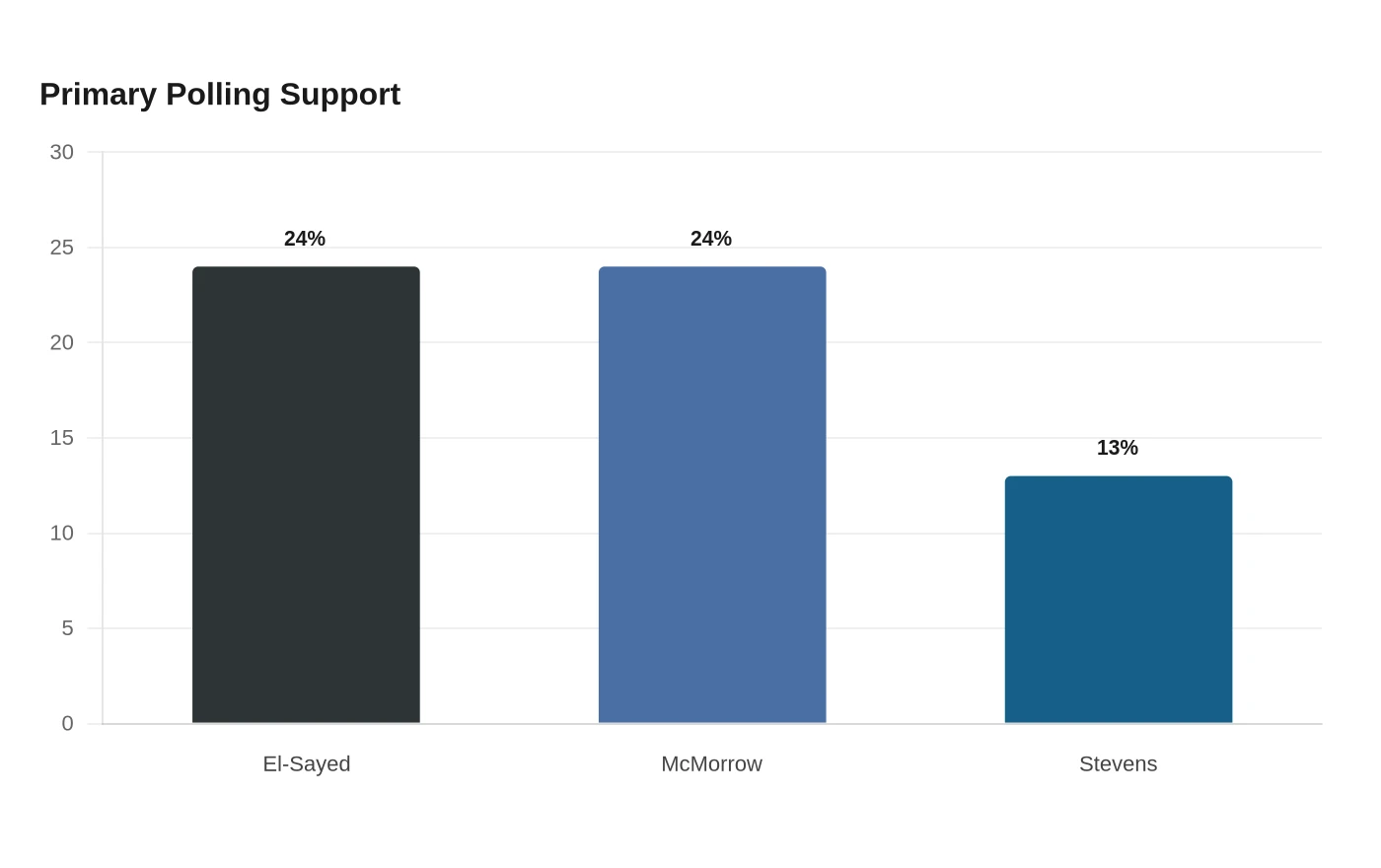
Polling released days before the primary showed how unsettled the race remained. El-Sayed and McMorrow each had 24 percent support among likely Democratic primary voters, while Stevens trailed at 13 percent. That three-way split kept the outcome uncertain even as Stevens drew the heaviest outside spending and the broadest scrutiny over her positioning on Israel and her appeal to party leaders.
El-Sayed used his final interviews to argue for a broader coalition of Democratic voters and to push back on the idea that Michigan voters are automatically moderate simply because Donald Trump carried the state twice. With Peters' retirement creating an open U.S. Senate seat, the primary became more than a fight over one nominee. It became a signal of whether Michigan Democrats want a candidate who reflects the party's center, or a message aimed at a more restless base heading into 2026.
Sources
- [1]cbsnews.com
- [2]apnews.com
- [3]aljazeera.com
- [4]opensecrets.org
- [5]bridgemi.com
- [6]thehill.com
- [7]freep.com
- [8]newarab.com
- [9]pbs.org