Politics
Michigan Senate rivals clash over Israel after McMorrow exits race
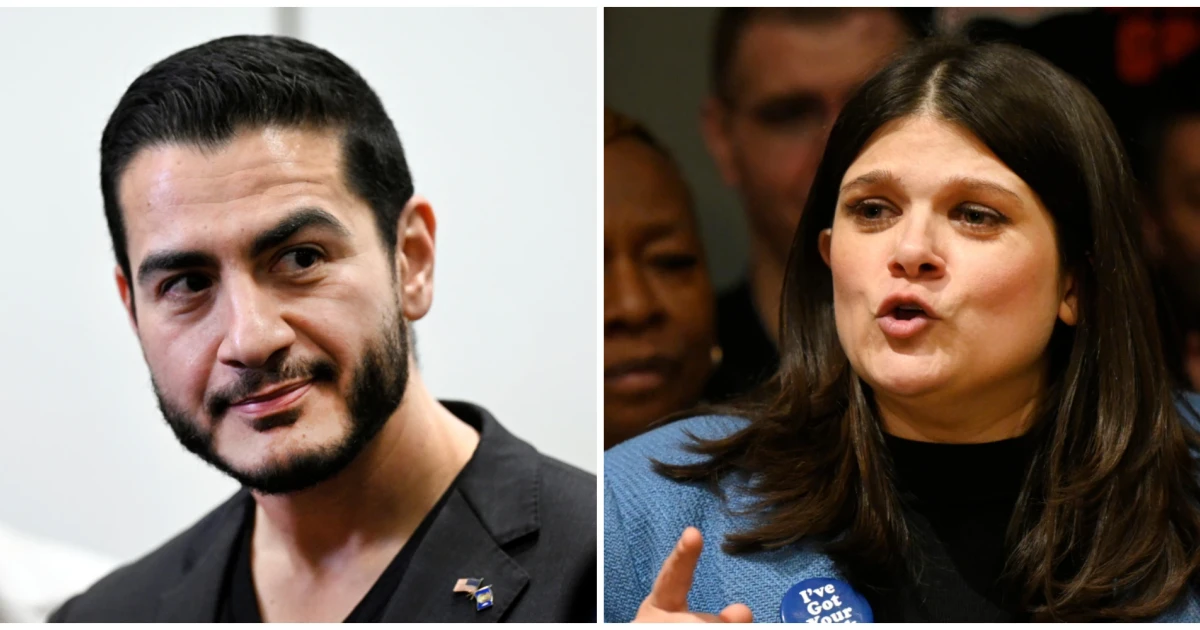
Mallory McMorrow’s exit from the Michigan Senate race turned the July 7 Grand Rapids debate into a sharper two-person fight over Israel, money and electability. After McMorrow suspended her campaign on Sunday, July 5, the Democratic primary for the seat held by Gary Peters narrowed to Rep. Haley Stevens and former Wayne County health director Abdul El-Sayed.
The Grand Rapids faceoff was the first one-on-one televised debate between Stevens and El-Sayed since McMorrow left the race. It came after a combative May 28 debate at the Mackinac Policy Conference, where the three candidates sparred over foreign policy, campaign finance, AI data centers, Medicare for All and Israel, setting up the issue to remain central as Michigan heads toward its August 5 primary.
Israel has become more than a foreign policy disagreement in this primary. Stevens has leaned on her pro-Israel record and has rejected Senate resolutions that would have blocked offensive weapons sales to Israel, a stance aimed at signaling steadiness to voters in a state where party leaders are weighing general-election risk as much as ideological fit. El-Sayed, by contrast, has positioned himself against AIPAC and has tied his campaign to the “uncommitted” movement from the 2024 Democratic presidential primary, a sign that he is still speaking to Michigan Arab-American communities angered by the Gaza war.
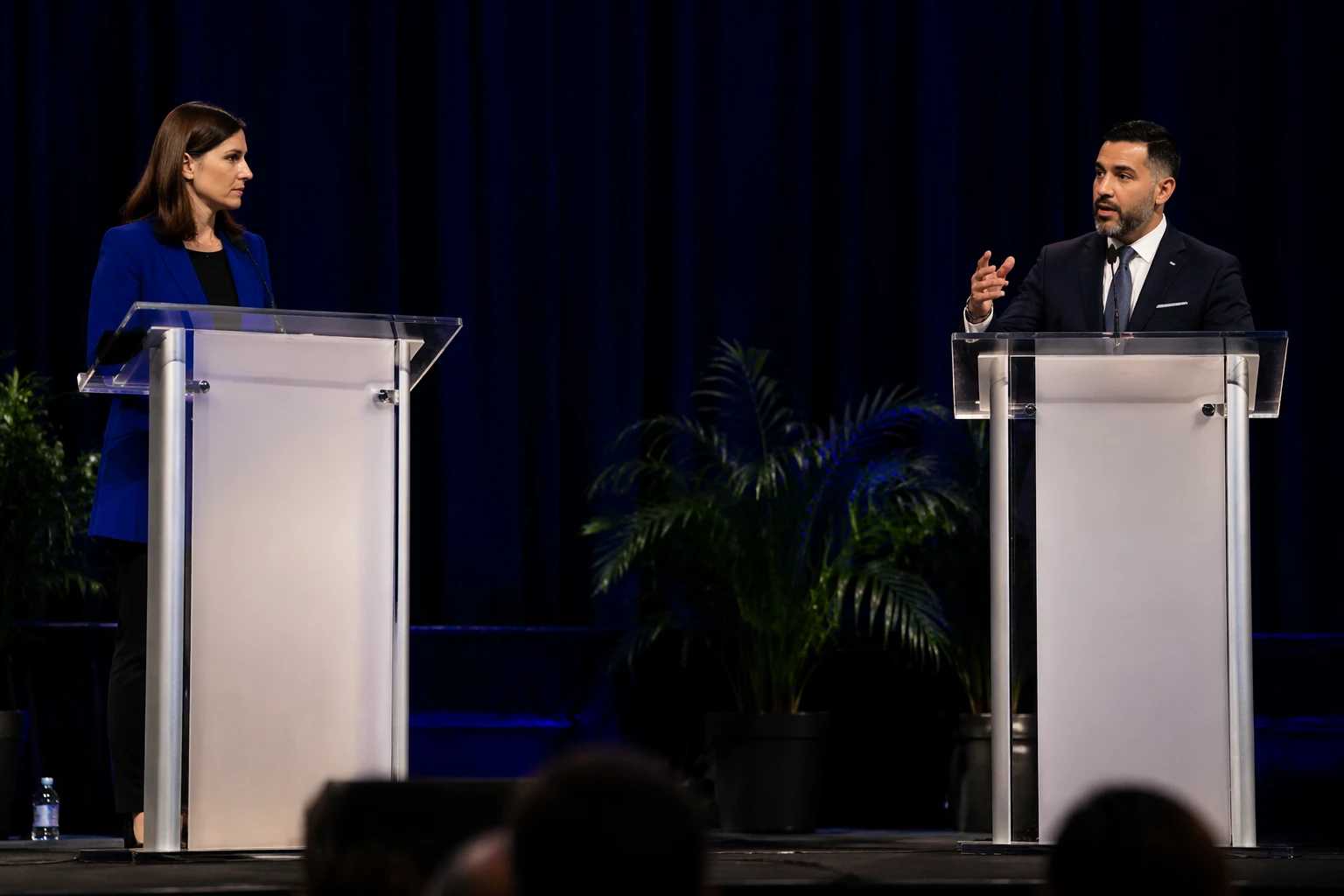
That divide now serves as a proxy for two different theories of how Democrats can hold the seat. Stevens is arguing that her position fits a statewide race that will be decided in a politically competitive state, while El-Sayed is betting that a more openly critical posture on Israel can energize voters who want sharper distance from Washington orthodoxy. The issue has also sharpened the role of outside spending, with millions of dollars in AIPAC-backed advertising helping fuel the clash over who is best positioned to win in November.
McMorrow’s withdrawal, coming after the surge of spending behind Stevens, removed the last major alternative in the Democratic field and made the Israel dispute even more direct. What had been a three-way contest over policy, money and electability became a two-candidate test of which message can survive a general election in Michigan.

The race carries national consequences because Democrats need to hold Peters’ open seat to have a path back to the Senate majority. The winner is expected to face Republican Mike Rogers, who lost to Elissa Slotkin in 2024, in a state that is once again likely to sit near the center of the chamber’s control fight.
Sources
- [1]cbsnews.com
- [2]pbs.org
- [3]michiganadvance.com
- [4]punchbowl.news
- [5]semafor.com
- [6]c-span.org