Entertainment
Mick Jagger reflects on fame, aging and the Rolling Stones' legacy
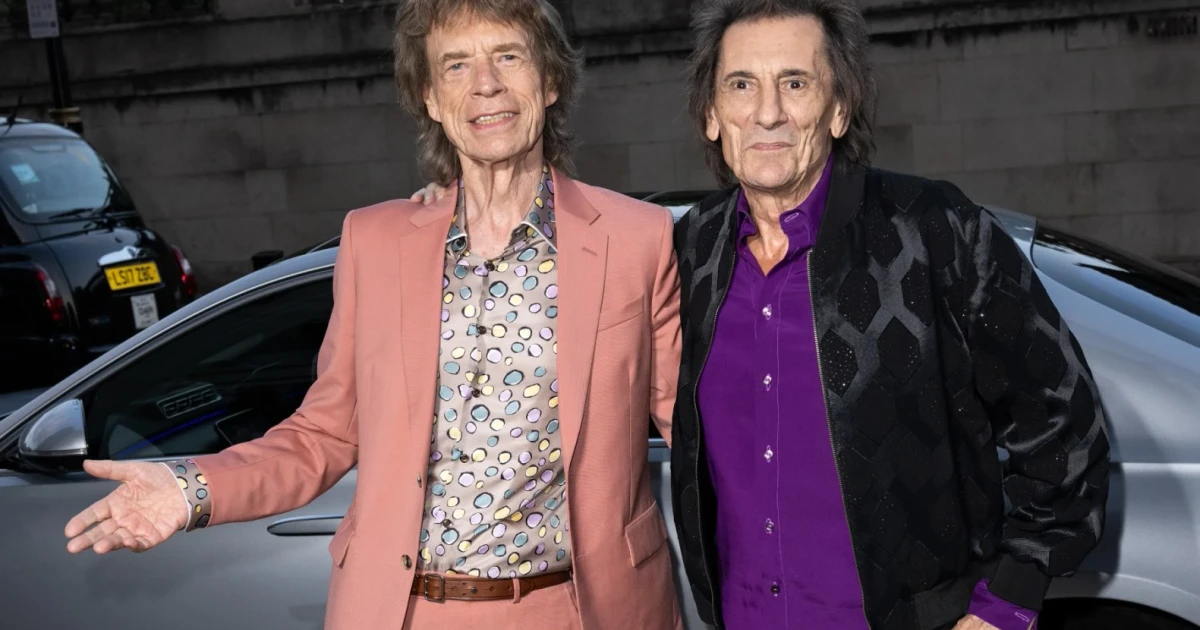
Mick Jagger has spent more than six decades turning performance into identity, and the latest Rolling Stones era puts that split back in focus. At 82, he is still talking about touring, still writing songs and still circling the question of how much of the man behind the swagger the world ever gets to see.
A life built in public
Jagger was born on July 26, 1943, in Dartford, Kent, England, and the Rolling Stones formed in London in 1962. That means nearly his entire adult life has unfolded under a spotlight that never really dimmed, from the band’s early blues roots to its place in rock history. He became the flamboyant lead singer of a group that drew on Chicago blues and built one of the most durable identities in popular music, with Keith Richards alongside him as the band’s other defining force.
That long run matters because Jagger is not just reflecting on age. He is reflecting on what age does to a public self that has been polished, repeated and sold for generations. For a performer whose name has become shorthand for rock-star excess, the deeper story is how thoroughly fame can harden into a second skin, leaving the private self harder to separate from the role.
The album cycle that keeps the Stones moving
The Rolling Stones’ new album, Foreign Tongues, is out now in multiple formats, extending a recording pattern that has become increasingly selective rather than constant. It follows Hackney Diamonds, which was released on October 20, 2023, and marked the band’s first album of fully original material since 2005. That 18-year gap is a reminder of how carefully the Stones now ration new studio work, turning each release into an event rather than a routine product cycle.
Hackney Diamonds also carried another layer of history. It was the first Stones release after Charlie Watts died in 2021, a change that altered the band’s center of gravity even before the new album era began. The record’s arrival showed how the group has kept its catalog alive while also managing the emotional and practical absence of a drummer who had been part of its identity for decades.
Touring as proof of life
Jagger has said the Rolling Stones hope to tour Foreign Tongues, and he has made clear that he is ready to go back on the road, even though no shows have been confirmed yet. For a band like the Stones, touring is more than promotion. It is the live test of whether the brand, the songs and the bodies behind them still hold together in real time.
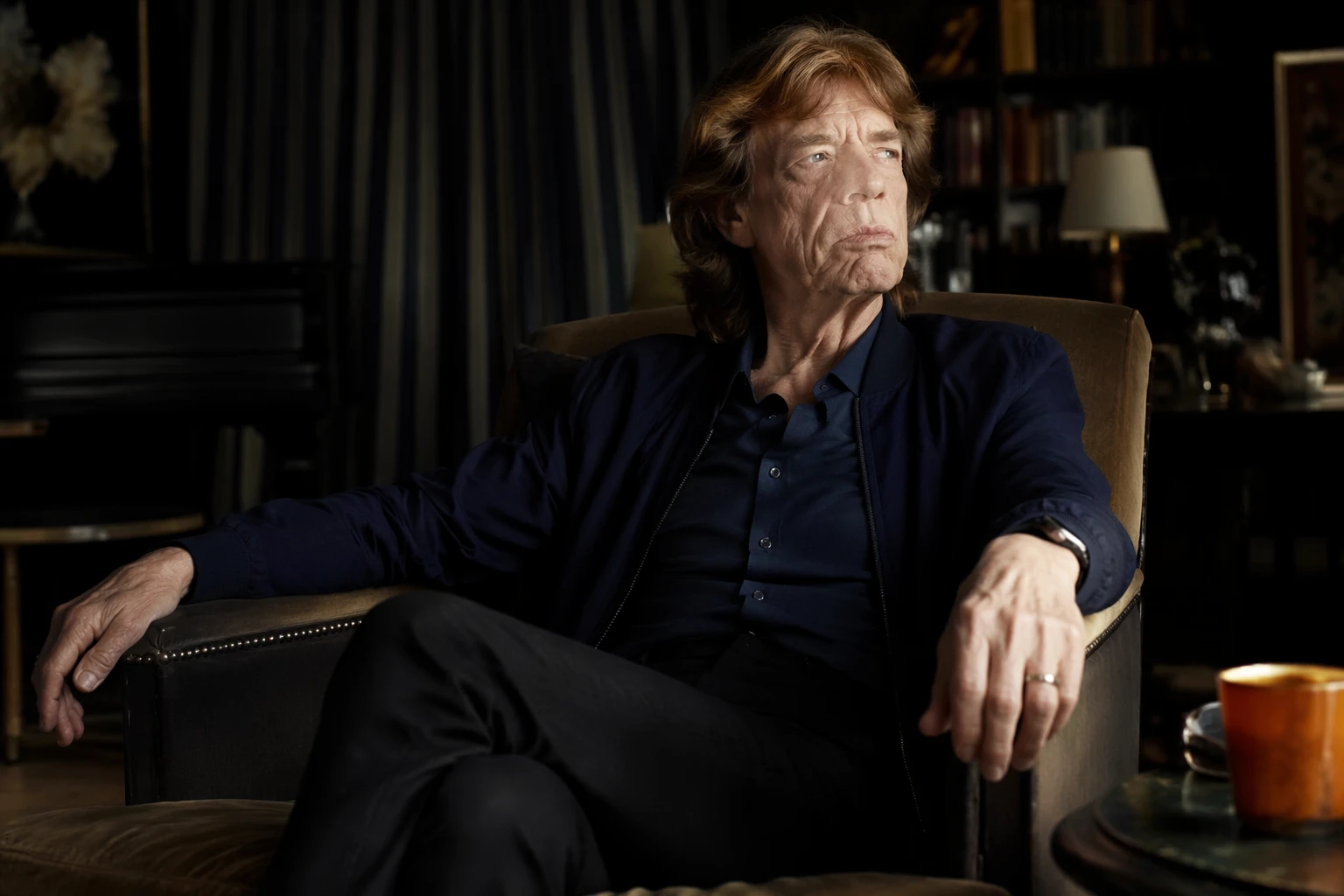
At Jagger’s age, that question has a sharper edge. Touring has always required repetition, stamina and a willingness to perform the same mythology night after night, but the cost of that ritual changes with time. What once read as limitless energy now reads as endurance, and the endurance itself becomes part of the story. The Stones’ continued interest in the road also reflects the economics of legacy acts, where live demand can matter as much as, or more than, studio output.
The gap between image and self
Jagger’s latest comments land because they sound less like a victory lap than a self-audit. He has been speaking openly about fame, aging and the long wear of performance, and those themes point toward a central tension in his career: the world knows the persona, but not necessarily the person. The more fully the public has learned the Jagger silhouette, the more guarded the private center appears to be.
That is why the idea of him as a subject rather than a performer feels especially revealing. In a recent interview, he said a Rolling Stones biopic “interests” him. The word is modest, but the implication is not. A biopic would compress a life that has stretched from postwar England to global superstardom into a single narrative, and Jagger’s interest suggests he is aware of how legacy gets edited once a career reaches this scale.
Already thinking about what comes next
Even with a new album out and a possible tour ahead, Jagger is already writing songs for the next Rolling Stones record. That detail cuts against any reading of Foreign Tongues as a closing chapter. Instead, it places the band in the familiar Stones pattern of moving forward while carrying its own history, with each new project framed by the weight of what came before.
That is what makes Jagger’s late-career reflections feel so pointed. He is not only looking back at the 1962 origins in London, the decades with Keith Richards and the transformation after Charlie Watts’s death. He is also showing how lifelong stardom changes the terms of identity itself. After so many years in motion, the public figure remains easy to recognize, while the private self stays, as ever, partly out of reach.
Sources
- [1]nytimes.com
- [2]britannica.com
- [3]officialcharts.com
- [4]rollingstones.com
- [5]kfgo.com
- [6]nme.com
- [7]wmtram.com